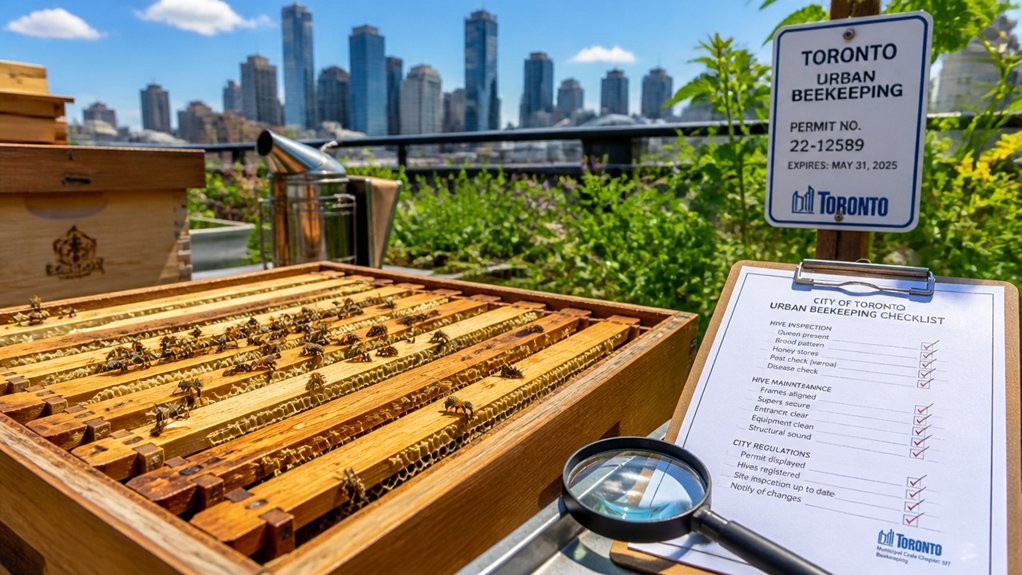
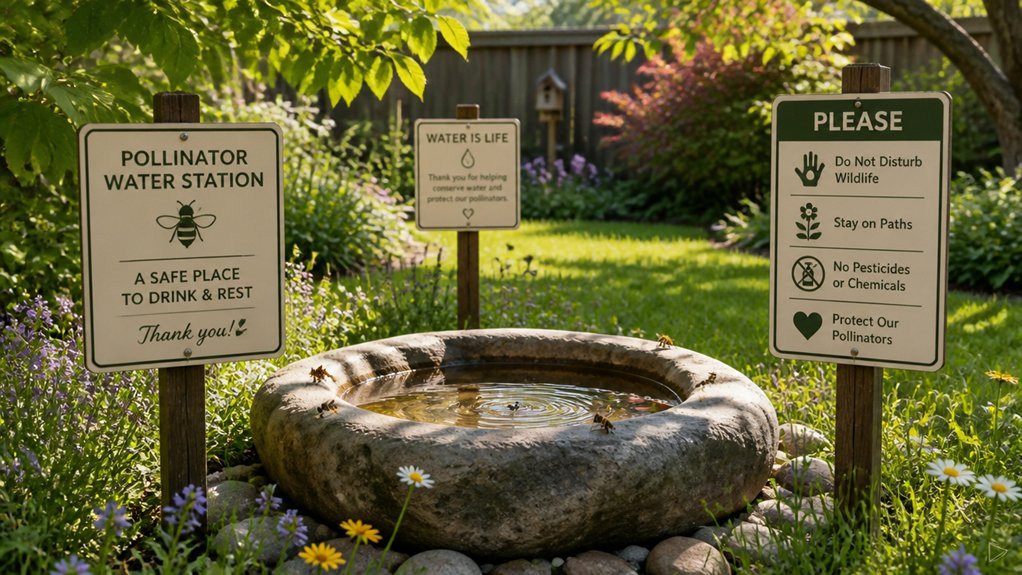
You choose drought-tolerant flowering plants because they help you save water while keeping your garden colorful through hot, dry spells. They also give bees a steady supply of nectar and pollen when other plants struggle, supporting pollination for flowers, herbs, and vegetables. Native, low-water blooms can make your space tougher, easier to maintain, and more resilient in changing weather. If you’re curious, there’s plenty more to uncover about the best plants and care tips.
Why Drought-Tolerant Bee Plants Matter

When drought stretches on, you may notice fewer blooms in the garden, and that can quickly leave bees with too little nectar and pollen to survive. When you choose drought-tolerant bee plants, you help keep food available during hot, dry spells that can otherwise empty the landscape.
You also support pollination in your own yard, which helps vegetables, herbs, and ornamentals set fruit and seed. Because these plants can handle stress better, they often keep flowering longer and need less water from you. That means you can conserve resources while still giving pollinators a reliable stopover.
In a changing climate, your garden can become a steady refuge, and even a small patch can make a real difference for local bee populations all season long. To ensure continuous blooms, selecting native plant species can greatly enhance the resilience and appeal of your bee-friendly garden.
Best Nectar-Rich Plants for Dry Gardens
Some of the best nectar-rich plants for dry gardens are the ones that keep blooming with little help from you, even in lean soil and full sun. You can rely on lavender, catmint, and salvia to draw bees and butterflies while shrugging off drought. Zinnias also earn a spot if you want bright color and a steady nectar source through summer heat. Incorporating native wildflowers can further enhance the resilience and attractiveness of your garden for pollinators. For a softer look, plant yarrow or blanket flower, both of which thrive with minimal watering once established. Give these plants sharp drainage, a sunny site, and occasional deep watering during establishment. After that, you won’t need much fussing.
Best Pollen Plants for Hot, Dry Gardens

If you want to help bees and other pollinators in a hot, dry garden, focus on plants that produce plenty of pollen as well as bloom steadily. You can count on yarrow, blanket flower, lavender, Russian sage, and coreopsis to feed foragers while handling heat with ease. These plants keep their flowers open in tough conditions, so your garden stays useful when watering is limited. Using pollen-rich plants that are also resilient to environmental stresses ensures a healthy supply of nourishment for busy bees.
Drought-Tolerant Blooms by Season
Drought-tolerant blooms can keep your garden colorful from spring through fall when you choose plants that flower in sequence.
In spring, you can start with penstemon, yarrow, or rock cress for early color and quick recovery after dry spells. By summer, switch attention to lantana, salvia, and blanket flower, which handle heat and keep producing if you deadhead spent stems.
For late summer into fall, Russian sage, sedum, and black-eyed Susan extend the show with strong color and little watering. If you group these plants by bloom time, you’ll create steady interest without relying on constant irrigation.
You’ll also reduce bare spots, since one plant fades just as another takes over. That timing makes your garden look intentional and resilient all season long.
Native Flowering Plants for Backyard Bees
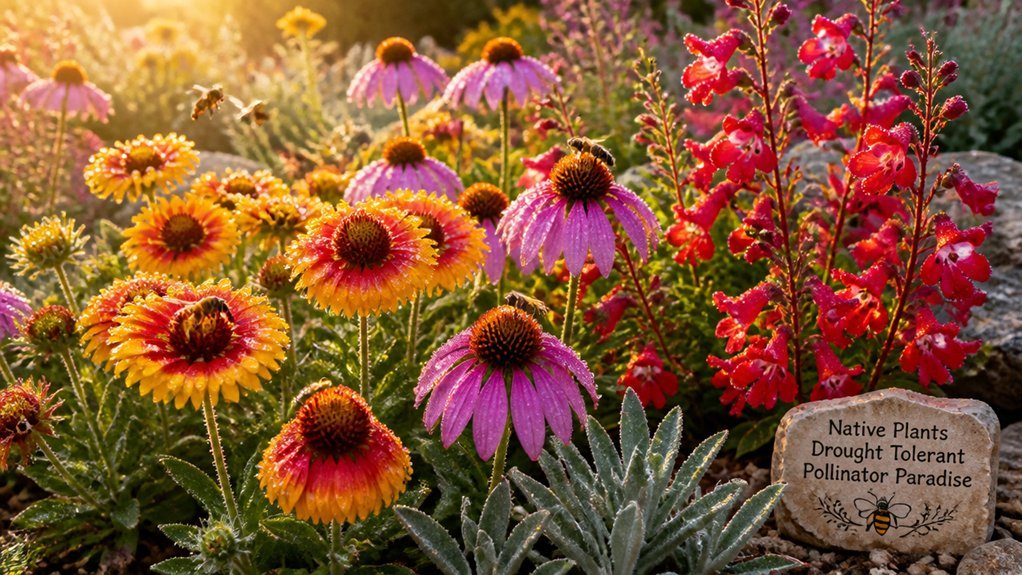
You can support backyard bees by planting native flowers that offer rich nectar they already know how to use.
Choose species with bloom times that stretch across spring, summer, and fall so your garden keeps feeding pollinators longer.
When you group these plants in sunny, low-water beds, you’ll create a bee-friendly habitat that thrives with less irrigation.
Adding plants with high nectar production will further enhance your garden’s attractiveness to pollinators and support their health.
Native Nectar Sources
Native plants often make the best nectar sources for backyard bees because they’re already adapted to your local climate, soil, and rainfall patterns. When you choose them, you give bees familiar flowers with nectar they can reach easily, and you cut down on extra watering and care.
You’ll also support local pollinators that evolved alongside those plants, so your garden works with nature instead of against it. Look for native coneflowers, penstemons, salvias, milkweeds, and goldenrods suited to your region.
In addition, selecting plants with weather-resistant materials ensures your garden remains resilient during drought conditions. Group several of the same species together so bees can forage efficiently, and place them in sunny spots with well-drained soil. By building with natives, you create a tougher, lower-maintenance garden that feeds bees and handles dry spells with less stress.
Bee-Friendly Bloom Times
To keep backyard bees supplied through the whole season, choose native flowers that bloom in waves from early spring through fall. You’ll give bees steady nectar and pollen when you mix species that open at different times, such as spring wildflowers, summer bloomers, and late-season asters.
Plant clusters so bees can forage efficiently, and favor single flowers over doubles, since they’re easier to reach. Deadhead spent blooms only when needed, because some natives set seeds that support future growth.
Watch your yard through the year and note which plants attract the most visitors, then add more of those. With careful timing, you’ll create a reliable buffet that helps local bees stay active, healthy, and well-fed from the first warm days to the last frost.
Incorporating a variety of native plants and understanding their blooming periods can also help prevent poor hive health and support overall colony resilience.
Low-Water Pollinator Habitats
Even in a dry backyard, you can build a bee haven with native flowering plants that handle heat and lean watering without sacrificing nectar. Choose regional species that bloom in sun-baked spots, and you’ll support local bees with less effort and less water.
To enhance your habitat, incorporate scent-based attractants such as natural pheromone blends to draw scout bees effectively to your garden, especially during peak swarm seasons.
Arrange plants in small clusters so pollinators can forage efficiently.
- Pick natives like penstemon, blanketflower, and salvia for steady nectar.
- Mulch lightly to cool soil and hold moisture.
- Water deeply but infrequently to encourage strong roots.
- Leave some bare ground and stems for nesting bees.
You’ll also reduce maintenance, because these plants already fit your climate. With smart placement and seasonal bloom choices, your yard can stay colorful, resilient, and alive with pollinators.
How to Plant Bee Forage in Dry Soil

Start by choosing bee-friendly species that can handle heat and low moisture, like native blooms that thrive in tough conditions.
Prep your dry soil bed by loosening the ground, mixing in compost, and clearing out weeds so roots can spread easily.
After planting, water regularly until the roots set, then taper off so the plants build drought tolerance.
Incorporating native plants helps ensure better adaptation to seasonal stress and ongoing drought conditions.
Choosing Bee-Friendly Species
If your goal is to help pollinators while conserving water, choose drought-tolerant flowers that still produce plenty of nectar and pollen.
You’ll attract more bees when you favor species with simple, open blooms and long flowering periods. Native plants often fit this job best because local bees already know how to use them. Pick varieties that bloom at different times so your garden feeds bees across the season.
- Choose salvias for steady nectar.
- Plant lavender for fragrant forage.
- Add coneflowers for accessible pollen.
- Include yarrow for resilient blooms.
You’ll get better results when you group the same species together, since bees can work each patch efficiently. Keep your choices sun-loving and low-water, and you’ll build a reliable buffet without wasting resources. Using natural materials for your planting areas can also help support local bee populations by providing additional nesting and foraging habitats.
Preparing Dry Soil Beds
Before you plant bee forage in dry soil, loosen the bed and work in compost to improve water retention without overfeeding the plants.
Break up compacted ground with a spade or fork, then remove stones, roots, and weeds that compete for moisture. Shape the bed so it drains well, since soggy pockets can stress drought-tolerant flowers.
Mix in a thin layer of compost or leaf mold to improve texture and help roots spread. If your soil is sandy, add more organic matter; if it’s heavy clay, raise the bed slightly and blend in grit.
Rake the surface smooth, leaving fine soil for seed contact or planting holes. Keep spacing generous so each plant gets enough room to establish strong roots and access limited moisture.
For added resilience, consider applying a natural, food-safe soil conditioner designed for drought-tolerant plants, which can further enhance moisture retention.
Watering Until Roots Set
Once your bee forage is in the ground, water it deeply and steadily until the roots take hold. You want moisture to reach below the surface, not just dampen the top layer. Check the soil with your finger; if it feels dry two inches down, water again.
Use a slow soak so roots grow downward instead of staying shallow.
- Water early in the morning to reduce evaporation.
- Keep mulch around plants, but don’t let it touch stems.
- Space watering sessions based on heat, wind, and soil type.
- Ease off once new growth looks healthy and the plant resists a gentle tug.
After establishment, drought-tolerant blooms need less attention, but that first stretch matters most for survival and strong flowering.
How to Water Bee Plants in Dry Weather

When dry weather lingers, water bee plants deeply and less often so the moisture reaches their roots without encouraging shallow growth. You should soak the soil slowly until it’s moist 6 to 8 inches down, then let the top layer dry before watering again.
Aim the water at the base of each plant, not over the blooms, so you don’t waste moisture or knock nectar from the flowers. Water early in the morning to reduce evaporation and give foliage time to dry.
If your soil drains fast, check it more often; if it holds moisture, wait longer between soakings. A mulch layer can help you conserve water, but keep it away from stems so the roots breathe and your bee plants stay healthy through heat.
Low-Water Care for Bee-Friendly Gardens
Low-water care keeps bee-friendly gardens thriving by matching your watering, soil, and mulch habits to dry conditions. You can support blooms and pollinators with simple routines that save moisture and still keep plants vigorous.
- Water deeply, but only when the top few inches of soil feel dry.
- Mulch around stems with bark, straw, or leaf mold to slow evaporation.
- Group plants with similar water needs so you can manage beds efficiently.
- Choose compost-rich soil that holds moisture while draining well.
You’ll notice stronger roots, longer flowering, and more bee visits when you avoid frequent shallow watering. Check containers and new plantings more often, since they dry faster.
With steady attention, your garden can stay colorful, resilient, and welcoming through hot spells.
Common Mistakes With Dry-Climate Bee Plants
Even drought-tolerant bee plants can struggle if you treat them like desert cacti or lush garden annuals. You might overwater them, which weakens roots and cuts nectar production. You could also plant them in rich, soggy soil, inviting rot instead of strong growth.
Don’t crowd them, because poor airflow and competition reduce blooms and make bees skip your garden. Skipping mulch is another mistake; a thin layer helps hold moisture and cool roots without smothering stems.
You should deadhead spent flowers to extend blooming, but avoid cutting too hard or you’ll remove food sources. Finally, choose species suited to your heat, sun, and rainfall patterns.
When you match plants to site conditions, you’ll get healthier flowers and far more bee activity.
Frequently Asked Questions
Which Drought-Tolerant Flowers Attract Butterflies Too?
You can plant lantana, coneflower, blanket flower, salvia, and butterfly weed; they’re drought-tolerant and rich in nectar. You’ll draw butterflies while using less water, and you’ll enjoy colorful blooms all season.
Are Drought-Tolerant Flowering Plants Safe for Pets?
Yes, you can choose pet-safe drought-tolerant flowering plants, but you’ll need to check each species first. You should avoid toxic options like oleander, lantana, and foxglove, and stick with marigolds, roses, or snapdragons.
Can Containers Support Drought-Tolerant Flowering Plants?
Yes, you can grow them in containers if you choose a well-draining pot, use gritty soil, and water sparingly. You’ll need to monitor moisture closely, since containers dry out faster than garden beds.
Do Drought-Tolerant Blooms Need Deadheading?
Yes, many drought-tolerant blooms benefit from deadheading because you’ll encourage more flowers and keep them tidy. You won’t need to deadhead every type, though; some self-cleaning varieties keep blooming without much help.
How Do Drought-Tolerant Flowers Affect Soil Health?
You improve soil health by choosing drought-tolerant flowers because they need less water, reduce erosion, and support beneficial microbes. Their roots often loosen soil, add organic matter, and help your garden retain moisture naturally.
In Summary
Choosing drought-tolerant flowering plants helps you support bees without wasting water. You’ll create a resilient garden that keeps blooming through heat, dry spells, and tough soil conditions. By planting nectar- and pollen-rich native flowers, you give pollinators a reliable food source while saving time, money, and resources. With the right care, your low-water garden can stay healthy, colorful, and full of life all season long.