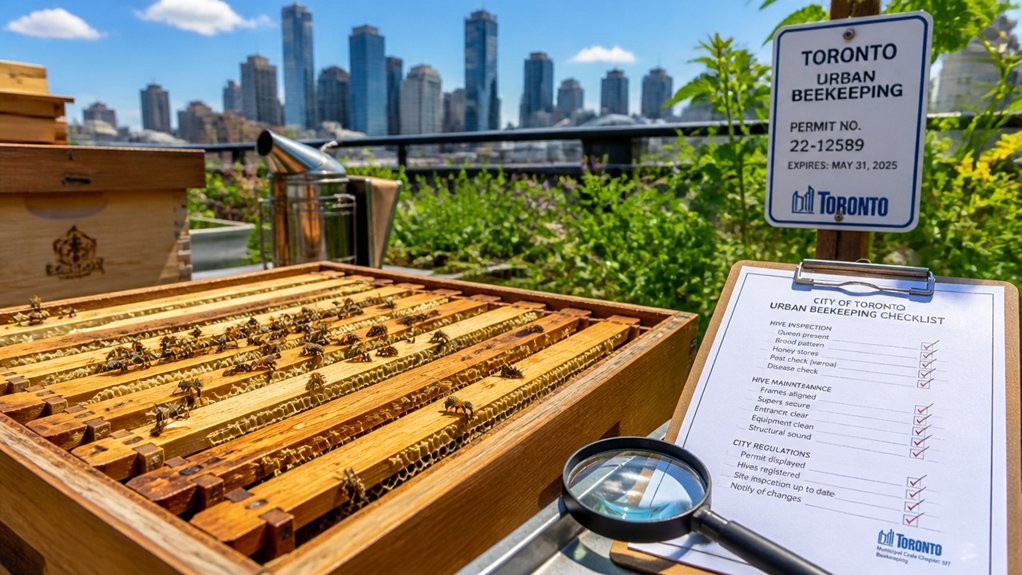
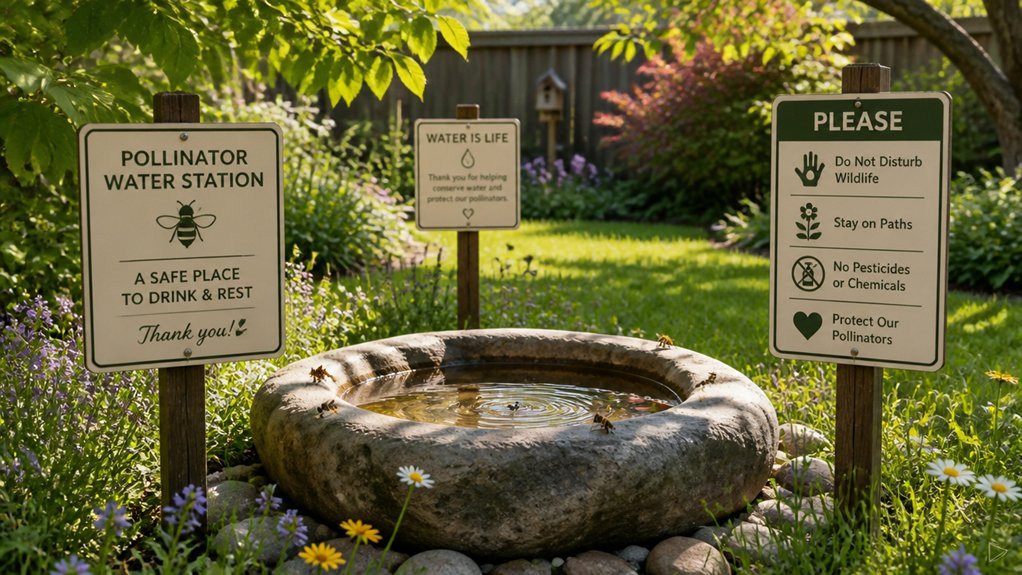
The best forage plants for bees are nectar- and pollen-rich blooms that flower in waves, like clover, lavender, bee balm, borage, catmint, asters, goldenrod, and sunflowers. You’ll get the best results by planting native species, grouping the same plants together, and mixing early, mid, and late bloomers for nonstop food. Add quick annuals such as buckwheat and cosmos, and avoid pesticide-treated or toxic plants. Keep going, and you’ll see which plants fit your space best.
What Makes a Plant Good for Bees?

A plant is good for bees when it gives them plenty of nectar and pollen, blooms for a long time, and is easy for them to reach. You should look for flowers with open shapes, shallow tubes, or wide landing pads so bees can land and feed quickly.
Choose plants that bloom in different seasons, because bees need food from spring through fall. Native plants often work well since local bees know how to use them. Avoid heavily treated plants, because pesticides can harm bees even when the flowers look inviting.
You’ll also help bees by planting in groups, which makes foraging more efficient. When you mix species with steady bloom times, you create a reliable food source that supports healthy pollinators. Additionally, selecting nectar-rich wildflowers ensures that bees receive the energy they need to thrive throughout the season.
Best Bee Forage Plants for Nectar
For nectar, you want plants that produce abundant, easy-to-access flowers so bees can feed quickly and efficiently. Plant lavender, clover, and bee balm to give your bees rich nectar from spring through summer. You’ll also boost your yard’s appeal with colorful blooms that invite steady foraging. Incorporating pollinator-friendly varieties ensures your garden supports diverse bee species and enhances overall biodiversity. You can add thyme, borage, and catmint for even more nectar diversity. Choose sunny spots, group plants in clumps, and stagger bloom times so your bees always have something to sip.
Plant lavender, clover, and bee balm for abundant nectar and easy, efficient foraging all season long.
This keeps foraging simple and productive.
Top Pollen Sources for Backyard Hives

When you choose pollen-rich plants for your backyard hive, start with spring blooms that help bees build strong colonies early.
Add summer nectar plants that keep pollen flowing through the busiest part of the season.
Finish with late-season flowers so your bees still have food as temperatures cool.
Incorporating a diverse wildflower seed mix that provides continuous blooms can significantly support pollinator health throughout the growing season.
Spring Blooms
Spring blooms can give your backyard hives an early surge of protein-rich pollen, helping colonies build brood and recover after winter. You’ll notice bees working these plants as soon as temperatures rise, and you can support them by planting early bloomers in sunny spots.
Choose species that flower before the main nectar flow so your hive gets steady pollen when stores run low. High-quality pollen substitutes can supplement natural sources during dearth periods, ensuring your colonies receive essential nutrients to thrive.
- Willow offers abundant, easy-access pollen for strong spring buildup.
- Maple trees bloom early and supply reliable pollen on cool days.
- Crocus and dandelion give bees quick, nearby foraging options.
Mixing several spring bloomers helps you stretch the pollen window and reduce gaps in forage. When you plan for early season color, you’re also planning for healthier brood patterns and stronger colonies later.
Summer Nectar Plants
As spring bloomers fade, summer nectar plants keep your hives busy and well fed through the heat of the season. You can rely on clover, basswood, borage, and sunflowers to supply steady nectar and pollen when colonies need the most support. Plant them in sunny beds, borders, or open patches near your hives, and you’ll boost forage without much fuss.
Choose a mix of shapes and bloom times so your bees can work efficiently all day. Water young plants well, then let them settle into a routine of strong, repeated flowering. Avoid pesticides, mow less often, and deadhead spent blooms when needed.
With these choices, you’ll give your bees rich summer forage and help them build healthy brood for the weeks ahead.
Late-Season Flowers
Late-season flowers give your hives a final flush of pollen and nectar before winter sets in. You can help bees build stores by planting asters, goldenrod, and sedum, which bloom when many other sources fade.
These hardy plants keep foragers busy and support brood rearing as temperatures drop. Choose a mix of heights and bloom times so your yard offers steady forage through fall. Avoid overmulching nearby beds, and leave some stems standing for shelter and landing spots.
- Asters: rich pollen, reliable late blooms
- Goldenrod: abundant nectar and strong forage
- Sedum: drought-tough flowers that attract bees
If you add these plants now, you’ll extend the season and give your colony a stronger start for winter. Irradiated natural pollen is a safe way to provide complete nutrition and promote colony health during the critical late season.
Early-Spring Bee Forage Plants

When chilly weather finally starts to break, early-blooming plants can give bees their first reliable food source after winter. You can help by planting crocus, snowdrops, and winter aconite, which open before many other flowers.
Willows also matter, because their catkins supply both nectar and pollen when colonies need it most. Dandelions may seem ordinary, but they offer an important early boost, especially in sunny areas. You should also consider fruit trees like plum, cherry, and apple, since their blossoms feed bees while you enjoy spring bloom.
Choose a mix of sun and shade sites so flowers open over a longer period. Keep the ground free of pesticides, and let some weeds bloom. That way, you’ll support stronger, healthier bees right from the start. Proper beehive maintenance and choosing bee-safe plants further enhance the health of your colonies.
Summer Bee Forage Plants for Honey Flow
Once spring blooms fade, summer flowers keep the honey flow going and give bees the steady forage they need to build stores. You can boost nectar intake by planting clover, linden, and borage, which all bloom generously in warm weather.
Sunflowers also help, especially when you want strong pollen and bright, easy-to-find blooms. Let your bees work patches of mint, basil, and cosmos too; they attract foragers and support daily colony growth.
Choose plants that bloom in waves so you don’t leave gaps in forage. Group them in sunny beds, and water them during dry spells to keep nectar production strong.
- Clover fuels long visits
- Linden adds rich nectar
- Sunflowers draw busy foragers
Fall Bee Forage Plants for Late Season

As summer fades, you can keep your bees well fed with fall bloomers like asters and goldenrod. These plants offer rich nectar and pollen when many other sources run low. A water source is also beneficial during this time to support hydration. You can also plant late-blooming sedums to extend forage into the season’s final weeks.
Asters And Goldenrod
Asters and goldenrod keep your forage calendar alive when summer blooms fade, offering bees an essential late-season source of nectar and pollen. You’ll give pollinators a strong finish to the year by planting these hardy perennials in sunny, well-drained spots.
Their blooms arrive just when colonies need extra fuel for winter preparation, and you’ll see honey bees, native bees, and butterflies working the flowers hard.
- Choose a mix of early and late asters to stretch bloom time.
- Plant goldenrod where it won’t crowd slower growers.
- Leave some stems standing so bees can keep feeding.
You’ll also support biodiversity with minimal effort, since both plants are tough, adaptable, and reliable. Effective forage plantings help ensure a steady supply of vital resources for pollinators late in the season.
Late Blooming Sedums
When asters and goldenrod start to fade, late-blooming sedums pick up the slack and keep bees supplied with nectar through fall. You can rely on these sturdy succulents to bloom when many other plants have quit, and that timing makes them valuable forage.
Plant varieties like ‘Autumn Joy’ in full sun and well-drained soil, and you’ll give bees a rich landing pad packed with nectar and pollen. Their flat flower clusters make feeding easy for honeybees and native bees alike.
You don’t need much maintenance, either; sedums handle drought well and stay attractive after blooming. If you want to extend your forage season, add several clumps so bees can move from one patch to the next and keep foraging longer.
Native Bee Plants by Region
Native bee plants vary by region, so the best forage choices depend on your local climate, native soil, and bloom timing. You’ll support more bees when you match plants to your ecoregion instead of chasing generic garden picks. Incorporating seasonal management practices can help ensure continuous bloom availability throughout the year.
Native bee plants vary by region, so choose forage that fits your local climate, soil, and bloom timing.
In dry western areas, you can lean on manzanita, buckwheat, and penstemon. In the Midwest, bee balm, goldenrod, and aster-rich prairie mixes work well. In the Southeast, you’ll get strong results from native blueberry, mountain mint, and ironweed. Regional natives usually need less water, fewer inputs, and they feed local bee species more reliably.
- Choose plants that bloom in your season gaps.
- Group several of the same species together.
- Check local native plant lists before you buy.
Flowering Herbs Bees Love

You can attract more bees by planting nectar-rich herbs like lavender, thyme, and oregano. These bee-friendly herbs give you reliable blooms and plenty of forage for pollinators. A diverse plant selection with seasonal timing ensures continuous food supply for bees throughout the year. If you choose varieties that flower at different times, you’ll keep your garden feeding bees all season long.
Nectar-Rich Herb Blooms
A patch of flowering herbs can turn a simple garden into a buzzing buffet for bees. When you let herbs bloom, you give pollinators easy access to nectar in small, fragrant clusters.
You’ll see bees land, feed, and move quickly from flower to flower, which helps your garden stay lively and productive. These blooms also fit well in borders, raised beds, and pots, so you can work them into almost any space.
- Leave a few stems uncut so blossoms can open fully.
- Group herbs together to create a stronger nectar signal.
- Water evenly so flowers last longer in warm weather.
Top Bee-Friendly Herbs
Basil, thyme, oregano, mint, and rosemary are some of the best bee-friendly herbs to grow, especially when you let them flower. You’ll attract foragers with their tiny blooms and easy access to nectar and pollen.
Plant them in sunny spots with well-drained soil, and let a few stems bolt instead of cutting everything back. Bees love the simple, open flowers because they can land quickly and feed efficiently.
You’ll also benefit from fresh herbs for your kitchen, so the patch works hard for you and your pollinators. Trim plants lightly after flowering to keep them healthy, then allow new growth to bloom again.
Mixing several herbs together helps create a small, reliable buffet that supports bees right in your yard.
Season-Long Flowering Herbs
For a steady supply of nectar, grow herbs that bloom in waves from spring through fall, such as chives, borage, dill, cilantro, and lemon balm. You’ll give bees food across the whole season while adding fresh harvests to your kitchen.
Plant these herbs in full sun, water them well at first, and let some flowers set seed so blooms keep returning. You can trim stems lightly to encourage more blossoms without stripping every flower.
- Chives open early pink-purple clusters bees find fast.
- Borage produces blue stars rich in nectar.
- Dill and cilantro attract pollinators with airy umbels.
Leave a few plants to bolt, and you’ll create a reliable forage patch that supports bees from spring’s first warm days through fall’s final bloom.
Shrubs That Feed Backyard Bees
When you want to support backyard bees with plants that do more than just bloom briefly, shrubs can provide a steady mix of nectar and pollen through the season. You can plant compact varieties near walkways, borders, or patios to make forage easy to reach. Choose species with clustered flowers and staggered bloom times so bees always have something available. Avoid heavy pruning during flowering, and let some stems grow naturally.
| Shrub | Bloom | Bee benefit |
|---|---|---|
| Blueberry | Spring | Nectar-rich flowers |
| Cotoneaster | Spring | Pollen and nectar |
| Heather | Late season | Reliable forage |
If you mix these shrubs with sunny sites and minimal pesticides, you’ll give bees a dependable food source while adding structure, color, and habitat to your yard.
Trees That Support Bee Forage
Trees take that same idea a step higher, giving bees forage on a larger scale with blooms that can support whole colonies. When you plant the right trees, you give your bees a steady flow of nectar and pollen across a wide canopy. Choose species that bloom at different times so you extend forage through the season and reduce stress on your hive.
Trees offer bees a larger-scale feast, with blooms that support whole colonies through the season.
- Willows offer early pollen when colonies wake up hungry.
- Maples add an important spring nectar source.
- Linden trees can pour out fragrant blossoms that bees work hard.
You’ll also help by placing trees where they get full sun and enough room to mature. With patient planning, you create lasting forage that keeps bees active, fed, and productive year after year.
Best Annuals for Quick Bee Forage
If you need quick bee forage, you can plant fast-blooming annuals that fill the gap with color and pollen in just a few weeks.
Sunflowers, zinnias, buckwheat, and cosmos also give bees plenty of nectar through summer. To keep blooms coming, you can sow new batches every couple of weeks and extend the forage season.
Fast Blooming Annuals
Fast-blooming annuals can fill a nectar gap quickly, giving bees food in just a few weeks instead of months. You can sow them directly after frost, and they’ll start working fast.
Choose easy, open-flowering plants that bees can reach without effort, and keep blooms coming by reseeding in batches. These annuals fit borders, beds, and spare patches, so you can boost forage without major planning. Water them well at first, then let them grow with minimal fuss.
- Borage brings starry blue flowers bees love.
- Calendula offers steady color and simple access.
- Phacelia creates dense bloom that attracts many pollinators.
If you want quick results, mix several types. You’ll extend bloom time, diversify nectar, and give your bees a reliable stopover while longer-season crops establish.
Nectar-Rich Summer Crops
Once your quick annuals are in place, you can keep the bee buffet going with summer crops that pour on nectar during the hottest part of the season. You can sow buckwheat, sunflower, borage, and phacelia to give bees rich, reliable forage when many plants slow down.
Buckwheat opens tiny white blooms fast and feeds pollinators heavily before it matures. Sunflowers offer broad landing pads and a steady pollen-and-nectar payoff. Borage keeps blooming for weeks with starry blue flowers bees can’t resist. Phacelia grows quickly, blankets the bed with lavender blooms, and stays attractive through heat.
If you give these crops sun, water, and space, they’ll bridge the summer gap and keep your garden buzzing with activity.
Succession Sowing Tips
To keep nectar and pollen flowing, sow small batches of quick annuals every couple of weeks instead of planting them all at once. This staggered approach gives you fresh blooms for longer and helps bees find food when other flowers fade.
Choose fast, bee-friendly annuals like buckwheat, phacelia, and borage, then replant bare spots as soon as you harvest or thin them.
- Sow in short intervals for nonstop bloom.
- Mix sunny, well-drained patches with regular watering.
- Deadhead spent flowers to push new nectar.
You’ll also reduce gaps in forage by pairing early and late varieties. Keep notes on germination and flowering times, so you can adjust your schedule next season.
Small, steady sowings make your garden more reliable for pollinators and easier for you to manage.
Perennials That Return Every Season
Perennials give you a reliable forage base because they come back year after year with little replanting. You save time, protect soil, and keep animals or pollinators fed with steady growth. Choose deep-rooted options like clover, chicory, alfalfa, and comfrey, then let them establish before grazing or cutting hard. These plants often handle drought better than annuals and improve your site over time.
| Plant | Strength | Best Use |
|---|---|---|
| Clover | Nitrogen fixer | Pasture mix |
| Chicory | Tolerates pressure | Grazing |
| Alfalfa | High protein | Hay |
| Comfrey | Fast regrowth | Cut-and-carry |
Stagger Bloom Times for Bees
If you want strong bee activity through the whole season, plan forage so something is blooming at every stage. You can layer early, mid, and late flowers to keep nectar and pollen available when colonies need it most.
Start with spring bloomers, then add summer performers, and finish with late-season plants that bridge the gap before frost. This rhythm helps bees build brood, store food, and stay active longer.
- Choose species with different bloom windows.
- Mix annuals and perennials for continuity.
- Deadhead spent flowers to extend bloom.
You’ll get better pollination, steadier hive traffic, and a healthier landscape when you think in sequences instead of one-time displays.
Plants to Avoid Near Hives
Not every plant belongs beside a hive, even if it blooms well. You should avoid invasive weeds, toxic ornamentals, and aggressive pollen sources that can confuse or harm your bees.
Oleander, foxglove, and lily-of-the-valley can poison foragers if they sample them, while some chemically treated lawns expose bees to residues.
You’ll also want to keep highly invasive plants like kudzu or thistle patches away from flight paths, since they can crowd out better forage. Strongly scented ornamentals may attract bees briefly, but they often offer poor nectar value and waste their effort.
Instead, choose safe, nectar-rich blooms and monitor every plant you add. If you’re unsure about a species, check local extension advice before placing it near your hives.
Frequently Asked Questions
How Do Weather Conditions Affect Bee Foraging?
Weather shapes your bees’ foraging: warm, calm, sunny days boost flights, while rain, wind, cold, or extreme heat reduce activity, shorten trips, and cut nectar and pollen collection, so colonies gather less.
Should I Plant Forage Flowers in Containers?
Yes, you should plant forage flowers in containers if you’ve got limited space. You’ll control soil, water, and sunlight, and bees can still visit them. Choose compact, nectar-rich varieties and keep containers well-drained.
How Much Forage Area Do Bees Need Nearby?
You’ll want forage within about 500 meters, though bees can fly farther. If you’ve got diverse blooms nearby, they’ll thrive better; otherwise, add flowering plants, shrubs, and trees to boost nectar and pollen.
Can Bees Forage on Plants in Full Shade?
Yes, you can keep bees foraging in full shade, but they’ll usually visit less often because blooms produce less nectar there. You’ll get better results with partial sun, where plants flower more abundantly and attractively.
Do Bees Prefer Single or Double Flowers?
You’ll usually find bees prefer single flowers because they expose pollen and nectar more easily. Double flowers often hide rewards behind extra petals, so you may see fewer visits and less efficient foraging overall.
In Summary
Now that you’ve explored the best forage plants, you can plan a bee-friendly garden that keeps your hives fed through every season. Focus on a mix of nectar and pollen plants, then add early-spring bloomers, summer favorites, annuals, and dependable perennials. If you stagger bloom times, you’ll help your bees find food longer and support stronger colonies. Just remember to avoid harmful plants near your hives, and you’ll give your bees the best chance to thrive.