

If you’re planting for honey bees in 2026, the right wildflower mix can make a real difference in bloom timing, forage quality, and colony support. You’ll want seeds that offer steady nectar and pollen, but not every blend delivers the same results. Some mixes stand out for diversity, while others focus on perennial coverage or bulk value. Here’s how the top seven compare, and which ones may fit your site best.
| Eden Brothers The Bees Knees Pollinator Wildflower Seed Mix 1/4 lb |  | Best For Pollinators | Seed Type: Annual/perennial mix | Pollinator Focus: Bees, butterflies, hummingbirds | Variety Count: 12+ species | CHECK ON AMAZON | Read Our Analysis |
| Eden Brothers All Perennial Wildflower Mixed Seeds for Planting 1 lb |  | Best Perennials | Seed Type: Perennial mix | Pollinator Focus: Bees, butterflies, hummingbirds | Variety Count: 19 species | CHECK ON AMAZON | Read Our Analysis |
| Groundio Wildflower Seeds Bulk 26-Variety Mix |  | Best Bulk Mix | Seed Type: Annual/perennial mix | Pollinator Focus: Bees, butterflies, ladybugs | Variety Count: 26 varieties | CHECK ON AMAZON | Read Our Analysis |
| NatureZ Edge Wildflower Seeds 35 Variety Bulk Mix |  | Most Varieties | Seed Type: Annual/perennial mix | Pollinator Focus: Butterflies, hummingbirds, bees | Variety Count: 35 varieties | CHECK ON AMAZON | Read Our Analysis |
| Earth Science Perennial Wildflower Mix (6 lb) |  | Best Soil Boosting | Seed Type: Perennial mix | Pollinator Focus: Bees, butterflies, hummingbirds | Variety Count: 5+ species | CHECK ON AMAZON | Read Our Analysis |
| Bulk Wildflower Seed Shaker Mix by Geva Grow | 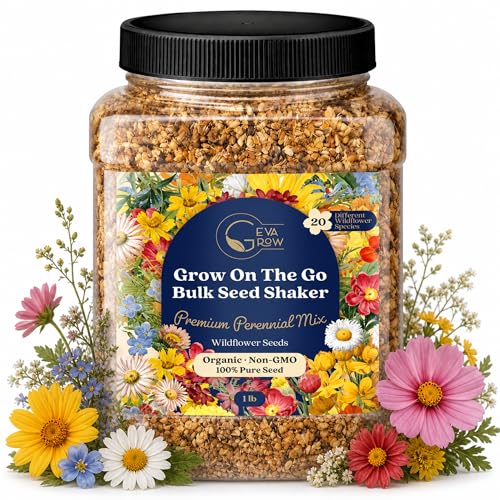 | Best Seed Shaker | Seed Type: Perennial mix | Pollinator Focus: Pollinators, biodiversity | Variety Count: 20 varieties | CHECK ON AMAZON | Read Our Analysis |
| Mountain Valley Seed Co Save the Bees Wildflower Seed Shaker – ~100,000+ |  | Best For Bees | Seed Type: Annual/perennial mix | Pollinator Focus: Bees, nectar/pollen support | Variety Count: 19 varieties | CHECK ON AMAZON | Read Our Analysis |
More Details on Our Top Picks
Eden Brothers The Bees Knees Pollinator Wildflower Seed Mix 1/4 lb
If you want a pollinator-packed wildflower patch, Eden Brothers’ Bees Knees mix fits the bill. You get an heirloom, non-GMO blend of annuals and perennials that blooms from late spring through frost. It draws bees, butterflies, hummingbirds, and migrating monarchs with nectar-rich flowers like coneflower, coreopsis, phacelia, and asters. You can sow it in full sun after frost or before fall frost, and it works in raised beds, meadow strips, or disturbed soil. The 1/4-pound pack covers up to 1,100 square feet, and Eden Brothers tests and packs it in the USA.
- Seed Type:Annual/perennial mix
- Pollinator Focus:Bees, butterflies, hummingbirds
- Variety Count:12+ species
- Coverage:Up to 1,100 sq ft
- Sun Requirement:Full sun
- Packaging:1/4 lb bag
- Additional Feature:Heirloom non-GMO blend
- Additional Feature:Annuals and perennials
- Additional Feature:Monarch waystation friendly
Eden Brothers All Perennial Wildflower Mixed Seeds for Planting 1 lb
Eden Brothers’ 1-lb perennial mix suits you if you want a long-lasting pollinator patch. You get 100% pure, non-GMO seeds with no fillers and 19 easy-to-grow perennials, including purple coneflower, black eyed Susan, blanket flower, and lupine. Plant them in full sun across USDA zones 3-10, and you can cover up to 4,500 square feet. The mix germinates well when you follow instructions, resists animals, and needs little care. Bees, butterflies, and hummingbirds will visit the mixed blooms from summer through fall, helping your garden stay lively and eco-friendly.
- Seed Type:Perennial mix
- Pollinator Focus:Bees, butterflies, hummingbirds
- Variety Count:19 species
- Coverage:Up to 4,500 sq ft
- Sun Requirement:Full sun
- Packaging:1 lb bag
- Additional Feature:19 perennial species
- Additional Feature:USDA zones 3-10
- Additional Feature:Animal resistant varieties
Groundio Wildflower Seeds Bulk 26-Variety Mix
Groundio’s 26-variety mix suits you if you need a best bulk mix for covering large pollinator beds fast. You get over 200,000 seeds with 26 annual and perennial varieties, including zinnia, milkweed, and butterflyweed. You can plant in spring or fall, and one pack covers about 681 square feet. The 99% pure live seed contains no filler, and tested germination helps you sprout quickly in 5-10 days. Flowers bloom in 35-75 days, reaching 12-59 inches. Bees, butterflies, bumblebees, and ladybugs all benefit, and resealable waterproof packs keep seeds fresh.
- Seed Type:Annual/perennial mix
- Pollinator Focus:Bees, butterflies, ladybugs
- Variety Count:26 varieties
- Coverage:About 681 sq ft
- Sun Requirement:Spring/fall planting
- Packaging:Resealable foil pack
- Additional Feature:99% pure live seed
- Additional Feature:5-10 day germination
- Additional Feature:Resealable foil packs
NatureZ Edge Wildflower Seeds 35 Variety Bulk Mix
NatureZ Edge suits you best if you want the most varieties in one bee-friendly seed mix. You get 1/2 lb of pure Non-GMO seeds, about 340,000 in all, with 35 annual and perennial wildflowers for rich, varied forage. Mix it with filler as directed, and you can cover up to 1,500 square feet. It works in all growing zones and draws bees, butterflies, and hummingbirds. Hand-packaged by a family-owned business, it’s a thoughtful gift and a smart pick for your outdoor garden.
- Seed Type:Annual/perennial mix
- Pollinator Focus:Butterflies, hummingbirds, bees
- Variety Count:35 varieties
- Coverage:Up to 1,500 sq ft
- Sun Requirement:All zones
- Packaging:1/2 lb bag
- Additional Feature:340,000 seeds included
- Additional Feature:Family-owned small business
- Additional Feature:All growing zones
Earth Science Perennial Wildflower Mix (6 lb)
Earth Science Wildflower Mix boosts soil while giving you long-lasting blooms for honey bees. You get an all-in-one blend of non-GMO perennial seeds, mulch, plant food, and soil conditioners, so you can sow it directly from the pouch. It includes Siberian wildflower, coreopsis, columbine, purple coneflower, and black-eyed Susan for season-long color. Water Right Crystals show you when to water, and 6 pounds covers about 1,000 square feet. With organic, pesticide-free ingredients, you can garden safely around pets and people.
- Seed Type:Perennial mix
- Pollinator Focus:Bees, butterflies, hummingbirds
- Variety Count:5+ species
- Coverage:About 1,000 sq ft
- Sun Requirement:6-8 hours sun
- Packaging:6 lb pouch
- Additional Feature:Water Right Crystals
- Additional Feature:Mulch and soil conditioners
- Additional Feature:Safe for people/pets
Bulk Wildflower Seed Shaker Mix by Geva Grow
Geva Grow’s Bulk Wildflower Seed Shaker suits gardeners who want an easy, pollinator-friendly sowing method. You get over 900,000 non-GMO seeds in a 1-pound tub, with 20 perennial varieties like sunflowers, callistephus, and daisies. Shake the tub to spread seed quickly across beds, borders, or lawn edges. The mix grows best in full sun, at least six hours daily. Don’t expect blooms in year one; these plants build strong roots first. By year three, you’ll see bigger, brighter flowers that return each season, support bees, and cut upkeep.
- Seed Type:Perennial mix
- Pollinator Focus:Pollinators, biodiversity
- Variety Count:20 varieties
- Coverage:Bulk tub
- Sun Requirement:6+ hours sun
- Packaging:1 lb tub
- Additional Feature:Third-year blooming
- Additional Feature:Strong root development
- Additional Feature:Shaker bottle dispersal
Mountain Valley Seed Co Save the Bees Wildflower Seed Shaker – ~100,000+
Mountain Valley Seed Co’s Save the Bees shaker suits you if you want a bee-friendly, low-effort wildflower patch. You get 19 varieties, including Butterfly Milkweed, New England Aster, Coneflower, Lupine, and Phacelia, plus about 100,000 seeds in a 3 oz shaker. It covers roughly 370 square feet and works well in spring or fall. The mix includes perennials, so your patch can return year after year. It’s easy for kids and beginners, and the pure, non-GMO seeds come in 100% compostable packaging. Use it to build lasting pollinator habitat anywhere.
- Seed Type:Annual/perennial mix
- Pollinator Focus:Bees, nectar/pollen support
- Variety Count:19 varieties
- Coverage:About 370 sq ft
- Sun Requirement:Spring/fall sowing
- Packaging:3 oz shaker
- Additional Feature:100% compostable packaging
- Additional Feature:Kid-friendly garden project
- Additional Feature:North America adapted
Factors to Consider When Choosing Wildflower Seeds for Honey Bee Forage
When you choose wildflower seeds for honey bee forage, look for nectar-rich mixes that give bees a strong food source. You’ll also want native species, a long bloom window, and plants matched to your sun and soil conditions. A good balance of annuals and perennials can help keep flowers coming back all season.
Nectar-Rich Bloom Mixes
Nectar-rich bloom mixes give honey bees a steady food source by pairing annual and perennial wildflowers that bloom in succession from spring through fall. When you choose seeds, look for a high share of nectar producers such as coneflower, coreopsis, and phacelia, because they fuel colony growth and help bees stay strong. You’ll also want blooms that last, since nectar availability matters as much as flower count. Plant these mixes in full sun, where brighter light boosts nectar output and flower quality. To keep forage dependable and easy to maintain, favor native or well-adapted species that attract pollinators and perform well over time. With the right blend, you can extend bloom coverage and support bees all season long without gaps.
Native Species Selection
Native wildflower species are often the best starting point for honey bee forage because they’re already adapted to your local climate and soil, which helps them grow well and produce dependable nectar. You’ll also give your bees plants that match their local foraging rhythms, so they can collect nectar and pollen when they need it most. By choosing natives, you support regional biodiversity and protect the flowers local pollinators already prefer. These species often share long-evolved relationships with native bees, so pollination can be more efficient and seed set can improve. Just as importantly, you reduce the risk of introducing invasive plants that can crowd out useful forage and disturb the ecosystem. For strong, bee-friendly results, prioritize species native to your area.
Season-Long Flowering
To keep honey bees fed throughout the season, choose wildflower seeds with a mix of annuals and perennials that bloom at different times. You’ll give your bees a steady supply of nectar and pollen from early spring to late fall when you combine quick-bloom annuals with hardy perennials. Look for seed mixes that stagger flowering dates, so one group starts as another finishes. That overlap reduces forage gaps and helps your colony stay strong during the active season. Species with long bloom periods add even more consistency, keeping flowers open for weeks instead of days. By planning for continuous color and bloom, you create dependable feeding opportunities that support foraging efficiency, brood rearing, and overall hive productivity all season long.
Sun And Soil Needs
Even the best bloom schedule won’t help honey bees if the site can’t support healthy growth, so sunlight and soil should guide your seed choice too. You’ll get the strongest forage when your planting area receives 6-8 hours of direct sun each day, because wildflowers need that energy to bloom heavily. Choose well-drained, fertile soil so roots can establish quickly and plants can keep flowering. If your ground is hard or compacted, loosen it first so water and air can move through it. Add compost or another organic amendment to improve texture and fertility. Keep weeds down before sowing so seedlings don’t lose moisture or nutrients. When you plant in spring or fall, match sowing time to soil warmth and moisture for better germination and stronger growth for bees.
Annual And Perennial Balance
A balanced mix of annual and perennial wildflowers gives honey bees both quick payoff and lasting forage. You’ll get fast nectar and color from annuals in the first growing season, which helps draw bees in early. Perennials take more time to build strong roots, but once they’re established, they come back year after year and keep food available. When you combine both, you support steady nectar and pollen across the season and beyond. That balance matters because bees need reliable forage from spring through fall. Choose blends that lean on nectar-rich species, using annuals for early blooms and perennials for sustained supply. With the right mix, you’re not just feeding bees now—you’re helping create a resilient forage source for years to come.
Seed Purity And Quality
Seed purity and germination quality can make or break your wildflower planting for honey bees. You should choose mixes that approach 100% real seed, because fillers, coatings, and adulterants cut planting value and can introduce unwanted species. Look for products that list tested germination rates, since viable seed gives you the best chance of strong, even sprouting under proper conditions. That helps you establish a dense stand with varied blooms and reliable nectar and pollen over time. Fresh seed matters too, so check harvest dates and pick moisture-resistant, sealed packaging that protects quality during storage. When you focus on purity, viability, and freshness, you’ll spend less on wasted seed and give your wildflower area a far better start for honey bee forage.
Pollinator Habitat Value
After you’ve narrowed your choices to clean, viable seed, the next step is judging how much value those plants will bring to honey bees. You should look for mixes that combine nectar-rich annuals and perennials, because they can feed bees across the whole growing season. Prioritize species with strong nectar and pollen yields so your bees get better nutrition and your colony can grow stronger. A diverse blend also matters, since different bloom times and flower shapes draw more pollinators and keep forage available from late spring through fall. Whenever you can, choose native or well-adapted wildflowers, since they grow more reliably, produce steadier nectar, and support a tougher habitat for your bees year after year.
Frequently Asked Questions
Which Wildflower Seed Mix Blooms Longest for Honey Bees?
You’ll get the longest bloom from a diverse native wildflower mix with annuals, perennials, and staggered bloom times, like clover, coreopsis, coneflower, and asters. You’ll feed bees longer if you deadhead spent flowers.
Are Native Wildflowers Better for Bee Forage Than Nonnative Mixes?
Yes, you’ll usually help bees more with native wildflowers, because they’ve evolved together and often offer better nectar and pollen. Still, you can use well-chosen nonnative mixes if they bloom longer and stay noninvasive.
How Much Area Does One Pound of Wildflower Seeds Cover?
One pound of wildflower seeds usually covers about 500 to 1,000 square feet, depending on seed size and mix. You’ll need more for broadcast spreading and less for dense, small-seeded blends.
Which Wildflowers Produce the Most Nectar for Bees?
You’ll get the most nectar from bee balm, clover, borage, sunflowers, lavender, and phacelia. Plant them in sunny, diverse patches, and you’ll boost bee foraging, flowering longer and producing richer nectar.
Can I Sow Wildflower Seeds in Late Fall for Spring Blooms?
Yes, you can sow wildflower seeds in late fall for spring blooms if your climate stays cold enough to stratify them. You’ll get better germination from dormant seeding, then moisture, sunlight, and protection in spring.



