If you’re looking to collect bee pollen more efficiently in 2026, the right trap can make a noticeable difference in both yield and colony health. You’ll want a model that balances airflow, durability, and easy cleanup, but not every design handles those demands the same way. Some fit 10-frame hives better, while others are built for smaller setups. A few stand out for reasons that aren’t obvious at first.
| Apimaye Premium Screened Bottom Board with Pollen Trap |  | Best Overall | Hive Size: 10-frame | Material: Food-grade plastic | Tray Type: Removable screened tray | CHECK ON AMAZON | Read Our Analysis |
| ZffXH Bee Hive Pollen Collector with Ventilated Tray |  | Easy Setup | Hive Size: 10-frame | Material: Plastic | Tray Type: Ventilated tray | CHECK ON AMAZON | Read Our Analysis |
| Beekeeping Bee Pollen Trap for 10-Frame Hives |  | Reliable Pick | Hive Size: 10-frame | Material: Plastic | Tray Type: Ventilated tray | CHECK ON AMAZON | Read Our Analysis |
| Pollen Traps for Bee Hives with Tray |  | Clean Collection | Hive Size: 10-frame | Material: Plastic | Tray Type: Removable ventilated tray | CHECK ON AMAZON | Read Our Analysis |
| Pssopp 8 Frame Beekeeping Pollen Trap Collector | 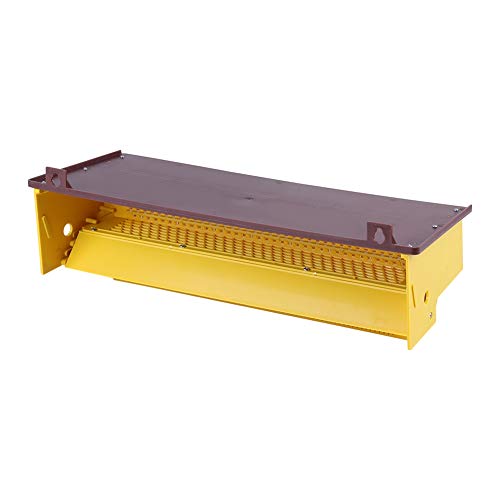 | Best for Small Hives | Hive Size: 8-frame | Material: Plastic | Tray Type: Removable ventilated tray | CHECK ON AMAZON | Read Our Analysis |
| Pollen Collector Tray for Beekeeping |  | Beginner Friendly | Hive Size: Standard hive | Material: Thick plastic | Tray Type: Removable ventilated tray | CHECK ON AMAZON | Read Our Analysis |
| Beekeeping Pollen Trap with Removable Collector Tray |  | Easy Maintenance | Hive Size: Standard hive | Material: High-quality plastic | Tray Type: Removable ventilated tray | CHECK ON AMAZON | Read Our Analysis |
| 2 Set Pollen Trap Catcher for Beekeeping |  | Best 2-Pack | Hive Size: 10-frame | Material: Durable plastic | Tray Type: Not specified | CHECK ON AMAZON | Read Our Analysis |
More Details on Our Top Picks
Apimaye Premium Screened Bottom Board with Pollen Trap
If you want a versatile hive upgrade, Apimaye’s pollen trap stands out overall for 10-frame Langstroth hives. You get a durable food-grade plastic bottom board that won’t rot, handles impacts, and cleans up easily. The built-in trap and removable drawer let you collect pollen hygienically while helping avoid bee injuries. Ventilation channels support hot and cold conditions, reduce moisture, and aid transport safety. You can inspect for Varroa mites, block small hive beetles, and switch to a screened bottom board when needed. Adjustable entrances also help guard against mice, robbing, wasps, and hornets.
- Hive Size:10-frame
- Material:Food-grade plastic
- Tray Type:Removable screened tray
- Adjustable:Yes
- Mounting:Bottom board
- Brand:Apimaye
- Additional Feature:Varroa mite monitoring
- Additional Feature:Small hive beetle control
- Additional Feature:Entrance reducer mouse guard
ZffXH Bee Hive Pollen Collector with Ventilated Tray
ZffXH’s ventilated tray makes easy setup ideal for 10-frame beekeepers who want cleaner pollen collection. You can use this brown Model B061201001 trap to gather pollen without lifting the whole hive, which saves time during routine checks. Its adjustable design lets you switch between pollen trapping and unrestricted bee entry, so you’re not locked into one mode. The draw access helps you collect pollen without removing the unit. For best results, close other hive entrances and remove the queen excluder before use. The airflow-friendly tray supports efficient collection and smoother hive management.
- Hive Size:10-frame
- Material:Plastic
- Tray Type:Ventilated tray
- Adjustable:Yes
- Mounting:Hive entrance
- Brand:ZffXH
- Additional Feature:Draw access collection
- Additional Feature:Close all entrances
- Additional Feature:Queen excluder removal
Beekeeping Bee Pollen Trap for 10-Frame Hives
HunterBee’s 10-frame pollen trap is a reliable pick for beekeepers who want easy, controlled pollen collection. You can fit it to 10-frame hives and use its removable, ventilated collector box to keep airflow moving while it catches pollen. The accessible draw lets you retrieve pollen without lifting the whole hive, so you save time and stress. Switch the setting to allow full bee entrance when needed. For proper trapping, close all other hive entrances and remove the queen excluder. Its removable design also makes maintenance simpler.
- Hive Size:10-frame
- Material:Plastic
- Tray Type:Ventilated tray
- Adjustable:Yes
- Mounting:Hive entrance
- Brand:HunterBee
- Additional Feature:Draw access collection
- Additional Feature:Close all entrances
- Additional Feature:Queen excluder removal
Pollen Traps for Bee Hives with Tray
For beekeepers who want cleaner collection, this 10-frame hive trap includes a ventilated tray. You can hang it at the hive entrance with two small holes, and it stays secure while foragers return. Its yellow plastic body measures 39 × 14 × 1 cm, and it’s built from durable, bee-safe material. The removable tray helps keep debris out of your harvest, so you get cleaner pollen samples. You can install and remove it quickly, making routine checks easier. Eujgoov makes this practical tool for repeated use in busy hives.
- Hive Size:10-frame
- Material:Plastic
- Tray Type:Removable ventilated tray
- Adjustable:Not specified
- Mounting:Hive entrance
- Brand:Eujgoov
- Additional Feature:Cleaner pollen collection
- Additional Feature:Two-hole hanging support
- Additional Feature:39 × 14 cm
Pssopp 8 Frame Beekeeping Pollen Trap Collector
Pssopp’s 8-frame pollen trap suits small hives that need simple, reliable pollen collection. You can hang it at the hive entrance fast, thanks to the two small mounting holes. Its durable plastic build helps it stay stable, last longer, and stay safe for your bees. The removable yellow collector and ventilated tray make cleanup easy and keep pollen clean. You’ll collect efficiently without disrupting hive activity, so your bees keep working normally. If you want a practical trap for an 8-frame setup, this Pssopp model gives you straightforward performance for amateur or professional use.
- Hive Size:8-frame
- Material:Plastic
- Tray Type:Removable ventilated tray
- Adjustable:Not specified
- Mounting:Hive entrance
- Brand:Pssopp
- Additional Feature:8-frame hive fit
- Additional Feature:Yellow collector tray
- Additional Feature:Amateur-friendly setup
Pollen Collector Tray for Beekeeping
The Cyrank pollen collector tray suits beekeepers who want simple, reliable pollen harvesting. You will value its thick, reusable plastic frame, which handles daily hive use, outdoor temperature swings, and frequent lifting without much wear. The tray-style yellow design is removable and ventilated, so you can collect pollen cleanly and wash it fast. You’ll mount it directly at the hive entrance with no tricky fittings, making setup easy for beginners. As a standard bee pollen collector, it supports routine apiary work and helps you gather pollen systematically alongside swarm traps for honey bees.
- Hive Size:Standard hive
- Material:Thick plastic
- Tray Type:Removable ventilated tray
- Adjustable:Not specified
- Mounting:Front mount
- Brand:Cyrank
- Additional Feature:Thick reusable plastic
- Additional Feature:Beginner-friendly installation
- Additional Feature:Daily hive placement
Beekeeping Pollen Trap with Removable Collector Tray
If you want cleaner pollen with less hassle, this removable-tray trap fits the bill. You can mount this TOPINCN pollen trap at the hive entrance using the two support holes, and it stays secure while you work. Its high-quality plastic body is bee-safe, durable, and simple to handle. The ventilated collector tray boosts airflow, helping pollen stay dry and clean. Since the tray comes off easily, you can assemble, disassemble, and wash it fast. It also blocks dust and debris, so you collect purer pollen for your honey extraction setup.
- Hive Size:Standard hive
- Material:High-quality plastic
- Tray Type:Removable ventilated tray
- Adjustable:Yes
- Mounting:Hive entrance
- Brand:TOPINCN
- Additional Feature:Dust/debris blocking
- Additional Feature:Movable tray design
- Additional Feature:Honey extraction equipment
2 Set Pollen Trap Catcher for Beekeeping
For beekeepers needing a handy 2-pack, these pollen trap catchers make collection straightforward. You get two JAOCDOEN traps, so you can outfit more than one hive or keep a spare on hand. They’re made from sturdy, high-quality plastic, and you can assemble them quickly without fuss. During use, you can switch them to collect pollen or let bees enter freely. Just close every other hive entrance, and remove the queen first. Since you don’t need to remove the whole hive, you’ll save time while gathering pollen efficiently for your apiary.
- Hive Size:10-frame
- Material:Durable plastic
- Tray Type:Not specified
- Adjustable:Yes
- Mounting:Not specified
- Brand:JAOCDOEN
- Additional Feature:Two-piece set
- Additional Feature:Queen removal required
- Additional Feature:Close all entrances
Factors to Consider When Choosing Pollen Traps for Collecting Bee Pollen
When you choose a pollen trap, make sure it fits your hive frames and won’t disrupt bee movement. You’ll also want solid ventilation, a collection method that’s easy to manage, and durable materials that can handle regular use. Check the entrance controls too, since they help you balance pollen collection with hive health.
Hive Frame Compatibility
Choosing a pollen trap that matches your hive’s frame size is essential for proper fit and reliable collection. You should choose a trap built for your hive’s 10-frame or 8-frame setup so it sits correctly and works as intended. If the frame type doesn’t match, gaps can appear and let bees slip past the trap or drop pollen. Look for designs that fit standard Langstroth hives, since that helps you install the trap without custom changes. You also need a trap that aligns with your hive entrance dimensions, because poor sizing can slow bee traffic. When the trap matches your hive’s frame architecture, you collect pollen more effectively and protect hive activity and bee safety.
Trap Ventilation Design
A well-ventilated pollen trap helps keep your hive balanced while it collects pollen, because airflow prevents heat and moisture from building up inside the trap. You should look for ventilated trays, grills, or mesh that let air move freely while still protecting bees from injury. Good ventilation also helps regulate humidity, which lowers mold risk and keeps the hive drier in cold weather. In hot conditions, steady air exchange prevents overheating and supports bee wellbeing. It also limits debris and moisture buildup, so the pollen you collect stays cleaner and higher quality. When you choose a trap with smart ventilation channels, you’re choosing a design that supports hive health and helps your bees stay comfortable throughout the season.
Pollen Collection Method
How a pollen trap collects pollen matters just as much as how well it vents. You want a trap that sits at the hive entrance and gently scrapes pollen from bees’ legs as they pass inside, then drops it into a tray. Look for adjustable settings so you can switch between trapping and free movement when you need to reduce hive stress. A removable tray or drawer makes collection cleaner and faster, since you can empty it without dismantling the unit. Make sure the trap supports good airflow so pollen stays dry and less exposed to hive debris. For reliable results, close off other hive entrances, and if needed, remove the queen excluder so bees must travel through the trap consistently during active foraging periods.
Material Durability
Durability matters because your pollen trap has to hold up to daily use, changing weather, and repeated cleaning without cracking or warping. You should look for high-quality plastic that can handle impacts, moisture, and outdoor temperature swings without becoming brittle. Food-grade plastic is a smart choice because it won’t rot and stays safe around your bees. Thick, reusable construction also helps the trap keep its shape when you move it, clean it, and set it on the hive day after day. When the material stays strong and resilient, it resists breakage and deformation, so you get steady, reliable pollen collection over time. A well-made trap saves you hassle, lasts longer, and performs consistently through changing conditions.
Entrance Control Features
Once you’ve chosen a trap that can stand up to repeated use, pay close attention to its entrance control features. You want adjustable openings that let you regulate bee traffic and fine-tune pollen collection. Look for entrance holes you can open, close, or resize so you can adapt to weather shifts and your colony’s changing needs. A good entrance reducer also helps block mice, wasps, and hornets while still giving your bees safe access. It should limit robbing by other bees and insects, too, because that keeps your hive secure during trapping. When you control the entrance properly, you’ll collect pollen efficiently without stressing or injuring your bees. That balance protects your colony and improves your harvest.
Frequently Asked Questions
How Often Should I Empty a Pollen Trap During Peak Flow?
You should empty it daily during peak flow, and even twice a day if your trap fills fast. This keeps pollen fresh, prevents mold, and lets you keep collecting efficiently without blocking the bees.
Will Pollen Trapping Reduce Honey Production in My Hive?
Yes, you’ll likely reduce honey production a bit because your bees spend more energy collecting pollen. You can minimize the impact by using the trap only part-time and monitoring hive strength closely.
Can Pollen Traps Be Used in Winter or Early Spring?
You can use pollen traps in early spring, but you shouldn’t in winter. You’ll stress the colony and reduce pollen stores when bees need them most. Wait until foraging picks up and the hive builds strength.
How Do I Clean Pollen Traps Without Contaminating Pollen?
You’ll clean traps with hot water, unscented soap, and a dedicated brush, then rinse and air-dry them completely. Wear gloves, avoid perfumes, and store dried parts in sealed, sanitized containers to prevent contamination.
Are Pollen Traps Safe for Weak or Newly Split Colonies?
Not usually; you shouldn’t use pollen traps on weak or newly split colonies, because you’d reduce their food intake and stress them. Wait until they’re strong, then use traps sparingly and monitor brood closely.