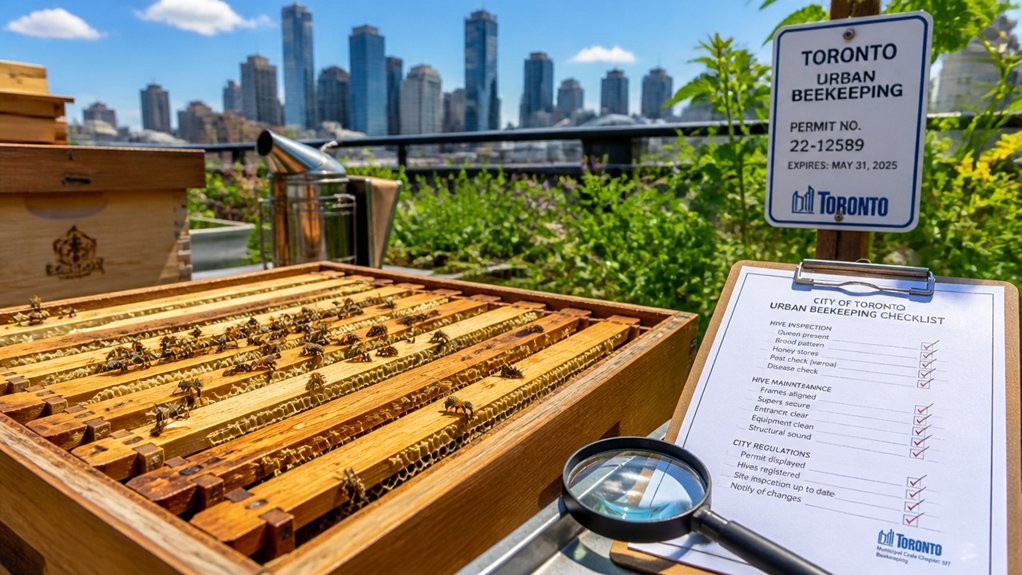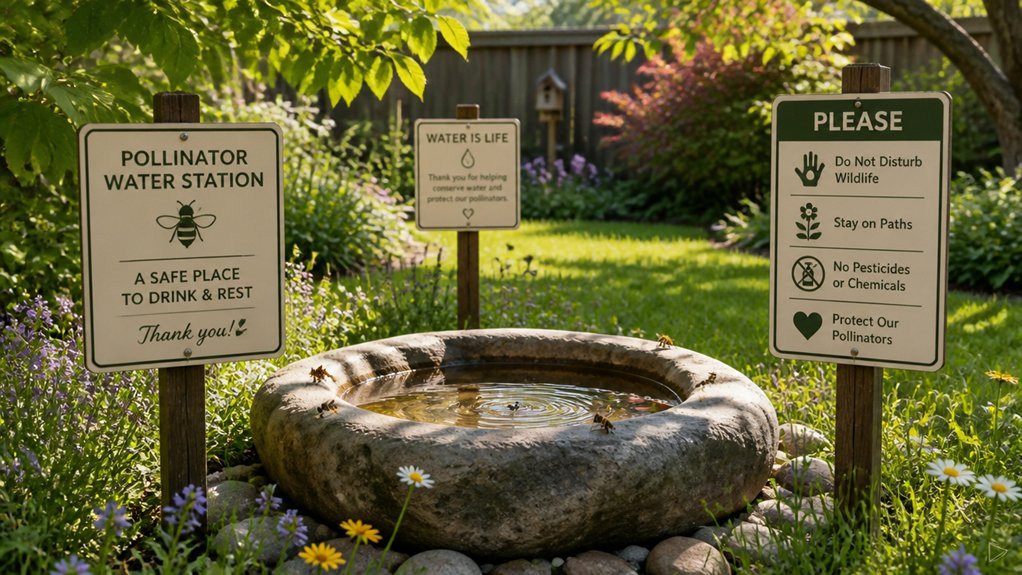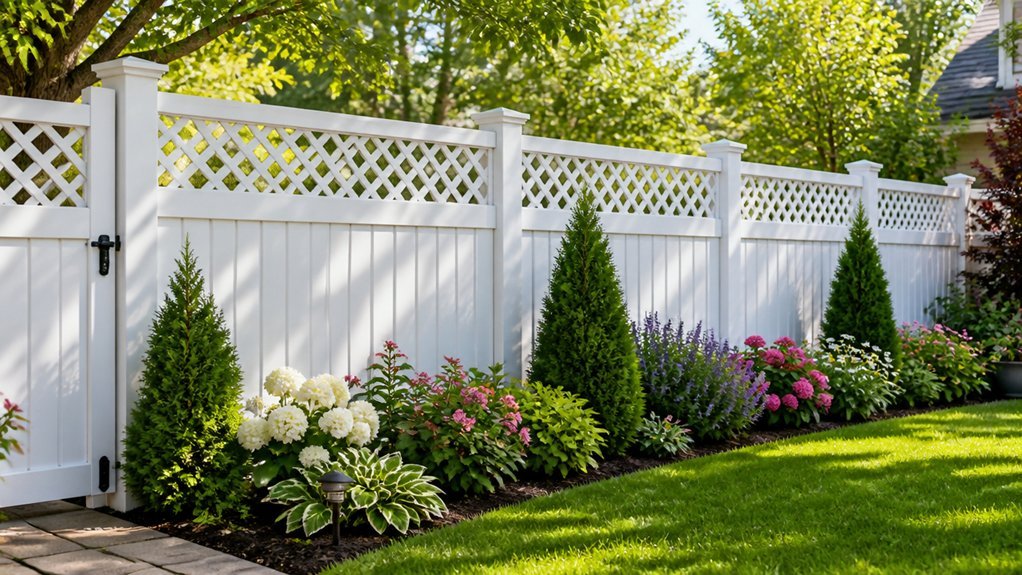
Before you build a backyard fence, check your city or county rules, HOA guidelines, and property lines so you don’t start with a permit problem. Measure carefully and follow height limits, especially near roads or boundaries, and choose materials that meet local rules and hold up well. If you’re adding a beehive fence, talk with neighbors early, keep it neat, and manage bee activity to avoid disputes. A few details can save you from costly fixes, and there’s more to know.
Check Local Backyard Fence Rules
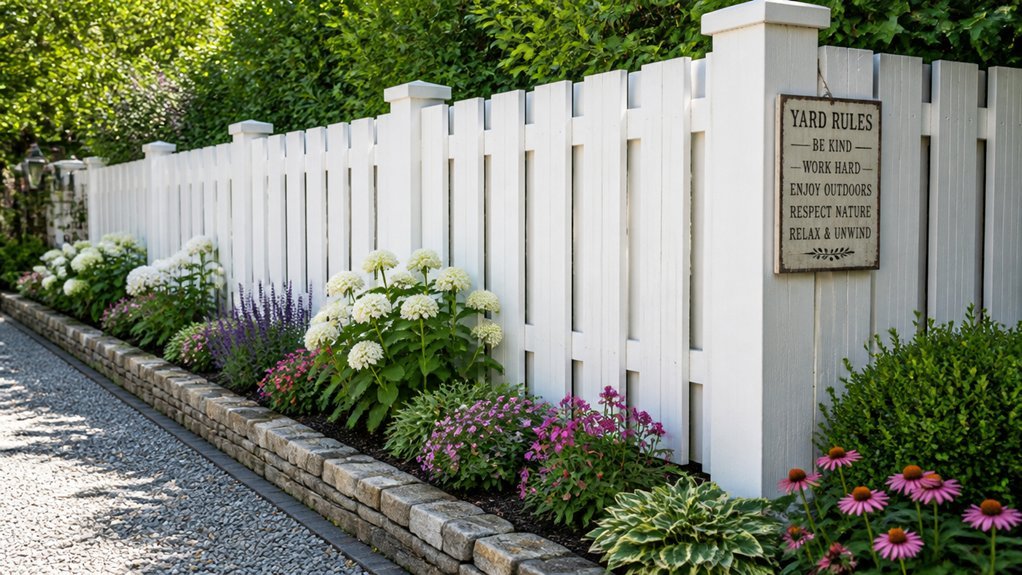
Before you build a backyard fence, check your local rules so you don’t run into fines or have to tear anything down later. You should call your city or county office and ask about permits, boundary setbacks, material limits, and any neighborhood restrictions.
If you live in a homeowners association, review its guidelines too, because they can add extra requirements. You’ll also want to confirm property lines before you dig, since a fence on the wrong side can lead to disputes with neighbors.
Take notes on every rule you receive, and save emails or printed documents for reference. If anything seems unclear, ask for written clarification before you buy materials or start work. A little research now can save you time, money, and stress later. Additionally, understanding material restrictions can help you choose the right fence materials that comply with local regulations.
Follow Beehive Fence Height Rules
Once you’ve checked your local rules, make sure your beehive fence meets any height limits your area requires. Measure from the ground to the top of the finished fence, not to decorative additions.
If your area sets a maximum, keep the structure within that number, even after posts, caps, or slats go on. You should also verify whether the limit changes near property lines, roads, or shared easements.
Use a level, tape measure, and a clear plan before you build, so you don’t waste time rebuilding later. If you want privacy or wind control, choose materials and spacing that work within the allowed height.
Keep records of your measurements and permits, since they can help if an inspector asks. To ensure your fence remains stable and durable, consider using weather-resistant materials that withstand outdoor conditions over time.
Avoid Neighbor Problems With Your Beehive Fence
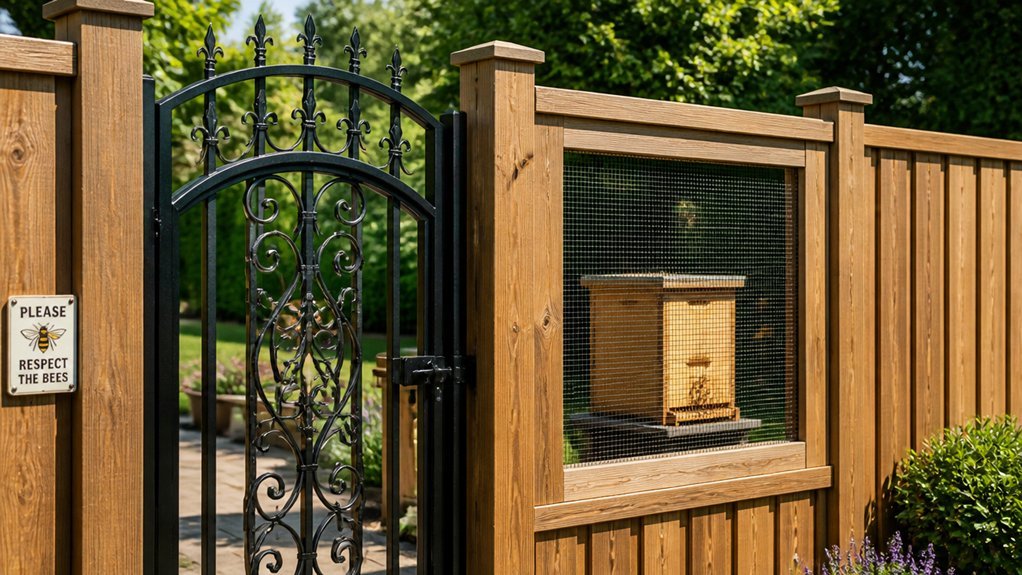
A beehive fence works best when it doesn’t create tension next door, so talk with your neighbors before you build and explain what you’re planning.
A beehive fence works best when you talk with neighbors first and explain your plans.
Share your fence’s height, placement, and purpose, and ask whether they’ve concerns about sight lines, noise, or bees. You can prevent complaints by keeping the structure neat, maintaining it often, and checking that it doesn’t overhang their property.
If bees will live nearby, place water sources on your side and avoid activities that might attract swarms. Respect local rules on setbacks and permits, and fix problems quickly if a neighbor raises one.
A friendly update before construction and a quick follow-up after installation can build trust and keep everyone comfortable with your fence.
Frequently Asked Questions
What Materials Are Best for a Long-Lasting Backyard Fence?
Cedar, redwood, vinyl, and powder-coated steel last longest. You’ll get durability, weather resistance, and low maintenance. Choose treated posts and galvanized hardware, and you’ll extend your fence’s life even more.
How Do I Choose a Fence Style That Matches My Home?
Match your fence to your home’s architecture, colors, and trim. Choose clean lines for modern homes, pick picket or lattice for traditional styles, and keep height, spacing, and materials consistent with your exterior features.
What Permits Are Needed Before Installing a Backyard Fence?
You’ll usually need a local building permit, and sometimes zoning, HOA, or utility approvals too. Check setback, height, and easement rules first. Your city or county office can tell you exactly what’s required.
How Can I Maintain a Fence to Prevent Weather Damage?
You can prevent weather damage by sealing your fence, repainting it, tightening hardware, and clearing debris regularly. Inspect for rot, rust, or warping after storms, and replace damaged boards before moisture spreads further.
What Are the Best Plants to Grow Along a Backyard Fence?
You’ll do best with climbing roses, clematis, jasmine, hydrangea, or arborvitae. They soften hard lines, add privacy, and handle fence edges well. Choose plants matching your sun, soil, and available space.
In Summary
Before you build your backyard fence, make sure you know the local rules, since they can shape what you can install and where. If you’re adding a beehive fence, check the height requirements so you stay compliant and protect the bees. You should also talk with your neighbors early to avoid disputes and keep the project friendly. A little planning now can save you time, money, and headaches later, while helping your fence work well.