

If you’re planning a bee-friendly garden in 2026, the right pollinator seed mix can make all the difference. You’ll want blooms that feed bees, butterflies, and hummingbirds across the seasons, but not every blend suits every space or soil type. From native wildflowers to low-maintenance perennial mixes, a few standout options offer more than color. The details matter, and the best choice may not be the one you’d expect.
| Buzzy Seeds Wildflower Pollinator Seed Mix 1 Lb Bag 18 Varieties |  | Best For Beginners | Seed Count: 18 varieties | Plant Types: Annual & perennial wildflowers | Pollinators: Bees, butterflies | CHECK ON AMAZON | Read Our Analysis |
| Earth Science Wildflower Pollinator Mix (6lb) |  | Best Coverage | Seed Count: 56,000+ seeds | Plant Types: Annual wildflowers | Pollinators: Bees, butterflies, hummingbirds | CHECK ON AMAZON | Read Our Analysis |
| Twin City Seed Co. Bee Lawn Seed Mixture 1 lb |  | Best Turf Alternative | Seed Count: 0.5 lb mix | Plant Types: Grasses, clover, herbs | Pollinators: Bees, pollinators | CHECK ON AMAZON | Read Our Analysis |
| Mountain Valley Seed Co Wildflower Seed 2 Oz. 80,000+ Seeds – Save the Bees |  | Best Gift Pick | Seed Count: 80,000+ seeds | Plant Types: Annual & perennial wildflowers | Pollinators: Bees, pollinators | CHECK ON AMAZON | Read Our Analysis |
| Tactiko Save the Bees Wildflower Seed Mix 4oz | 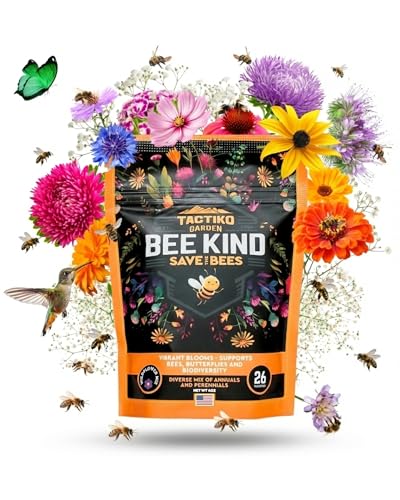 | Best Variety | Seed Count: 120,000+ seeds | Plant Types: Annual & perennial wildflowers | Pollinators: Bees, butterflies, hummingbirds | CHECK ON AMAZON | Read Our Analysis |
| Burpee Wildflower Bulk Flower Seeds Mix |  | Most Trusted | Seed Count: 25,000 seeds | Plant Types: Perennial wildflowers | Pollinators: Bees, butterflies | CHECK ON AMAZON | Read Our Analysis |
| HOME GROWN 24 Wildflower Variety Mix 90,000+ Flower Seeds 3 oz |  | Best Large Garden | Seed Count: 90,000+ seeds | Plant Types: Perennial wildflowers | Pollinators: Bees, butterflies, birds | CHECK ON AMAZON | Read Our Analysis |
| Seedboy Non-GMO Wildflower Seeds for Pollinators Bees Butterflies (2oz) |  | Best Seed Count | Seed Count: 40,000+ seeds | Plant Types: Annual & perennial wildflowers | Pollinators: Bees, butterflies, hummingbirds | CHECK ON AMAZON | Read Our Analysis |
| Organo Republic Perennial Wildflower Seeds Mix (4oz) |  | Best Perennial Mix | Seed Count: 100,000+ seeds | Plant Types: Annual & perennial wildflowers | Pollinators: Bees, butterflies, birds | CHECK ON AMAZON | Read Our Analysis |
More Details on Our Top Picks
Buzzy Seeds Wildflower Pollinator Seed Mix 1 Lb Bag 18 Varieties
If you’re new to pollinator planting, this Buzzy mix makes it easy to start. You get 18 wildflower varieties, including sunflower, cosmos, calendula, coneflower, zinnia, and aster, so you can fill beds, borders, containers, or a meadow with color. The nectar-rich blend helps attract bees, butterflies, and other pollinators while supporting biodiversity in your yard. You can scatter the premium, tested Non-GMO seeds over prepared soil, cover them lightly, and water. Many sprout in 2 to 3 weeks, then bloom from spring through fall. The resealable 1 lb bag also makes storage simple.
- Seed Count:18 varieties
- Plant Types:Annual & perennial wildflowers
- Pollinators:Bees, butterflies
- Coverage:Garden beds, containers
- Growth Style:Fast germination
- Seed Traits:Non-GMO, tested
- Additional Feature:18 wildflower varieties
- Additional Feature:Resealable 1 lb bag
- Additional Feature:Customer planting support
Earth Science Wildflower Pollinator Mix (6lb)
Earth Science’s 6 lb Wildflower Pollinator Mix is ideal if you want broad coverage for a bee-friendly garden. You get a 3-in-1 blend of seed, plant food, mulch, and soil conditioners, plus over 56,000 non-GMO seeds. It covers up to 1,000 square feet and includes 13 species like purple coneflower, zinnia, and lacy phacelia. You’ll attract bees, butterflies, hummingbirds, and other native pollinators. The mix blooms all season with little upkeep, and Water Right Crystals help you gauge watering. It’s safe around people and pets, too.
- Seed Count:56,000+ seeds
- Plant Types:Annual wildflowers
- Pollinators:Bees, butterflies, hummingbirds
- Coverage:Up to 1,000 sq ft
- Growth Style:Season-long bloom
- Seed Traits:Non-GMO, chemical-free
- Additional Feature:3-in-1 formula
- Additional Feature:Water Right Crystals
- Additional Feature:Safe around pets
Twin City Seed Co. Bee Lawn Seed Mixture 1 lb
Twin City Seed Co.’s Bee Lawn Seed Mixture suits you if you want a turf alternative that feeds pollinators. This 1 lb bag blends fine fescues with white Dutch clover, self heal, and a touch of yarrow, so you can keep a green, lawn-like look while offering food for at-risk bees. You can sow it in full sun or shade across many soil types. Expect germination in 7 to 15 days under ideal conditions. Water lightly and often during establishment, then mow monthly at 3 to 5 inches. Let it reach 6 inches for more blooms.
- Seed Count:0.5 lb mix
- Plant Types:Grasses, clover, herbs
- Pollinators:Bees, pollinators
- Coverage:1,000 sq ft
- Growth Style:Low-mow lawn
- Seed Traits:Mixed turf species
- Additional Feature:Bee-friendly turf alternative
- Additional Feature:Monthly mowing recommended
- Additional Feature:Full sun to shade
Mountain Valley Seed Co Wildflower Seed 2 Oz. 80,000+ Seeds – Save the Bees
Mountain Valley Seed Co’s 2 oz wildflower mix suits gardeners who want a vibrant, bee-saving gift pick. You get 80,000+ pure, non-GMO seeds from 19 annuals and perennials, enough to cover about 250 square feet. Plant it after the last frost for blooms in 20–30 days, or sow in fall and let winter trigger spring growth. You’ll attract bees with butterfly milkweed, coneflowers, cosmos, bergamot, and more. The resealable, hand-illustrated package looks gift-ready, and every purchase supports the Bee Conservancy, so you’re helping pollinators while you garden.
- Seed Count:80,000+ seeds
- Plant Types:Annual & perennial wildflowers
- Pollinators:Bees, pollinators
- Coverage:250 sq ft
- Growth Style:Spring/fall sowing
- Seed Traits:Non-GMO, pure
- Additional Feature:19 annuals and perennials
- Additional Feature:Bee Conservancy contribution
- Additional Feature:Gift-ready illustrated package
Tactiko Save the Bees Wildflower Seed Mix 4oz
If you want the widest bloom variety, Tactiko Save the Bees Wildflower Seed Mix suits pollinator-packed gardens. You’ll get over 120,000 U.S.A.-grown seeds in a 4 oz pouch with 26 annual and perennial flowers, including lupine, zinnia, cosmos, and purple coneflower. That mix helps you attract honeybees, native bees, butterflies, and hummingbirds while adding season-long color. You can cover 300 to 600 square feet, so it works well for lawns, borders, meadows, and raised beds. Just loosen soil, scatter, rake lightly, and keep it moist. The waterproof, rodent-proof pouch makes storage easy.
- Seed Count:120,000+ seeds
- Plant Types:Annual & perennial wildflowers
- Pollinators:Bees, butterflies, hummingbirds
- Coverage:300-600 sq ft
- Growth Style:Continuous blooms
- Seed Traits:USA-grown, non-GMO
- Additional Feature:Waterproof, rodent-proof pouch
- Additional Feature:Beginner planting guide
- Additional Feature:Dense flower coverage
Burpee Wildflower Bulk Flower Seeds Mix
Burpee’s most trusted wildflower mix suits gardeners who want a big, bee-friendly bloom boost. You get 25,000 non-GMO perennial seeds in 18 varieties, including North America favorites like Cornflower and Zinnia Elegans. One bulk bag covers up to 1,000 square feet, so you can fill a large sunny space with ease. Sow it after heavy frost passes, and it’ll thrive in most soils. You’ll attract bees, butterflies, and other pollinators while enjoying early blooms and carefree growth. Backed by Burpee’s 140+ years of expertise, it’s a reliable choice.
- Seed Count:25,000 seeds
- Plant Types:Perennial wildflowers
- Pollinators:Bees, butterflies
- Coverage:Up to 1,000 sq ft
- Growth Style:Early blooming
- Seed Traits:Non-GMO
- Additional Feature:Trusted since 1876
- Additional Feature:Expert horticulturalist selection
- Additional Feature:Best after heavy frost
HOME GROWN 24 Wildflower Variety Mix 90,000+ Flower Seeds 3 oz
HOME GROWN’s 24-variety wildflower mix suits you if you want a large garden full of pollinator blooms. You get over 90,000 non-GMO, U.S.-sourced seeds with purple coneflower, black eyed Susan, coreopsis, cosmos, yarrow, and more. You can sow them outdoors from spring through fall and expect staggered color that lasts from early spring into late fall. The mix attracts bees, butterflies, and birds, while drought tolerance and nitrogen-fixing flowers help your soil. Detailed instructions make planting easier, whether you build a meadow, cottage bed, container display, or backyard prairie.
- Seed Count:90,000+ seeds
- Plant Types:Perennial wildflowers
- Pollinators:Bees, butterflies, birds
- Coverage:Large areas
- Growth Style:Year-after-year blooms
- Seed Traits:Non-GMO, U.S.-sourced
- Additional Feature:U.S.-sourced seeds
- Additional Feature:Drought tolerant
- Additional Feature:Green manure benefit
Seedboy Non-GMO Wildflower Seeds for Pollinators Bees Butterflies (2oz)
Seedboy’s 2 oz wildflower mix packs 40,000+ non-GMO seeds, making it ideal for maximizing pollinator coverage. You get 47 annual and perennial varieties, including African Daisy, Sunflower, Marigold, Cosmos, Columbine, Lupine, Snapdragon, and Zinnias, with no fillers or mystery seeds. Scatter it in prepared soil, press lightly, and water. One pouch covers 250 sq. ft., and it suits USDA zones 1 through 13. Plant after frost for summer color or in early fall for spring blooms. You’ll support bees, butterflies, and hummingbirds from spring through fall, with tested seeds and a simple replacement guarantee.
- Seed Count:40,000+ seeds
- Plant Types:Annual & perennial wildflowers
- Pollinators:Bees, butterflies, hummingbirds
- Coverage:250 sq ft
- Growth Style:Spring/fall blooms
- Seed Traits:Non-GMO, no fillers
- Additional Feature:47 seed varieties
- Additional Feature:USDA zones 1-13
- Additional Feature:Replacement guarantee
Organo Republic Perennial Wildflower Seeds Mix (4oz)
If you want a vibrant, pollinator-rich garden, Organo Republic’s 4 oz perennial wildflower mix fits the bill. You get a premium blend of 23 wildflower varieties, with annual and perennial blooms in pink, yellow, purple, and green. The packet holds over 100,000 non-GMO, heirloom seeds, giving you plenty to sow indoors or outdoors across North America. As your flowers grow, they’ll attract bees, butterflies, and birds while helping boost pollination and garden health. If you want more biodiversity with less guesswork, this mix makes it easy to start strong and keep your garden buzzing.
- Seed Count:100,000+ seeds
- Plant Types:Annual & perennial wildflowers
- Pollinators:Bees, butterflies, birds
- Coverage:Indoor/outdoor planting
- Growth Style:Indoor/outdoor growth
- Seed Traits:Non-GMO, heirloom
- Additional Feature:Indoor and outdoor planting
- Additional Feature:Heirloom wildflower seeds
- Additional Feature:North America suitable
Factors to Consider When Choosing Pollinator Seed Mixes for Bee-Friendly Gardens
When you choose a pollinator seed mix, look for a strong seed variety that attracts bees and supports different blooms. You’ll also want to match the bloom season and coverage area to your garden so the flowers feed pollinators for longer and fit your space. If you’re new to planting, pick a mix that’s easy to grow and maintain.
Seed Variety
A strong pollinator seed mix starts with variety: combining annuals and perennials helps keep blooms coming through the season, while mixing species with different bloom times gives bees a steady supply of nectar and pollen. You’ll get better results when your mix includes several wildflower types that open at different points in spring, summer, and fall. Choose a range of colors, shapes, and sizes so your garden can support more than just one kind of pollinator. Native wildflowers are especially valuable because they fit local conditions and match the needs of nearby bee populations. A high-diversity mix also strengthens your garden by boosting biodiversity, improving resilience, and reducing gaps in bloom. With the right variety, you create a healthier, more dependable habitat.
Pollinator Appeal
To make your pollinator seed mix truly bee-friendly, focus on how attractive it is to pollinators. You’ll get better results when you choose nectar-rich flowers like coneflowers, cosmos, zinnias, and asters, since they draw bees, butterflies, and hummingbirds. Aim for a mix of colors, shapes, and flower forms so different species can feed comfortably. Native plants matter, too, because local pollinators already know and trust them, and these species usually fit your garden well. A blend of annuals and perennials adds diversity and keeps your planting interesting for more than one season. When you include a variety of blooms, you support pollinators with the resources they’re looking for and make your garden a more inviting habitat overall.
Bloom Season
For a pollinator seed mix that keeps bees fed all season, choose varieties with blooms from early spring through late fall. You’ll give pollinators a steady food supply by pairing quick-blooming annuals with long-lasting perennials. Early flowers matter most because they offer nectar to bees as they emerge from winter dormancy. Aim for mixes with staggered bloom times, so one flower wave follows another without gaps. Overlapping flowering periods keep your garden attractive and active for longer, which helps different pollinator species find food when they’re on the wing. Seasonal bloom variation also lets you support insects with different activity peaks. When you plan for continuous flowering, you make your seed mix work harder and keep your garden buzzing from spring’s first warmth to autumn’s last days.
Coverage Area
After you’ve planned for blooms across the season, the next step is making sure the seed mix fits the space you want to plant. You’ll see coverage ranges vary a lot: a small packet may handle about 250 square feet, while a bulk bag can cover 1,000 square feet or more. Check the package weight and seed density, since heavier mixes usually serve larger areas. Also, look at what’s in the blend. Annuals, perennials, and mixed mixes all cover ground differently because seed size and planting rates aren’t the same. Prep your soil well and spread seed evenly, or your actual coverage may fall short. Matching the stated coverage to your garden helps you avoid over-seeding or ending up with bare spots.
Growing Ease
When you’re choosing a pollinator seed mix, growing ease can make the difference between a frustrating start and a thriving bee garden. You’ll want a mix that germinates fast, ideally in 2 to 3 weeks, so you can see blooms sooner and give bees early food. Look for seeds you can simply scatter over prepared soil, cover lightly, and keep evenly moist. That straightforward method works well whether you’re new or experienced. Mixes with annuals and perennials help you enjoy steady blooms across seasons without constant replanting. Low-maintenance blends that handle different soil types and light levels also reduce guesswork. If the packet includes planting directions and moisture indicators, you’ll have an easier time establishing a healthy, pollinator-friendly garden.
Native Species
Beyond easy germination and simple care, native species should be high on your checklist for a pollinator seed mix. You’ll give your garden plants that already fit your local climate and soil, so they’re more likely to sprout well and thrive. Native wildflowers also offer the exact nectar and pollen your area’s bees have evolved to use, which can boost feeding success. When you choose native mixes, you support more than bees—you’ll attract butterflies, hummingbirds, and other local pollinators, too. These plants also help protect your garden from invasive species that can crowd out habitat and upset nearby ecosystems. Because they’re well matched to regional conditions, native mixes usually need less water, fewer fertilizers, and less upkeep overall.
Seed Quality
Seed quality can make the difference between a mix that simply sits in the packet and one that grows into a thriving pollinator patch. You should look for non-GMO seeds that have been premium tested for purity and viability, because that gives you a better chance of success. Check germination rates closely; higher rates usually mean stronger, more reliable growth. Choose mixes with several flower types so your garden keeps blooming through the seasons and continues attracting bees. Good packaging matters too, since it shields seeds from moisture, pests, and damage during storage. Buy from reputable suppliers whenever you can, because they often offer guarantees and helpful support if planting or germination problems come up.
Frequently Asked Questions
When Should I Plant Pollinator Seed Mixes in 2026?
You should plant pollinator seed mixes in 2026 in early spring after frost, or in fall if your climate allows natural cold stratification. Check your local last-frost date and soil temperatures before sowing.
Which Pollinator Mixes Attract the Most Native Bee Species?
You’ll attract the most native bee species with diverse native wildflower mixes featuring asters, goldenrods, coneflowers, penstemon, milkweed, and bee balm; you’ll want regional, pesticide-free blends that bloom from spring through fall.
How Much Sunlight Do Bee-Friendly Seed Mixes Need?
You’ll usually need full sun, about 6 to 8 hours daily, for bee-friendly seed mixes to thrive. Some shade-tolerant blends work with 4 to 6 hours, but flowering and bee visits drop.
Are Pollinator Seed Mixes Safe for Pets and Children?
They’re usually safe, but you should always check the seed mix ingredients first. You’ll want to avoid toxic plants, pesticides, and treated seeds. Supervise kids and pets, and wash hands after gardening.
Can I Grow Pollinator Flowers in Containers?
Yes, you can grow pollinator flowers in containers. You’ll need deep pots, quality drainage, and regular watering. Choose compact, nectar-rich varieties, place them in full sun, and deadhead often to keep blooms coming.



