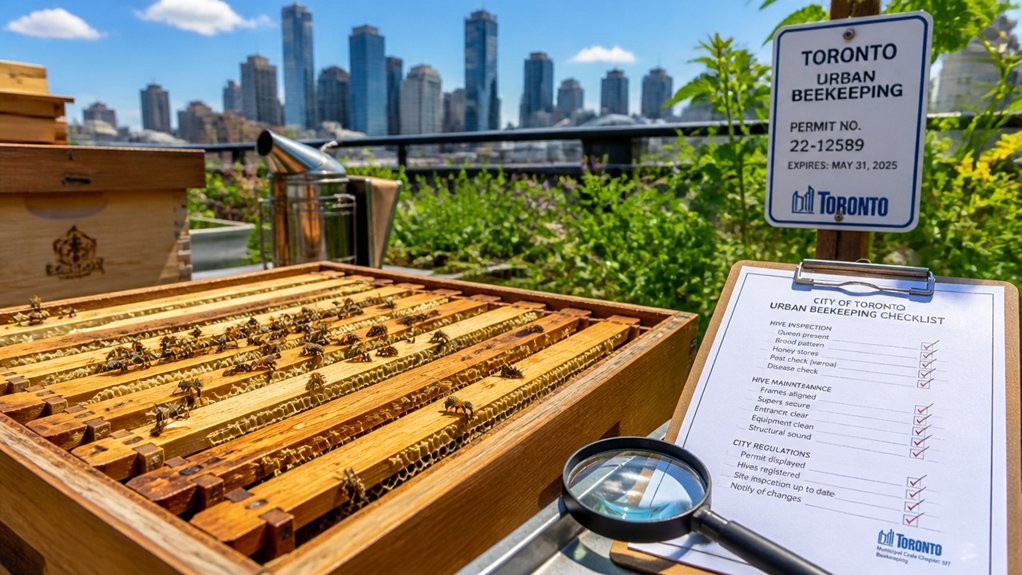
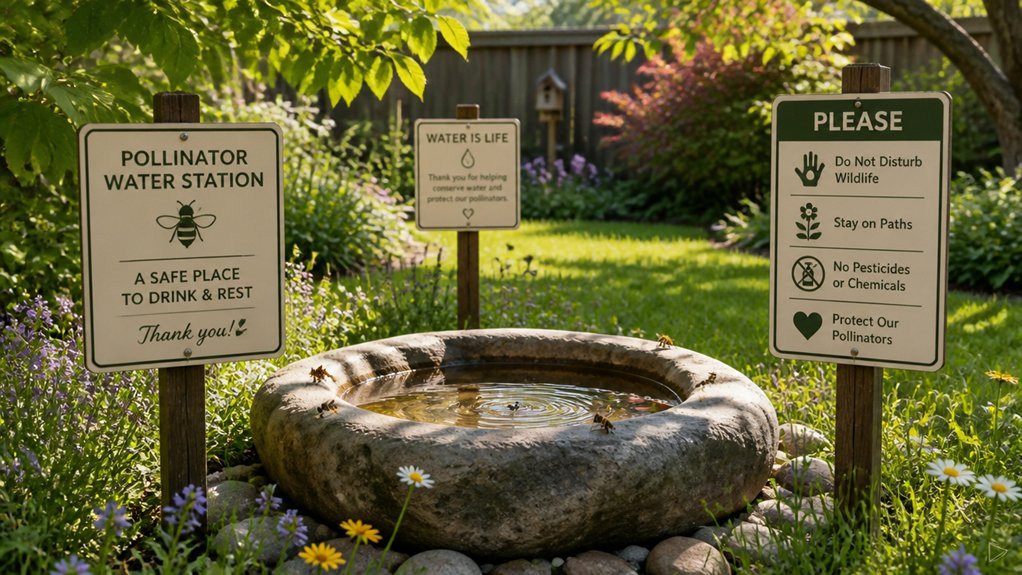
You can manage apiculture diseases naturally by checking your hives often for patchy brood, crawling bees, foul smells, or chalky mummies, then isolating any sick colony quickly. Keep hives clean, dry, and well ventilated by replacing damp comb, using screened bottom boards, and sanitizing tools between colonies. For varroa, use drone brood removal, thymol-based products, and light powdered sugar dusting to help bees groom mites away. There’s more you can do to keep colonies thriving.
How to Identify Common Bee Diseases

Spotting bee diseases early starts with knowing what healthy behavior looks like, so you can notice when something is off. You should watch for brood patterns that look patchy, sunken, or discolored, since healthy brood usually appears compact and even.
Check adult bees for unusual crawling, trembling, wing deformities, or weak flight, because these signs often point to trouble. You can also inspect the hive for foul odors, sticky residue, excessive dead bees, or white, chalky mummies.
Look closely at larvae and pupae for color changes, softness, or missing body structure. When you see these warning signs, compare them with normal colony activity and track changes over time. Careful observation helps you catch common bee diseases before they spread through the hive.
Understanding varroa mite testing kits and their proper use can greatly assist in early detection of mite infestations, which is crucial for maintaining hive health.
Natural Treatments for Common Bee Diseases
Once you’ve spotted signs of illness, you can act quickly with natural treatments that support the colony without adding extra chemical stress.
Spot illness early and use gentle, natural treatments to support the colony without adding chemical stress.
For mild chalkbrood or nosema pressure, you can give bees clean, dry hive space and replace damp comb that holds spores. You can feed small amounts of plain sugar syrup when colonies need energy, but keep it light so you don’t crowd the brood nest.
For varroa, you can use screened bottoms, drone brood removal, and thymol-based products when temperatures allow. You can also dust bees lightly with powdered sugar to encourage mite grooming.
If foulbrood appears, you should isolate the hive and remove heavily infected frames right away. Using varroa mite treatments with proper timing and application methods can help manage mites effectively without disrupting the colony’s natural balance.
Always match the remedy to the disease, and watch the colony closely after treatment.
How to Prevent Bee Diseases in Your Hive

Prevention starts with giving your bees a clean, dry, low-stress home, because healthy colonies resist disease far better than weakened ones. You should inspect brood frames often, watch for spotty brood, foul smells, or strange behavior, and act fast when something seems off. Using screened bottom boards to ensure proper ventilation can also help prevent moisture buildup and improve airflow, reducing the risk of disease. Keep hive tools, gloves, and boxes clean, and don’t swap equipment between colonies unless you’ve sanitized it. Replace old comb regularly, provide strong ventilation, and make sure moisture can’t build up inside the hive. Feed bees when nectar is scarce, but avoid overfeeding, which can invite pests. Choose hardy queens, keep colonies strong, and limit robbing by reducing entrances when needed. If a hive looks sick, isolate it quickly so disease doesn’t spread to nearby colonies.
Frequently Asked Questions
What Legal Requirements Exist for Treating Diseased Bee Colonies Naturally?
You’ll need to follow your country’s bee-health, veterinary, and pesticide laws, report notifiable diseases, use only approved treatments, keep records, and avoid contaminating honey. Check local apiary regulations before you treat colonies naturally.
How Do Bee Diseases Affect Honey Quality and Safety?
Diseased bees can contaminate honey with spores, bacteria, or chemicals, lowering quality and safety. You’ll notice off-flavors, fermentation, or taints, and you shouldn’t harvest from sick colonies until they’re healthy again.
Can Wild Pollinators Spread Diseases to Managed Hives?
Yes, you can get disease spread from wild pollinators to managed hives when they share flowers. You’ll reduce risk by monitoring colonies, limiting stress, and keeping hives away from heavily visited wildflower patches.
What Equipment Should Be Disinfected After Handling Sick Bees?
You should disinfect hive tools, gloves, boots, smoker, feeders, frames, boxes, and any transport equipment after handling sick bees. Clean everything thoroughly, because you can spread pathogens to healthy colonies accidentally.
How Often Should a Beekeeper Inspect Hives for Early Disease Detection?
You should inspect your hives every 7 to 10 days during active season, then less often in winter. You’ll catch early disease signs sooner, track changes, and act before problems spread.
In Summary
By staying observant, you can spot bee disease early and act before it spreads. Natural treatments like better hive ventilation, clean comb, and herbal support can help your colony recover without harsh chemicals. You can also lower disease risk by keeping hives dry, replacing old frames, and maintaining strong nutrition. When you combine careful inspection, gentle treatment, and good prevention, you’ll give your bees the best chance to stay healthy and thrive.