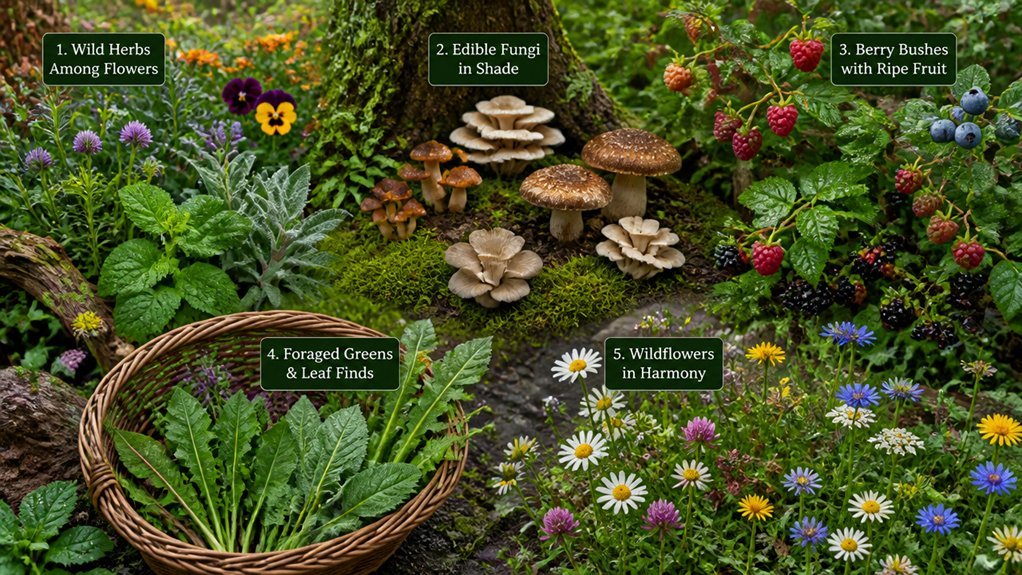
In Zone 8, you can keep bees strong by planting waves of nectar- and pollen-rich flowers from winter through fall. Start with camellia, mahonia, rosemary, thyme, redbud, and wildflowers in spring, then add coreopsis, black-eyed Susan, zinnia, basil, and mint for summer. Finish with asters, goldenrod, sunflowers, and buckwheat for fall. Choose single blooms, native plants, and sunny sites, and you’ll build a forage plan that keeps your hive thriving all season long.
What Zone 8 Bees Need From Forage
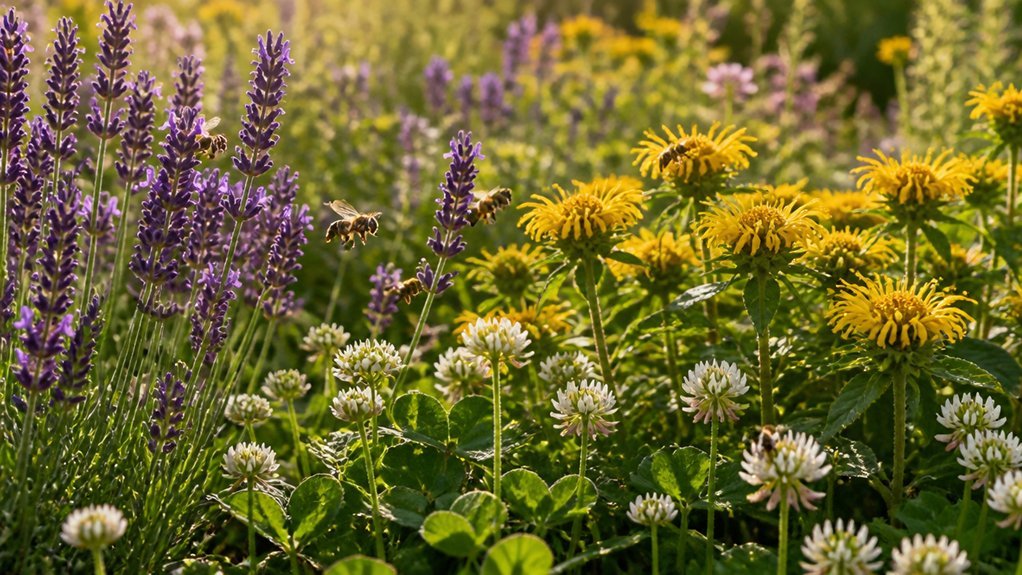
In Zone 8, bees need forage that keeps nectar and pollen available across a long growing season, from early spring through fall. You should choose plants that bloom in waves, so colonies can gather food without gaps.
Mix flowers with different shapes and bloom times to support varied bee species, including small native bees and larger honey bees. Prioritize species that offer both nectar and protein-rich pollen, since bees need steady energy and brood food. Avoid double blooms that hide pollen or sterile cultivars that provide little reward.
You’ll also help bees by grouping plants in sunny spots, limiting pesticides, and keeping soil healthy. When you plan for continuous bloom, you give bees reliable fuel, stronger colonies, and better pollination in your garden. Selecting varieties with high nectar production ensures ample food sources, supporting bees throughout the season.
Best Spring Bee Forage Plants
When you choose spring bee forage plants for Zone 8, focus on early bloomers that give bees nectar right after winter. You can boost your garden with native spring wildflowers that thrive in your area and draw steady pollinator visits. Add flowering herbs like rosemary, thyme, and oregano, and you’ll give bees more food from the start of the season. Incorporating season-long blooms can further support pollinators throughout the growing period.
Early Blooming Nectar Sources
As soon as winter eases, early blooming nectar plants give your Zone 8 bees an essential first source of food and help colonies build strength for the main spring flow.
You can support them with shrubs and bulbs that open early, even when mornings still feel cool. Their nectar and pollen steady nurse bees, encourage brood rearing, and reduce stress after winter.
One way to enhance early foraging is by planting native wildflowers, which are well-adapted to local conditions and can provide reliable, high-quality nectar and pollen for your bees.
Native Spring Wildflowers
Native spring wildflowers give your Zone 8 bees a rich, natural buffet just when colonies need it most, offering both nectar and pollen from plants that evolved alongside local pollinators. You can boost forage by planting clumps in sunny, well-drained beds and leaving some patches a little wild. These blooms arrive in sequence, so your bees won’t face a gap. Ensuring a balanced amino acid profile in the forage helps maximize brood production and colony health.
Flowering Herbs For Bees
Flowering herbs can turn a Zone 8 garden into a spring nectar stopover, and they’re especially useful because many bloom early, resprout after light harvest, and keep bees working through the season.
You can plant rosemary, thyme, and oregano for a steady buzz of foragers, while sage and chives add color and scent. Give them sun and well-drained soil, then let a few stems flower instead of cutting everything back. The reward feels immediate when bees crowd each cluster.
- Rosemary wakes pollinators on cool mornings.
- Chives feed bees with bright purple pom-poms.
- Thyme carpets your beds with tiny, powerful blooms.
If you mix these herbs near paths or veggie rows, you’ll support bees and enjoy fresh harvests at the same time. Weather-resistant materials help ensure these plants attract pollinators throughout the season.
Top Summer Bloomers for Zone 8
When summer heat settles over Zone 8, you can still keep forage production strong by planting bloomers that thrive in warm weather and feed pollinators at the same time. Choose sun-loving plants that push nectar through long, hot days and keep your beds buzzing. Using high-quality pheromone blends can also enhance pollinator attraction and swarm management nearby. You’ll also get steady visits from bees with coreopsis, blanketflower, and black-eyed Susan. Give them well-drained soil, moderate water, and enough spacing for airflow. With smart selection, you’ll support pollinators and enjoy bright color all summer.
Best Fall Forage for Strong Hives

As summer fades, you can keep your hives strong with late-season bloom sources that still offer nectar and pollen.
Plant pollen-rich fall crops to help bees build up reserves before winter.
Add hive preparation plants that support steady foraging and give your colonies a better start into the cold months.
Incorporating balanced amino acids in your forage options can further enhance bee nutrition and overall hive health during this critical period.
Late-Season Bloom Sources
Late-season blooms can make the difference between a hive that limps into winter and one that enters it strong. In Zone 8, you can still find nectar when many gardens fade. Focus on plants that flower into autumn and keep your bees working.
- Asters give you bright color and a steady late flow, helping your colony stay active.
- Goldenrod lights up roadsides and fence lines, offering a reliable finish to the season.
- Mexican bush sage keeps blooming through mild weather, so your bees don’t face a sudden gap.
- Choosing long-lasting weather-resistant finishes for hive maintenance ensures your woodenware withstands fall and winter conditions, protecting your bees and supporting a successful overwintering period.
You’ll build confidence seeing foragers return loaded on warm fall afternoons. Plant these sources near your apiary, and you’ll ease the shift from abundance to winter rest without forcing the hive to depend on dwindling summer flowers.
Pollen-Rich Fall Crops
Beyond the last nectar blooms, fall crops can give your hives the protein boost they need to raise healthy winter bees. You can plant these in Zone 8 to keep pollen coming when summer flowers fade. Buckwheat flowers fast and feeds bees heavily before frost. Sunflowers offer abundant pollen and stand up to warm autumn days. Mustard blooms in cool weather, and bees work it hard when little else is open. Incorporating natural plant extracts in supplemental feeding can further support bee health during these crucial months.
Hive Preparation Plants
To get your colonies ready for winter, focus on fall forage that keeps brood rearing steady and supports young bees. In Zone 8, you can lean on late bloomers that feed bees when nectar thins.
Goldenrod, asters, and Spanish needle help you build stores and keep foragers active, so your hives don’t stall before cold weather arrives. Plant them near sunny, well-drained spots, and you’ll give your bees a last strong push.
- Goldenrod fills combs with late nectar.
- Asters deliver pollen when brood needs protein.
- Basil and borage extend bloom time and calm the hive.
When you match these plants to your yard, you strengthen winter survival and feel the relief of a well-fed colony. A good understanding of seasonal management ensures you provide the right forage at the right time to support your hive’s health through winter.
Winter Bee Forage Options
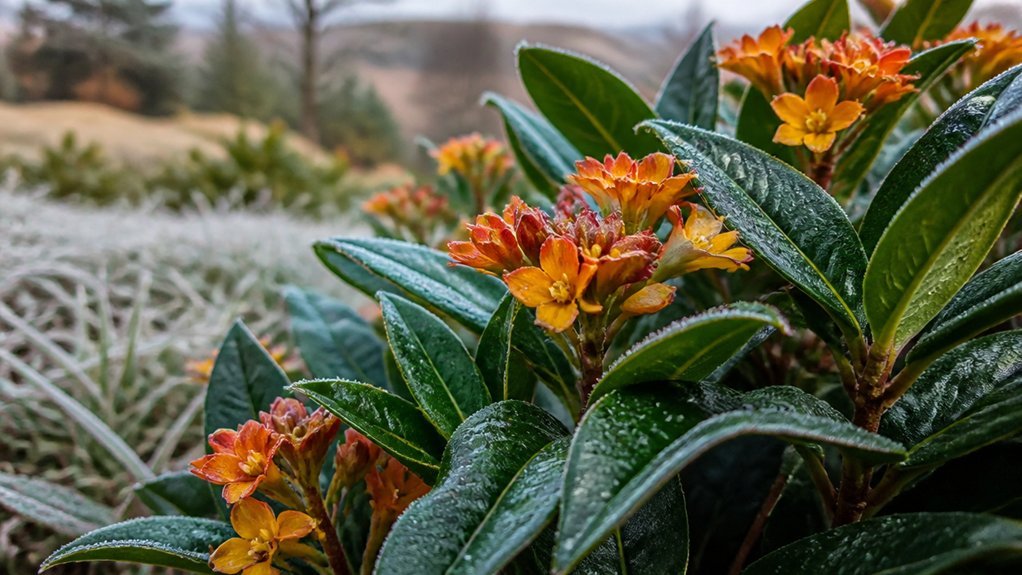
When winter sets in, your bee forage choices narrow, but a few hardy plants can still keep nectar and pollen available on milder days. You can plant camellia, mahonia, and winter heather to bridge gaps when blooms are scarce. They flower during cool spells, and bees may visit whenever temperatures rise above freezing.
| Plant | Benefit | Bloom Time |
|---|---|---|
| Camellia | Nectar source | Late winter |
| Mahonia | Pollen and nectar | Winter to early spring |
| Winter heather | Long bloom period | Midwinter |
Keep these plants in sheltered, sunny spots so they warm quickly. Avoid pruning them too hard in fall, and mulch lightly to protect roots. With the right mix, you’ll help your bees find reliable forage until spring arrives.
Native Zone 8 Plants Bees Love
You can boost your Zone 8 forage by planting native blooms that give bees rich nectar in spring.
As summer arrives, add native plants that supply plenty of pollen and keep hives well fed. These choices help you support bees through the seasons with less effort and better results.
Spring Nectar Sources
As spring warms Zone 8 gardens, native nectar plants start feeding hungry bees just when colonies need the boost most. You can plant them along borders, paths, and sunny edges to give bees easy access to fresh fuel.
Early bloomers like redbud, coral honeysuckle, and wild azalea pour out sweet nectar before many other flowers open. Their blossoms help you support pollinators with less effort and more local resilience.
- Redbud lifts your garden with rosy blooms bees find fast.
- Coral honeysuckle offers tubular flowers that reward foraging bees.
- Wild azalea brings a fragrant, hopeful burst when spring feels fragile.
When you mix these natives, you create a lively spring stopover that keeps bees returning and your garden buzzing with life.
Summer Pollen Plants
Summer heat shifts the menu for bees, and native Zone 8 pollen plants step up with steady, protein-rich support. You can keep colonies strong by planting species that bloom through the hottest months and shed abundant pollen. Choose dependable natives like goldenrod, sunflowers, bee balm, and partridge pea. They’ll feed brood-rearing bees when nectar runs thin.
| Plant | Bloom Time | Bee Value |
|---|---|---|
| Goldenrod | Late summer | Heavy pollen |
| Sunflower | Mid to late summer | Rich pollen |
| Bee balm | Summer | High visitation |
| Partridge pea | Summer | Consistent forage |
Group these plants in sunny patches, water them while they establish, and avoid pesticides. When you stagger bloom times, you’ll give pollinators a reliable summer buffet and improve your forage system overall.
Herbs That Attract Bees

Herbs can pull double duty in a Zone 8 forage garden by feeding you and drawing in bees at the same time. You’ll notice bees working basil, thyme, oregano, and mint when you let them flower. Their small blooms offer easy access, so your garden feels alive and busy.
Plant herbs where you can brush past them and catch their scent.
- Basil brings bright fragrance and steady bee visits.
- Thyme forms a low mat that buzzes with life.
- Mint spreads quickly, so keep it contained and enjoy the swarm.
When you harvest lightly, you leave enough growth for both your kitchen and your pollinators. That balance feels rewarding, because every snip supports a thriving, generous garden.
Flowers That Attract Bees
Flowers add another layer of support to your Zone 8 forage garden, bringing in bees with color, nectar, and pollen. You can plant bee favorites like coneflowers, zinnias, cosmos, black-eyed Susans, and sunflowers to keep forage steady through the season.
Choose a mix of bloom shapes and colors so different bee species can feed easily. Single-petaled flowers usually work better than doubles because bees can reach the center more quickly. Stagger your planting and deadhead spent blooms to keep flowers coming.
Group the same variety together in patches, since bees find large drifts faster than scattered plants. With smart choices, you’ll turn open beds and borders into reliable feeding spots that help pollinators thrive all season.
Trees and Shrubs for Nectar Flow
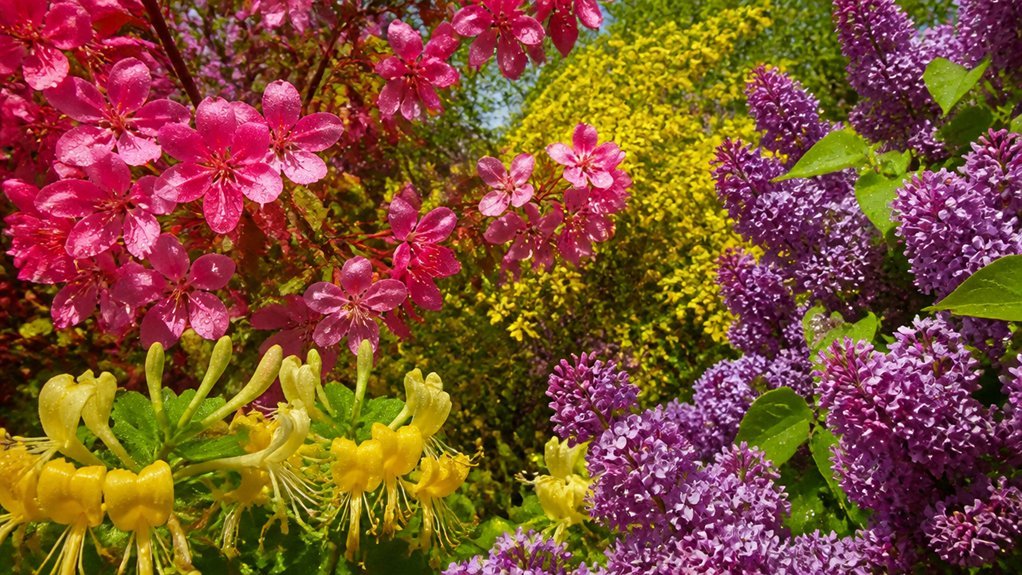
Trees and shrubs can keep nectar coming long after annual flowers fade, giving your Zone 8 forage garden a steadier food source across the season. You’ll help bees, butterflies, and other pollinators by adding layered blooms from spring through fall.
Choose species that offer rich pollen and nectar, plus shelter in wind and heat.
- Willow: you’ll see early buzz and relief when little else blooms.
- Crape myrtle: you’ll extend summer forage with showy flower clusters.
- Beautyberry: you’ll support late-season visitors while adding color and berries.
Mixing these plants gives your garden rhythm and resilience. You’re not just feeding insects; you’re building a living pantry that feels alive, generous, and full of movement.
How to Plant Bee Forage in Zone 8
To get bee forage established in Zone 8, start by matching each plant to the light, soil, and moisture it prefers so it can root in quickly and bloom well.
Prepare the bed by loosening the topsoil, mixing in compost, and removing weeds that compete for water and space.
Plant in early spring or fall, when temperatures are mild and roots can settle before stress hits. Space seedlings so air moves freely between them, and water deeply after planting to encourage strong roots.
Mulch lightly to hold moisture and moderate soil temperature, but keep mulch off stems.
During the first season, water when the soil dries out, then reduce irrigation as plants establish.
Deadhead spent blooms to extend flowering and keep nectar coming for bees throughout the season.
Bee Plants to Skip
Not every flowering plant earns a spot in a bee-friendly Zone 8 planting. You’ll protect pollinators by skipping blooms that trap, starve, or mislead them.
Avoid heavily double-flowered ornamentals, because they hide nectar and pollen behind extra petals. Skip treated plants drenched in systemic pesticides; bees can’t survive that exposure. Leave out sterile hybrids that look pretty but offer little food.
- Double petunias — they may bloom, but bees can’t reach much reward.
- Pesticide-laced roses — they put your whole forage patch at risk.
- Sterile marigolds — they add color, not dependable nutrition.
When you choose better plants, you make every visit count. Your garden becomes safer, and bees spend less energy searching for real forage.
Design a Year-Round Bee Garden
A thriving bee garden in Zone 8 works like a relay team, with each season handing off nectar and pollen to the next. You should layer plants so something blooms from late winter through fall.
Start with crocus, rosemary, and willow for early bees, then add lavender, salvia, blanket flower, and native coreopsis for spring and summer. In late summer, keep zinnias, bee balm, and goldenrod feeding hives before frost.
Mix heights, cluster each species in drifts, and place flowering herbs near paths so you’ll notice pollinators daily. Choose sunny spots, well-drained soil, and avoid pesticides.
Leave some bare ground, stems, and leaf litter for nesting bees. If you stagger bloom times, you’ll build a resilient, productive forage garden all year.
Frequently Asked Questions
Which Zone 8 Forages Support Honey Production Best?
You’ll boost honey production most with clover, alfalfa, sainfoin, borage, buckwheat, and sunflower. They give abundant nectar and pollen, bloom reliably, and help your bees build strong colonies through the season.
How Much Sunlight Do Bee Forage Plants Need in Zone 8?
You’ll get best bloom and nectar from bee forage plants with 6–8 hours of direct sun daily. Some tolerate partial shade, but you’ll see fewer flowers, weaker growth, and less honey production overall.
Which Forage Plants Tolerate Drought in Zone 8?
You can grow drought-tolerant forage plants like white clover, bird’s-foot trefoil, chicory, sainfoin, crimson clover, yarrow, and cowpeas in Zone 8; they’ll handle heat and dry spells once established, especially with well-drained soil.
Can Bee Forage Plants Grow Well in Container Gardens?
Yes, you can grow bee forage plants in containers if you give them enough sun, good drainage, and regular water. You’ll need larger pots for deeper roots, and you can deadhead blooms to keep flowers coming.
How Do I Protect Forage Blooms From Deer and Rabbits?
You can protect forage blooms by fencing, row covers, or deer-resistant netting, and you should raise pots off the ground. Also, spray repellents, remove hiding spots, and reapply deterrents after rain.
In Summary
With the right mix of trees, shrubs, flowers, and seasonal bloomers, you can keep your Zone 8 bees fed almost all year. Focus on staggered flowering times, native plants, and easy access to water, and you’ll give your hive the steady nectar and pollen it needs to stay strong. Skip invasive or heavily treated plants, and build your garden with bees in mind. A little planning now can mean healthier bees and better honey later.