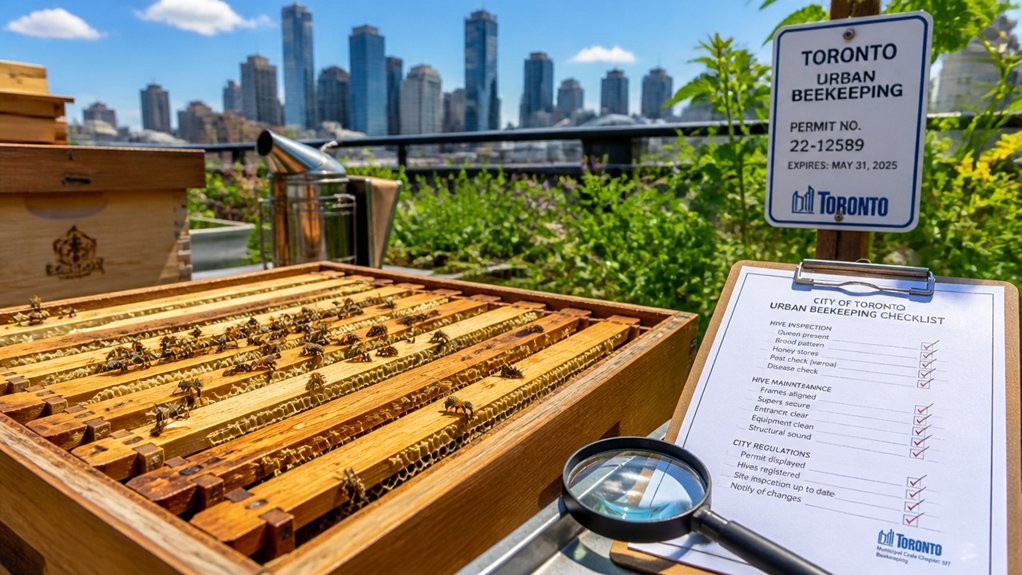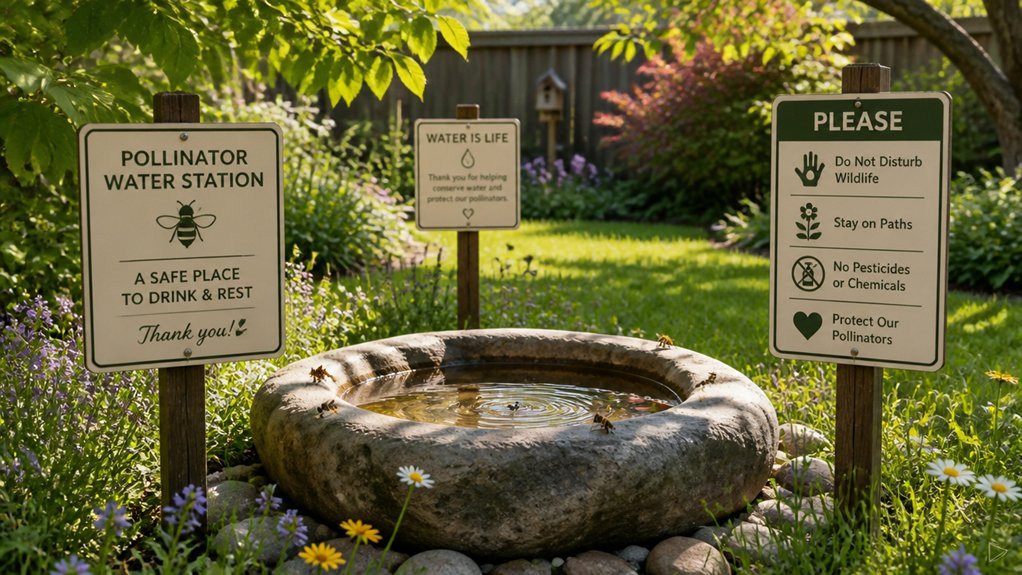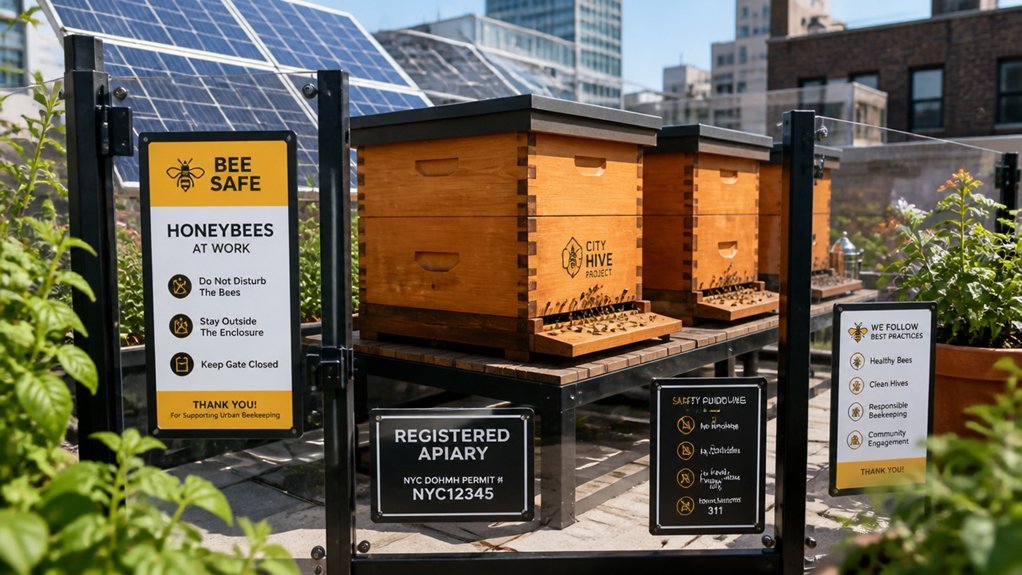
Urban beekeeping insurance helps you protect your hives, equipment, and liability if a sting, swarm, theft, fire, or weather loss happens. Many cities require proof of coverage before they issue or renew a permit, and your policy should name beekeeping activities, match your hive address, and carry enough liability limits. You should also check zoning, setbacks, and permit deadlines, because rules vary. Keep your documents current, and you’ll be ready for the details that matter most.
What Urban Beekeeping Insurance Covers

Urban beekeeping insurance usually covers the risks that come with keeping hives in a city, including property damage, bodily injury, and legal claims if someone gets stung or a swarm causes trouble.
You can also get protection for hive equipment, honey losses, and damage caused by fire, theft, vandalism, or severe weather. Some policies extend to your liability if bees escape and affect neighbors, pets, or nearby businesses.
If you host visitors or sell honey, you might need extra coverage for accidents tied to your activities. You should read the policy limits closely, because coverage can vary by insurer and by how many hives you keep.
When you compare plans, focus on exclusions, deductibles, and whether the policy matches your rooftop or backyard setup. Proper hive protection measures, such as robbing screens, are essential for managing hive health and security.
Why Cities Require Beekeeping Insurance
Cities require beekeeping insurance because you can still face public liability claims if a swarm stings someone or causes an accident. It also helps protect your property and your neighbors if your hives, equipment, or bees create damage or disruption. By carrying coverage, you’re showing that you can keep urban beekeeping safe and responsible. Additionally, proper insurance supports the use of protective gear like suits and gloves, ensuring comprehensive safety during hive management.
Public Liability Risks
When you keep bees in a dense neighborhood, even a well-managed hive can create public liability risks that cities can’t ignore. If someone gets stung while walking past your apiary, or a visitor reacts badly, you may face claims for medical costs, lost time, or other damages.
You’re also responsible for showing that you took reasonable steps to manage the hive safely, because city officials expect you to reduce exposure to the public. Insurance helps you handle these claims without putting your personal finances at risk. It also gives regulators confidence that you can operate responsibly in shared spaces.
In short, public liability coverage protects you when your bees interact with people you don’t know, and it’s one reason urban beekeeping rules often require proof of insurance. Additionally, using protective beekeeping suits and following safety practices can further minimize accidents and demonstrate your commitment to responsible apiary management.
Property And Neighbor Protection
Even if your hives are carefully placed, bees can still affect nearby property and neighbors in ways that are hard to predict. You’re responsible if swarms settle in a neighbor’s yard, someone gets stung, or bees cluster on siding, patios, or cars. Urban beekeeping insurance helps you cover cleanup, repair, and complaint costs before a small issue turns into a city dispute. A synthetic Nasonov pheromone blend used in lures can attract scout bees from a distance, increasing the likelihood of unexpected swarms beyond your control.
Insurance Rules for Your City
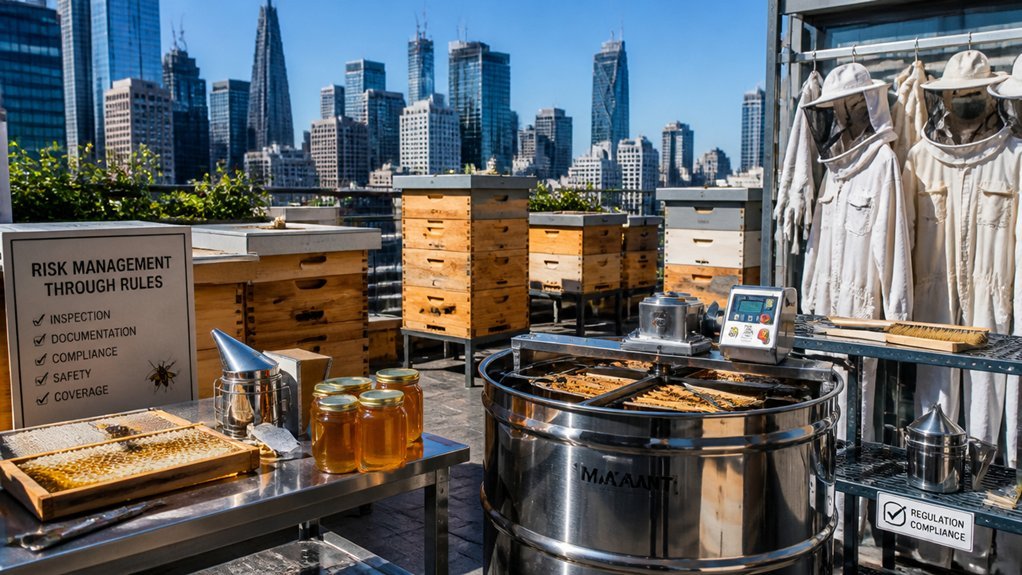
Your city may require a beekeeping permit before you can get insured, so check the local rules first. You’ll also need to meet any liability coverage minimums your city sets for urban hives. Don’t forget local zoning limits, since they can affect where you keep your bees and whether your policy stays valid. Additionally, familiarizing yourself with beehive kit options can help ensure you choose the right setup compliant with local regulations.
City Permit Requirements
Before you place a hive in the city, check whether your permit rules require proof of insurance, since many local governments tie beekeeping approval to liability coverage.
You’ll usually need to show your permit office that you’ve met local paperwork steps before they’ll issue or renew your beekeeping permit. Read the application closely, because cities often want different documents, fees, and inspection details.
- Verify the zoning district
- Confirm the permit deadline
- Gather insurance documents
- Track renewal dates
- Keep copies for inspections
If you skip a required form, your permit can stall. When you stay organized, you make approval easier and keep your hives legal. Always check the city website or call staff, because rules can change without much notice. It’s also important to consider beekeeping insurance coverage to protect against potential liabilities.
Liability Coverage Minimums
How much liability coverage does your city require? You’ll need to check the exact minimum before you buy a policy, because cities often set different limits for urban hives.
Many require proof of general liability coverage that can pay for bodily injury, property damage, or legal claims tied to your bees. If your city sets a floor, make sure your policy meets or exceeds it, and keep documentation ready for permit renewals.
Ask your insurer to name your beekeeping activity specifically, so the coverage clearly applies to your hives. If you expand your apiary or add hives, review the policy again. A gap in coverage can leave you personally responsible for damages, fines, or defense costs after an incident. Particularly, understanding the wood material quality of your hive can influence insurance claims related to structural damage or hive health issues.
Local Zoning Limits
Even if your insurer offers strong liability coverage, local zoning rules can still affect whether your bees are allowed at all. Check your city’s ordinances before you buy a policy, because zoning can shape where you keep hives, how many you can place, and whether you need setbacks, fences, or permits.
If you ignore these limits, your insurer may still pay a claim, but you could face fines or be forced to remove the colony.
- Confirm residential beekeeping is permitted
- Review lot size and distance rules
- Ask about rooftop and balcony restrictions
- Verify notification or registration requirements
- Match your policy to city compliance rules
You should also document inspections and approvals, since proof of compliance can help if a claim gets questioned later. Additionally, understanding the frame and foundation details can ensure your colony remains healthy and compliant with local regulations.
How Much Urban Beekeeping Coverage You Need
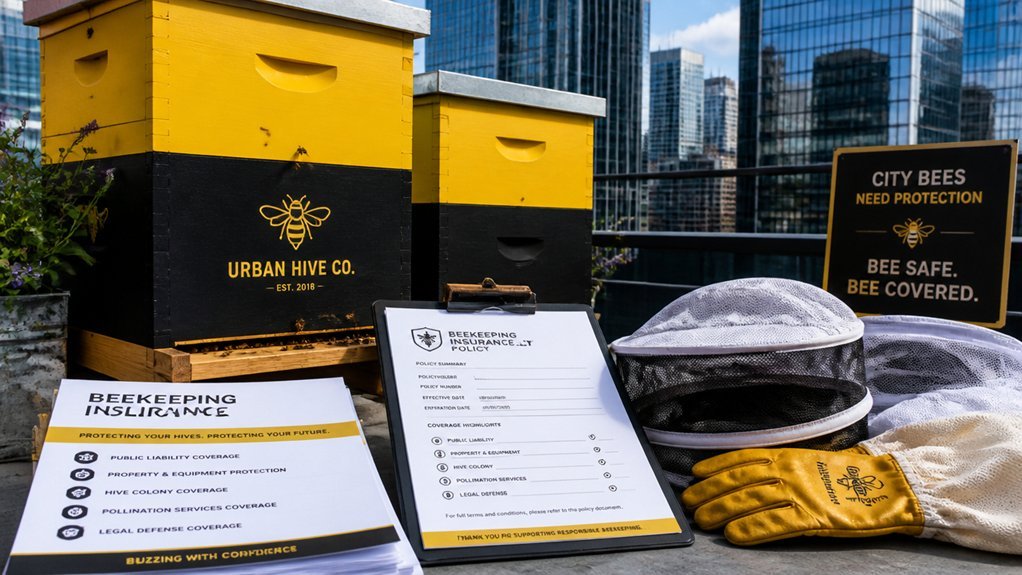
Figuring out how much urban beekeeping coverage you need starts with the risks around your hives, your property, and any public interaction. You should total the replacement value of hives, colonies, tools, extractors, and storage equipment, then add enough for seasonal losses or theft.
If you keep bees on a roof, balcony, or shared lot, consider higher property limits because access issues can make repairs pricier. You’ll also want enough coverage to match the size of your operation, especially if you expand or split colonies.
Review your homeowner or renter policy first, since it may leave gaps for beekeeping gear. Ask your insurer for limits that reflect today’s prices, not last year’s estimates. That way, you won’t underinsure your apiary or overpay for protection you don’t need. Additionally, understanding the durability and material quality of your hives can help determine the appropriate coverage for potential damages.
Liability Risks Your Policy Should Cover
Your urban beekeeping policy should protect you against the liability risks that come with keeping hives near neighbors, visitors, and public spaces. You need coverage that responds when your bees injure someone, damage property, or trigger a complaint that turns into a claim.
Make sure your policy includes:
- Bodily injury from stings
- Legal defense costs
- Property damage to nearby homes
- Injuries to guests on your lot
- Incident claims tied to hive activity
You also want protection if swarms or hive access create an accident at your apiary. Ask whether your limits fit your setup, because a single incident can get expensive fast. Strong liability coverage helps you keep beekeeping confidently, without putting your finances at risk when something goes wrong. It’s also important to consider mouse guards and other protective measures, which can reduce the likelihood of pest-related issues turning into liability claims.
What Apiary Policies Usually Exclude
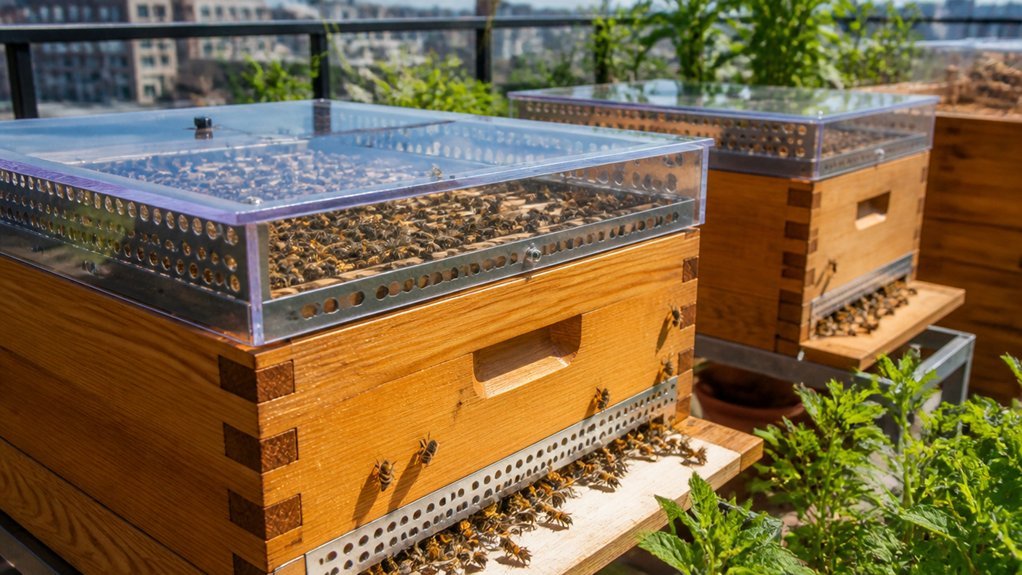
Apiary policies don’t cover every beekeeping loss, so you need to know where the gaps are before you rely on the policy. You’ll often find exclusions for poor maintenance, neglect, and diseases that spread because you missed inspections. Many plans also skip losses from intentional acts, illegal placement, or bees you moved without approval. Theft can be limited, and some insurers won’t pay for gradual damage or lost honey sales.
| Common exclusion | What it means |
|---|---|
| Neglect | You skipped routine care |
| Disease | Hive illness wasn’t insured |
| Business loss | Missed honey income isn’t paid |
Read your wording carefully, because one excluded event can leave you paying out of pocket when your hives need help.
How to Show You’re Covered in Your City?
So, how do you prove you’re covered when city rules or landlords ask for it? You keep clear proof ready and easy to share. Ask your insurer for a current certificate of insurance with your name, address, and policy dates. Match it to the hive location and the coverage limits your city wants.
Then save a digital copy and a printed backup.
- Certificate of insurance
- Policy declarations page
- Insurer contact details
- Hive address and owner name
- Renewal notice showing active coverage
If a permit office asks, send the document set by email or upload portal. If a landlord wants confirmation, include the insurer’s phone number so they can verify it quickly. Keep your wording simple, factual, and current.
How to Keep Your Coverage Compliant
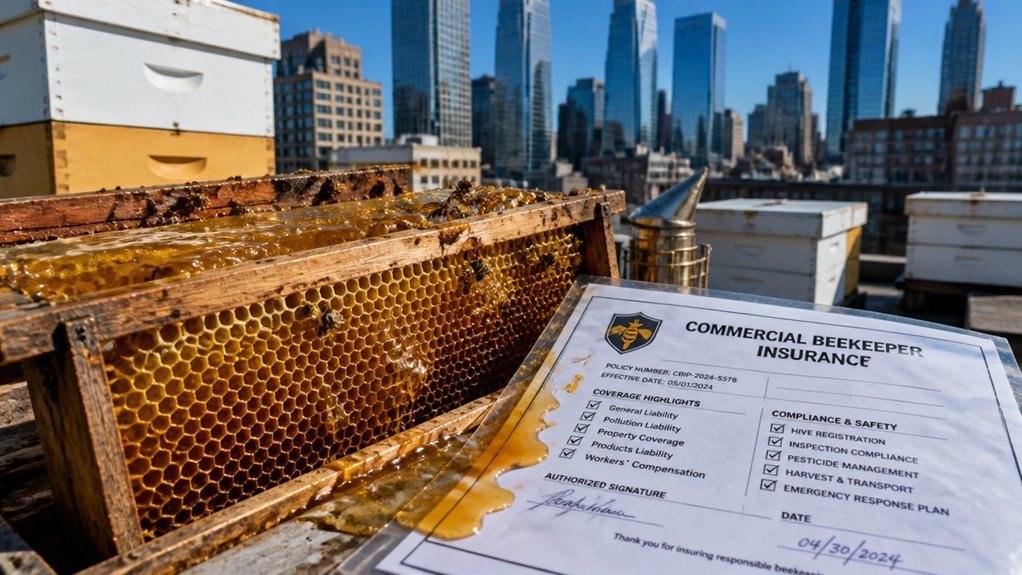
To keep your coverage compliant, review your policy every year and whenever you add hives, move equipment, or change locations. Check that your insurer still matches your actual risk, especially if you keep bees near apartments, schools, or shared rooftops.
Review your policy yearly and after any hive, equipment, or location changes.
Tell your agent about new hive counts, equipment storage, swarm removal, and any structure you use for extraction or wintering. Follow local ordinances on setback, signage, inspections, and registration, since violations can weaken a claim.
Keep photos, permits, and maintenance records in one file so you can prove you’ve met policy terms. If a neighbor complains or an incident occurs, report it fast and answer questions honestly.
Staying proactive helps you avoid gaps, denials, and costly surprises.
Frequently Asked Questions
Can I Insure Bees Kept on a Rooftop Terrace?
Yes, you can insure bees kept on a rooftop terrace, but you’ll need a policy that covers beekeeping liability, property damage, and local rooftop restrictions. Check your insurer, since some exclude urban hives.
Does Insurance Cover Honey Theft From My Hive?
Usually, you won’t get coverage for honey theft from your hive unless your policy specifically includes theft or vandalism. You should check your policy wording, report losses promptly, and ask your insurer about endorsements.
Are Temporary Beekeeping Events Insured Under My Policy?
Usually, you’re covered only if your policy explicitly includes temporary beekeeping events. You should check your endorsements, limits, and exclusions, because many standard policies don’t automatically cover one-off public demonstrations or pop-up hive activities.
Can My Policy Cover Damage Caused by Wild Swarms?
Yes, your policy might cover damage from wild swarms if you can show the bees were tied to your insured activity. You’ll need to check exclusions, limits, and report the incident promptly.
Do I Need Separate Coverage for Selling Honey Products?
Yes, you’ll likely need separate coverage for selling honey products, because standard bee policies often don’t cover product liability. You should check whether your insurer includes processing, labeling, and retail sales risks.
In Summary
Urban beekeeping can be rewarding, but you need the right insurance to stay legal and protected. Check your city’s rules, confirm your liability limits, and make sure your policy covers the risks your apiary creates. Keep proof of coverage handy, because many cities want to see it before you can keep hives. Review your policy each year so you stay compliant as your beekeeping setup grows or changes.