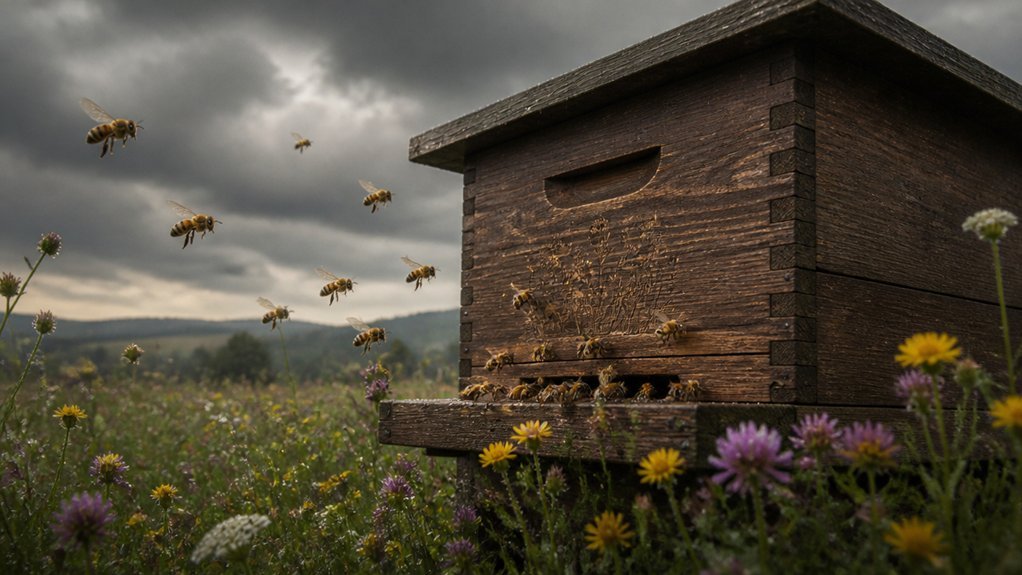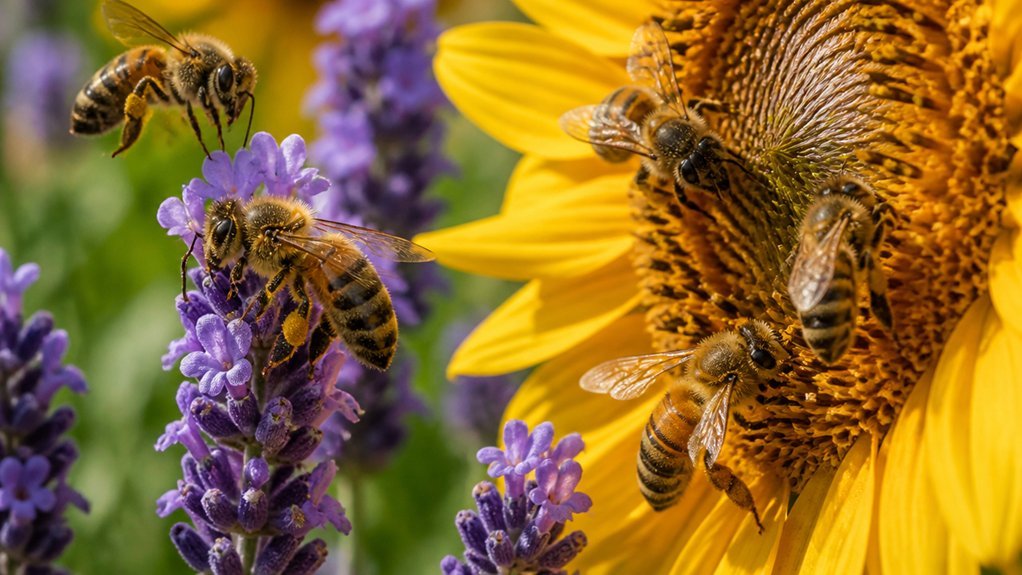
Drones matter because they make queen mating possible, and without mating, your colony can’t produce healthy, fertilized workers. They also bring genetic diversity, which helps bees resist disease, adapt to stress, and stay resilient through changing weather and forage. You’ll usually see more drones in spring and early summer, when colonies have enough food and warmth to support them. Keep going, and you’ll see how their role shapes the whole hive.
What Drone Bees Do in the Colony?
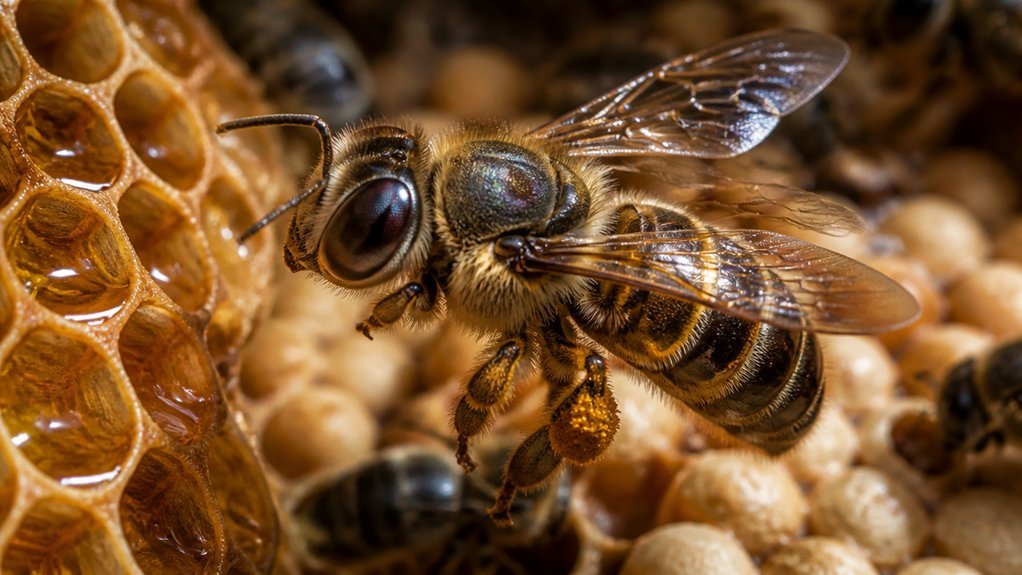
Drone bees play a narrow but important role in the colony: their main job is to mate with a queen from another hive. You won’t see them collecting nectar, building comb, or guarding the entrance.
Instead, they spend most of their time eating honey, resting, and waiting for warm flying weather. Their large eyes help them spot queens in the air, and their bodies support strong flight. Inside the hive, you may notice workers feeding them while they stay near the brood nest.
Drones don’t have stingers, so they can’t defend the colony. Even so, they help keep the colony’s future on track by filling one specific biological role that workers and the queen can’t perform alone. The queen’s mating process depends heavily on drone fertility and health.
Why Drone Bees Matter for Queen Mating?
A colony needs drones because a queen can only mate in the air, outside the hive, and she needs sperm from multiple males to lay fertilized eggs for the rest of her life. You help guarantee that mating happens at the right moment, when the weather is warm and flights are safe.
Drones gather at mating sites and give the queen many chances to complete successful flights.
- They provide enough partners for a strong mating flight.
- They let the queen mate quickly before she returns home.
- They support her ability to begin laying fertilized worker eggs.
- Ensuring sufficient drone numbers is vital for queen mating success and overall colony health.
Without drones, you’d risk a queen that can’t finish mating properly, which would leave the colony with fewer worker bees and a weaker start to the season.
How Drone Bees Shape Colony Genetics?
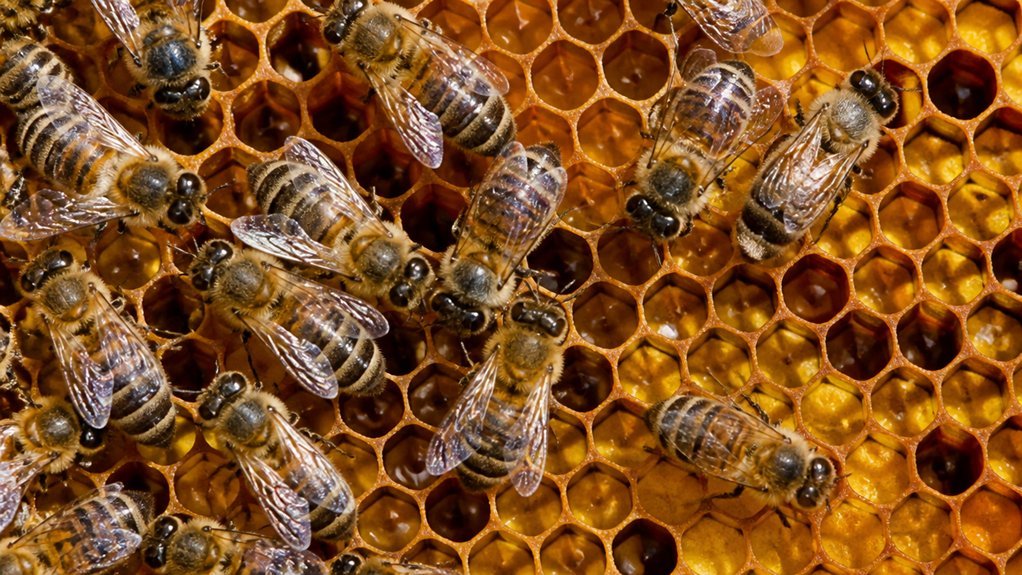
When you look at drone bee genetics, you see how each male passes on traits that can influence the whole colony. Their wide mating flights increase diversity, so the queen stores sperm from multiple drones and raises a more genetically varied workforce. A diverse gene pool is essential for maintaining colony resilience, helping it adapt to disease, stress, and changing conditions.
Drone Bee Genetics
Because they don’t collect pollen or nectar, drone bees still play a major genetic role in a colony by passing their genes to future generations. When you look at a hive, you’re seeing one set of genes spread through workers and queens alike.
Drones carry only one copy of each chromosome, so they help keep the colony’s genetics varied and adaptable.
One way they do this is through probiotic microflora, which supports genetic diversity and overall hive health.
- You inherit half a queen’s traits through a drone.
- You influence brood health by adding new gene combinations.
- You strengthen resilience when diverse genetics meet environmental stress.
If a colony lacks enough drone contribution, it can become too similar genetically, which may reduce flexibility over time. By supporting reproduction, drones help you maintain a stronger, more balanced bee population.
Mating Flight Diversity
Out in the air, drone bees help shape colony genetics through mating flights, where queens meet multiple males and store that sperm for future brood. You can think of each flight as a genetic mixing event, because drones from different colonies bring different traits into the queen’s stored supply.
That diversity matters when workers develop, since the colony benefits from a broader spread of inherited traits. You’ll also see why timing and flight conditions matter: drones must be healthy, strong, and ready when queens leave the hive.
If few drones succeed, the mating pool shrinks. When many drones participate, the colony gains a wider genetic range that can support better resilience, steadier brood production, and stronger adaptation to changing conditions across seasons and forage patterns.
Queen Genetic Diversity
Queen genetics depend heavily on the drones she mates with, since each successful flight adds new DNA to her stored sperm and, in turn, to the workers she’ll produce. You get a stronger colony when she mates with many unrelated drones, because their genes mix and widen the brood’s traits.
- More diversity can improve disease resistance.
- Mixed genetics can boost behavior flexibility.
- Varied workers often handle changing conditions better.
- Carefully selecting compatible drone types can further enhance frame stability and comb quality within the hive.
When you limit drone variety, you narrow the colony’s options and raise the risk that one weakness spreads through the hive. By contrast, broad mating helps the queen create workers with different strengths, from foraging to brood care. That genetic spread gives you a more adaptable colony and a better chance of surviving stress.
When Drone Bees Appear in the Hive?
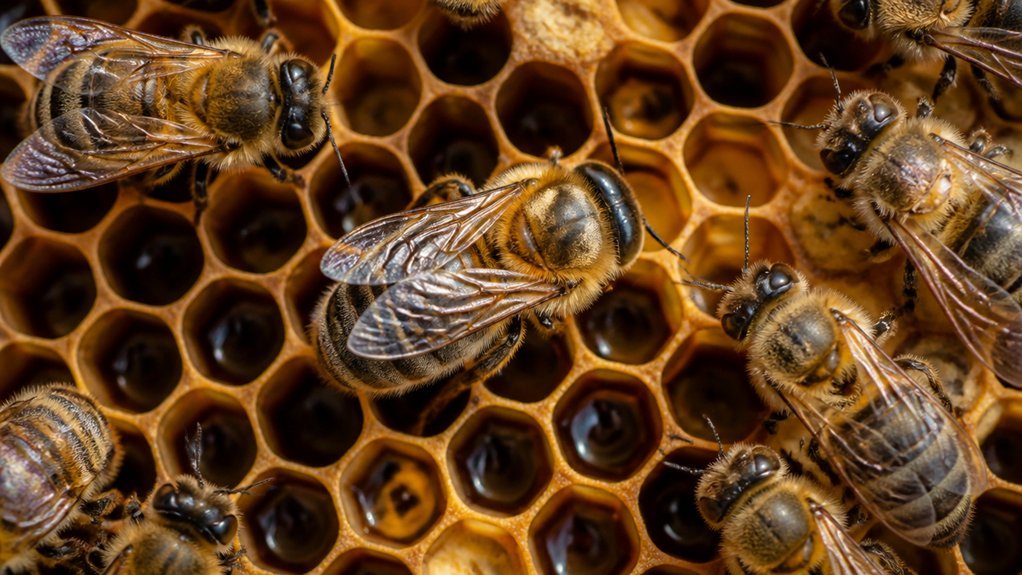
Drone bees usually appear in a colony when spring and early summer bring steady food and warmer weather. You’ll notice them after the hive has enough nectar and pollen to support extra mouths.
At that point, worker bees raise drone brood from unfertilized eggs in larger cells, and the developing males emerge after a longer growth period than workers do. Their numbers rise as the colony prepares for mating season, since mature drones help spread the queen’s genetics beyond the hive.
You’ll often see more drones when colonies are strong, resources are abundant, and the season favors reproduction. As autumn approaches, you’ll usually see fewer drones because the hive no longer needs to support them. Proper hive size and structure, including suitable wood material, also influence drone population dynamics throughout the season.
Drone Behavior in the Hive
Inside the hive, drones spend much of their time moving slowly, waiting for feeding, and conserving energy for their main job: mating with a queen from another colony.
You’ll notice they don’t build comb or gather nectar; instead, they conserve strength and stay near the brood area or other warm spaces. Their bodies stay large, their eyes stay keen, and their flight muscles develop for one purpose.
- You see drones eat more than workers because they don’t forage.
- You’ll find them clustering calmly, not handling hive chores.
- You can expect them to launch on warm afternoons when mating flights occur.
Their behavior stays simple, focused, and temporary. They’re built for one season of readiness, then they vanish from the hive’s daily rhythm.
Additionally, their stamina and flight control are crucial for successful mating flights, which is why their flight muscles are highly developed during this period.
How Worker Bees Treat Drones?
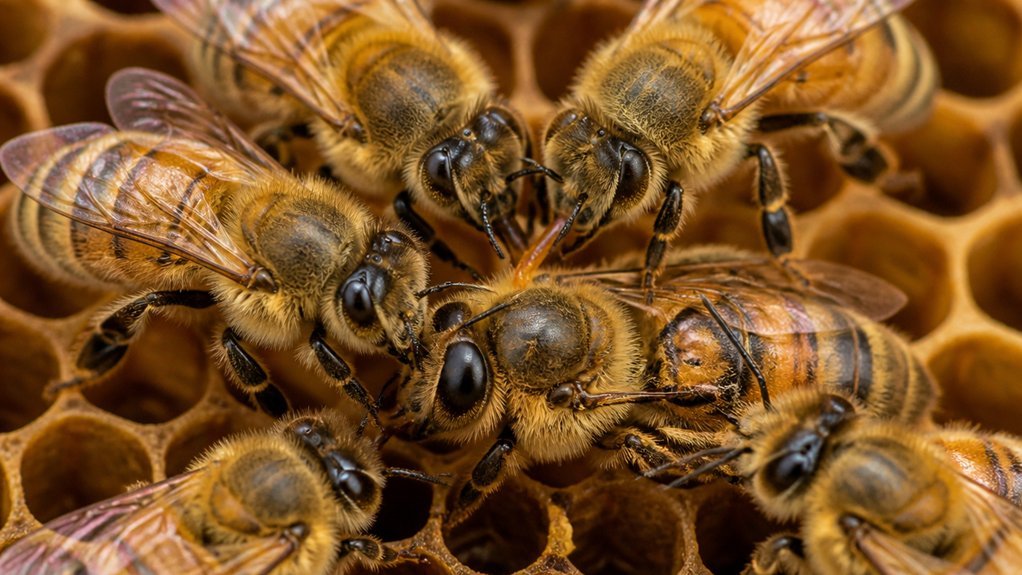
Worker bees don’t treat drones like regular household members; they feed them, tolerate them, and then push them out when the colony no longer needs them. You can see a clear social contract: drones get care, but they don’t get equal standing. Workers groom them, let them move through the hive, and cluster around them when conditions stay calm. When seasons shift, they stop protecting them and drive them away. Additionally, the effectiveness of attracting drones can be enhanced by using specific swarm lures, which mimic scout bee signals to guide them toward new colonies.
What Drone Bees Eat and Why It Matters?
Drone bees mostly eat nectar and pollen, which give you the energy and nutrients they need to stay active. You’ll also see that these food sources support their development and overall strength. Good nutrition matters because it helps drones stay healthy enough for mating flights. Proper protein support from these sources is especially important during times of forage scarcity to ensure drones can maintain their vitality.
Drone Diet Basics
What do drone bees actually eat, and why does it matter? You should know that drones don’t forage, so worker bees feed them inside the hive. Their diet mainly comes from honey and brood food shared by nurses, giving them the energy to fly, mate, and stay healthy.
If you understand this, you can see why colony care matters. Maintaining optimal nutrition, including appropriate protein levels, is essential for healthy drone development and ensuring their reproductive roles are fulfilled.
- Energy fuel: you need enough carbohydrates to power flight.
- Growth support: you rely on protein-rich brood food early on.
- Colony function: healthy drones help support successful reproduction.
When food is steady, drones develop properly and remain ready for mating flights. If food gets scarce, their strength drops fast, and the colony loses reproductive potential.
Nectar And Pollen Sources
Nectar and pollen are the main foods that keep a colony’s drones fueled and developing well. You’ll see them depend on worker bees that gather floral nectar and pack pollen from blooming plants into the hive.
Nectar gives quick energy, while pollen supplies protein, fats, vitamins, and minerals that support growth and body maintenance. Because drones don’t forage for themselves, your colony needs steady access to diverse flowers nearby.
When blooms are scarce, workers may thin their feeding, and drone development can slow. You can improve conditions by keeping forage-rich plants around the apiary and avoiding pesticide exposure.
Good nectar and pollen intake helps drones stay strong, active, and ready for their place in the hive, so food sources matter every day.
Nutrition’s Role In Mating
Good nutrition shapes a drone’s ability to mature, fly, and mate successfully. You help drones by understanding that they rely on rich, energy-packed foods during development.
Worker bees feed them royal jelly early, then pollen and honey keep them growing strong. That diet fuels muscle growth, brain function, and the stamina needed for mating flights.
If nutrition falls short, drones may leave the hive weak, sluggish, or unable to compete for queens.
- Protein builds tissues and supports growth.
- Carbs supply quick flight energy.
- Micronutrients support healthy sperm and fertility.
When you protect food quality in the colony, you boost drone performance and improve the chances of successful mating.
How Drone Bees Affect Hive Productivity?
When you look at a hive, drones may seem like idle passengers, but they still shape productivity in important ways. You don’t get honey from them directly, yet they influence how well the colony reproduces and survives. By mating with queens, drones help preserve strong genetics, which supports healthy worker force and steady foraging.
A colony with viable drones can replace an aging queen faster, reducing disruption and lost brood cycles. You’ll also notice that drones consume food and space, so workers must balance their care against hive needs. That tradeoff matters because healthy reproduction keeps the colony stable.
In practice, drones support long-term productivity by ensuring the hive can renew leadership, maintain population strength, and stay competitive when conditions change.
Why Colonies Raise More Drones in Spring?
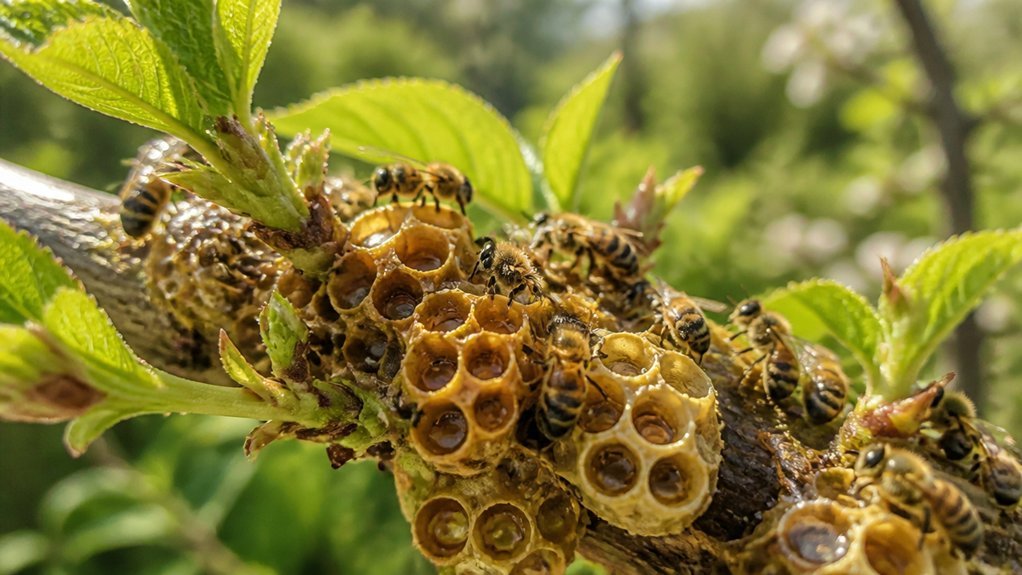
Spring brings the colony’s strongest push for growth, so workers raise more drones to prepare for mating flights and future queen replacement. In spring, you’ll see longer days, warmer temperatures, and fresh nectar that let the hive invest energy in males.
Drones don’t gather food or defend the nest, but they’re crucial when queens need mates.
- Better weather lets drones fly farther and meet queens.
- More pollen and nectar give workers the fuel to feed them.
- Seasonal timing guarantees mature drones are ready when new queens emerge.
You’re watching the colony balance growth with reproduction, so spring drone production fits the hive’s wider plan.
What An Oversupply of Drones Means?
Too many drones usually signal that the colony is spending heavily on reproduction, often at the expense of worker numbers and stores. When you see this imbalance, you’re looking at a hive that may be prioritizing mating over foraging, brood care, and comb building.
Drones don’t collect nectar or pollen, so a high drone count can reduce the colony’s productive strength. You may also notice slower growth because fewer workers handle feeding larvae, regulating temperature, and defending the nest.
In a strong colony, drones have a role, but they shouldn’t dominate the population. If they do, the hive can become less efficient and more vulnerable during dearths or bad weather, when every worker matters and resources run tight.
Managing Drones in Backyard Hives
In your backyard hive, you need to keep drone numbers in balance so they don’t strain food stores or crowd out workers. You can do that by watching the colony’s size, brood pattern, and seasonal needs, then letting the hive raise only as many drones as it can support.
Healthy drones should look strong, active, and well-fed, with no signs of disease, injury, or poor development.
Drone Population Control
How do you keep drone numbers useful without letting them overwhelm a backyard hive? You manage space, season, and colony balance. Drones help with mating flights, but too many can drain food stores and crowd comb.
In your hive, you can:
- Keep brood space available for workers by avoiding excess drone comb.
- Reduce swarm pressure by giving bees room to expand.
- Watch nectar flow, since lean periods often trigger drone reduction.
You don’t need to remove every drone; you just want a colony that invests in them wisely. When your hive has enough workers, good forage, and steady brood care, drone numbers usually stay in check. That balance keeps the colony efficient without sacrificing its natural breeding role.
Identifying Healthy Drones
Healthy drones are easy to spot once you know what to look for: they’re large, broad-bodied bees with big eyes, blunt abdomens, and a heavier, slower flight than workers. You should see smooth movement, intact wings, and a clean, shiny body without mites, kinks, or missing parts.
Healthy drones stay active on warm days, walk steadily across comb, and don’t look swollen or weak. Check their eyes for symmetry and their legs for normal grip. A good drone also has a full, well-formed thorax and responds quickly when you disturb the frame.
If you notice trembling, discolored wings, or poor coordination, cull your expectations and inspect the colony for disease, nutrition issues, or queen problems that may be affecting drone quality.
How Drone Bees Affect Colony Survival?
When a colony needs to recover, drone bees play a bigger role than many people realize. You might think they only mate, but they also help your hive stay genetically strong.
Strong genetics give workers better resistance to disease, stress, and poor weather. When drones from healthy colonies mix with queens, you boost survival odds across future generations.
- They spread useful genes.
- They support mating flights and queen fertility.
- They help colonies adapt after losses.
If you remove too many drones, you can limit reproduction and weaken recovery after setbacks. You should view them as part of your colony’s long-term insurance, not just extra mouths to feed.
Frequently Asked Questions
Can Drones Sting Humans or Defend the Hive?
No, drones usually can’t sting you; they’re males with no stingers. They don’t defend the hive either. You’ll see worker bees and the queen handle defense, while drones mainly mate with queens.
How Long Do Drone Bees Live?
Drone bees usually live about five to eight weeks during active season, though you’ll see them survive longer if they’re kept safe in the hive or if winter conditions don’t force them out early.
Do Drones Ever Collect Nectar or Pollen?
No, you won’t see drones collecting nectar or pollen; they don’t forage. You’ll find them mainly mating with queens and staying in the hive, where workers feed and care for them until they die.
How Can Beekeepers Identify Drone Brood Cells?
You can spot drone brood cells by their larger, more domed cappings, often scattered in patches or along edges of comb. They’re usually capped later than worker brood, and you’ll see fewer cells per area.
Are Drones Present in All Bee Species?
No, you won’t find drones in all bee species; some species don’t have distinct male drones at all. You’ll see them mainly in honey bees and a few related species, where they help reproduce.
In Summary
So, when you look at drones, you’ll see they’re more than extra bees in the hive. They help your colony reproduce, support queen mating, and shape future genetics. You’ll also notice their numbers change with the seasons, especially in spring. While too many drones can signal stress, a healthy drone population helps your hive stay strong, adaptable, and ready for survival. In other words, drones matter more than you might think.