
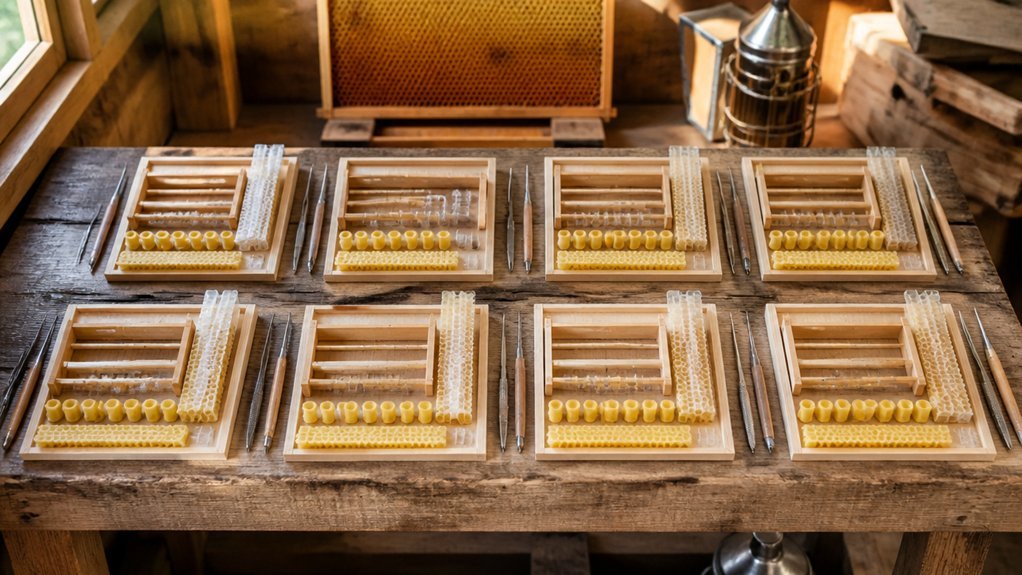
If you’re planning to raise your own queens in 2026, the right kit can make the process far easier and more reliable. You’ll find options that range from simple cell-cup sets to complete grafting systems, each with its own strengths in capacity, handling, and bee safety. The differences matter more than you might expect, especially when colony results depend on small details.
| APlayfulBee Queen Rearing Kit Complete Beekeeping System |  | Best Overall | Queen Rearing Method: No-grafting system | Cell Cup Count: 110 cups | Frame Parts: Box, bars, caps | CHECK ON AMAZON | Read Our Analysis |
| JZBZ Queen Rearing Kit,Grafting Frame Bar,Bee Cell Cups,Beekeeping Holder |  | Budget-Friendly Pick | Queen Rearing Method: Grafting frame kit | Cell Cup Count: 50 cups | Frame Parts: Side bars, holders | CHECK ON AMAZON | Read Our Analysis |
| Walfront Queen Bee Rearing Kit with 110 Cell Cups |  | Best For Beginners | Queen Rearing Method: No-grafting system | Cell Cup Count: 110 cups | Frame Parts: Bars, caps, box | CHECK ON AMAZON | Read Our Analysis |
| HunterBee Queen Rearing Grafting Kit for Beekeeping |  | Best Value | Queen Rearing Method: Grafting-based system | Cell Cup Count: 110 cups | Frame Parts: Bars, caps, box | CHECK ON AMAZON | Read Our Analysis |
| HunterBee Queen Rearing Nicot System Beehive Cups | 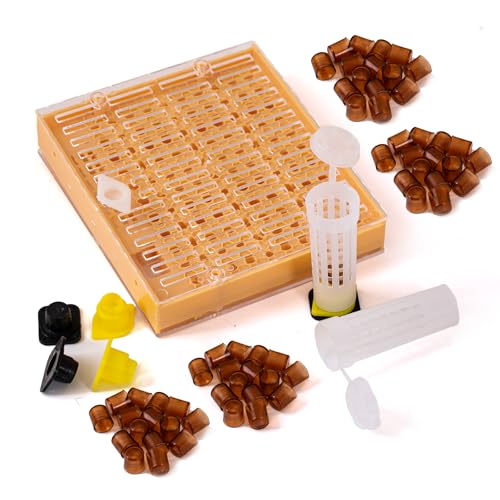 | Most Popular | Queen Rearing Method: Nicot-style system | Cell Cup Count: 110 cups | Frame Parts: Bars, caps, box | CHECK ON AMAZON | Read Our Analysis |
| Bee Queen Rearing Kit with Cell Cups |  | Best For DIY | Queen Rearing Method: Cell cup kit | Cell Cup Count: Multiple cups | Frame Parts: Frame unit, strip | CHECK ON AMAZON | Read Our Analysis |
| Lucky Farm Bee Queen Rearing Cups (20 Sets) |  | Best For Transport | Queen Rearing Method: Cage-based rearing | Cell Cup Count: 20 cages | Frame Parts: Mounts, cages | CHECK ON AMAZON | Read Our Analysis |
| SIGOLSSAEM Bee Farm Queen Cell Cups (200pcs) |  | Best Compatibility | Queen Rearing Method: Dual-use system | Cell Cup Count: 200 cups | Frame Parts: Clip-type cups | CHECK ON AMAZON | Read Our Analysis |
More Details on Our Top Picks
APlayfulBee Queen Rearing Kit Complete Beekeeping System
If you want an all-in-one system, APlayfulBee is the top overall pick for queen rearing in 2026. You can raise up to 100 queens without grafting, which keeps the process simple if you’re new to beekeeping. Your bees build natural cells from cups placed at the frame bottom, so you don’t need complicated steps. The kit includes 140+ pieces, including cups, cages, tools, clips, and doors, and you can start right away. Its food-grade plastic is durable, safe, and lightweight, making it easy to use, reliable, and cost-effective for expanding colonies or producing royal jelly.
- Queen Rearing Method:No-grafting system
- Cell Cup Count:110 cups
- Frame Parts:Box, bars, caps
- Material:Food-grade plastic
- Beginner Friendly:Beginner-friendly
- Reusable Parts:Complete kit
- Additional Feature:Raises 100 queens
- Additional Feature:No grafting needed
- Additional Feature:Royal jelly production
JZBZ Queen Rearing Kit,Grafting Frame Bar,Bee Cell Cups,Beekeeping Holder
HunterBee’s JZBZ queen rearing kit is a budget-friendly pick for DIY beekeepers. You get 2 side bars, 4 cell cup holder bars, and 50 cell cups, so you can build a complete grafting frame setup without extra parts. The kit uses good quality materials that hold up well for frame assembly, and the colorful cups make sorting easy. HunterBee lists it as the Beekeeping Tools model, and it falls under Lawn & Patio products. If you want a simple, practical queen rearing option, this kit gives you plenty to work with.
- Queen Rearing Method:Grafting frame kit
- Cell Cup Count:50 cups
- Frame Parts:Side bars, holders
- Material:Quality plastic
- Beginner Friendly:DIY assembly
- Reusable Parts:DIY components
- Additional Feature:Colorful cell cups
- Additional Feature:DIY frame assembly
- Additional Feature:HunterBee brand
Walfront Queen Bee Rearing Kit with 110 Cell Cups
Walfront’s 110-cell queen rearing kit works well if you’re new to breeding queens. You let the queen lay eggs directly into the plastic plugs, which helps you skip grafting and keeps larvae at the right age. The kit includes 110 cell cups, 12 cell bar blocks with caps, 10 cages, and a storage box. You can reuse every part except the cups. The plastic build stays safe for bees, and you’ll find the simple bottom-of-frame installation valuable. Its yellow color and beginner-friendly design make queen rearing easier.
- Queen Rearing Method:No-grafting system
- Cell Cup Count:110 cups
- Frame Parts:Bars, caps, box
- Material:Plastic
- Beginner Friendly:Beginner-friendly
- Reusable Parts:Reusable parts
- Additional Feature:Yellow color
- Additional Feature:Reusable storage box
- Additional Feature:Bottom-frame installation
HunterBee Queen Rearing Grafting Kit for Beekeeping
For beekeepers wanting value, the HunterBee Queen Rearing Grafting Kit keeps queen production simple and reliable. You get 110 cell cups, 10 cell bar blocks with caps, 10 cages, and a storage box, so you can organize each step efficiently. The lightweight, non-toxic plastic won’t harm your bees, and you can place it easily at the bottom of a hive frame. Its compact 148 x 130 x 28 mm box and 10 x 10 mm cups make handling straightforward. If you want a practical grafting kit for raising queens, this setup delivers solid utility.
- Queen Rearing Method:Grafting-based system
- Cell Cup Count:110 cups
- Frame Parts:Bars, caps, box
- Material:High-quality plastic
- Beginner Friendly:Easy to use
- Reusable Parts:Reusable components
- Additional Feature:Box size 148mm
- Additional Feature:Cup size 10mm
- Additional Feature:Compact storage box
HunterBee Queen Rearing Nicot System Beehive Cups
Beekeepers who want a simple, reliable queen-rearing setup will find HunterBee most popular. You get 110 cell cups, 10 cell bar blocks with caps, 10 cages, and a storage box in one colorful kit. The lightweight, non-toxic plastic feels easy to handle and safe for your bees. With 10 x 10 mm cups and a compact 148 x 130 x 28 mm box, you can organize your setup neatly. Use it to provide egg-laying cells for raising queens, and you’ll get dependable results with less hassle in your apiary.
- Queen Rearing Method:Nicot-style system
- Cell Cup Count:110 cups
- Frame Parts:Bars, caps, box
- Material:High-quality plastic
- Beginner Friendly:Simple to use
- Reusable Parts:Reusable components
- Additional Feature:Colorful design
- Additional Feature:Box size 148mm
- Additional Feature:Cup size 10mm
Bee Queen Rearing Kit with Cell Cups
With its 15-hole linear frame, this kit suits DIY queen rearing projects that need order and consistency. You get a stable cell bar, roll-style top and bottom cups, and a queen bee cell strip that helps you pair each cup cleanly. That means you can track multiple queen cells without confusion and record results more easily. The lightweight, reliable, non-plastic build won’t interfere with culture performance. You can incubate and breed many queens at once, while the sufficient cup quantity supports feeding, management, and efficient colony improvement.
- Queen Rearing Method:Cell cup kit
- Cell Cup Count:Multiple cups
- Frame Parts:Frame unit, strip
- Material:Lightweight material
- Beginner Friendly:User-friendly
- Reusable Parts:Long-lasting parts
- Additional Feature:15-hole frame
- Additional Feature:Linear frame design
- Additional Feature:Cell strip included
Lucky Farm Bee Queen Rearing Cups (20 Sets)
Lucky Farm’s 20-piece queen rearing cup set shines when you need safe queen transport. You get 20 queen bee cages with a black mount, yellow cage mount, and white cage. Use Nicot-compatible cell cups sized 1 x 1 x 1 cm, not JZBZ cups. You’ll secure queen cells with smaller spikes, then pin each cage to the bottom frame. Once installed, the cell hangs downward naturally, helping you raise queens efficiently. This set works well for banking and transporting queens during routine beekeeping tasks, and Lucky Farm includes everything you need in one practical package.
- Queen Rearing Method:Cage-based rearing
- Cell Cup Count:20 cages
- Frame Parts:Mounts, cages
- Material:Plastic
- Beginner Friendly:Easy mounting
- Reusable Parts:Transport cages
- Additional Feature:20 cage set
- Additional Feature:Queen transport use
- Additional Feature:Nicot-compatible cups
SIGOLSSAEM Bee Farm Queen Cell Cups (200pcs)
SIGOLSSAEM’s 200-piece queen cell cups suit you if you need versatile grafting compatibility. You can use them with both hand grafting and automatic queen rearing systems, so they fit your workflow easily. The 10mm cup size and large internal structure help support stronger queen development, while the clip-type design lets you attach and remove each cup quickly. Because they’re made from durable, flexible plastic, you can reuse them in tough apiary conditions. Designed in Korea and made by Sigolssaem Bee Farm in Vietnam, they’re a practical, beginner-friendly choice for efficient queen rearing.
- Queen Rearing Method:Dual-use system
- Cell Cup Count:200 cups
- Frame Parts:Clip-type cups
- Material:Flexible plastic
- Beginner Friendly:Beginner-friendly
- Reusable Parts:Durable reusable cups
- Additional Feature:Clip-type design
- Additional Feature:10mm large size
- Additional Feature:Black color
Factors to Consider When Choosing Queen Rearing Kits for Raising Your Own Queens
When you’re choosing a queen rearing kit, check that it includes everything you need so you can start raising queens without extra purchases. You’ll also want a grafting-free design, durable materials, and bee-safe components that protect your colony and hold up over time. Finally, make sure the kit offers enough queen cell capacity for your goals, whether you’re testing a few cells or producing more queens at once.
Kit Completeness
A complete queen rearing kit should let you start right away, so look for sets that include cell cups, cell bar blocks with caps, queen cages, grafting tools, and a sturdy storage box. When you get a kit with these core pieces, you can begin raising queens without hunting for extras. Larger kits with 100+ cell cups and several queen cages help you scale up fast and avoid extra purchases. You’ll also benefit from all-in-one sets that remove the need for separate tools, because they make setup simpler and smoother. Helpful accessories like honeycomb doors, queen clips, and grafting tools add convenience. Reusable parts and a durable storage box also pay off over time by reducing replacements and keeping your equipment organized.
Grafting-Free Design
Beyond kit completeness, you should also look at whether the system uses a grafting-free design, especially if you want a simpler way to raise queens. These kits skip traditional grafting, so you don’t have to transfer tiny larvae by hand. Instead, they often use cell cups placed at the bottom of hive frames, letting bees build queen cells naturally. That makes the process easier for beginners and less stressful for your colony. You’ll also get more consistent results because you’re relying on the bees’ own cell-building behavior. Since you won’t need advanced grafting skills, basic tools usually suffice. A grafting-free setup can help you raise many queens at once, making colony expansion and queen replacement faster and safer overall.
Material Durability
Material durability matters because you want a queen rearing kit that can handle repeated use without cracking, warping, or wearing out too soon. You should look for durable materials that resist breakage and aging, so your kit stays reliable over multiple seasons. Flexible plastic can help because it bends without snapping, letting you reuse components in different beekeeping settings. Lightweight construction also makes handling easier, and it shouldn’t weaken the kit’s structure. Choose non-toxic, food-grade plastics whenever possible, since they’re a practical standard for quality materials. Strong internal cup structures matter too, because they hold their shape and support steady queen development throughout the rearing process. When you choose well-built parts, you save money and avoid replacing worn components.
Bee Safety
When you choose a queen rearing kit, bee safety should come first, so look for non-toxic, food-grade materials that won’t harm larvae, queens, or workers. You should also favor lightweight, durable parts that won’t crack, splinter, or create sharp edges that could injure bees or disturb the colony. Pay attention to cell cup and cage design, because smooth, well-shaped components help reduce stress on the queen and attendants during rearing. If you can, pick a kit that avoids traditional grafting, since less handling means less risk for fragile larvae and better survival. You’ll also want materials that resist aging and breakage, so you can keep a clean, safe setup through multiple seasons without introducing contaminants or unnecessary stress.
Queen Cell Capacity
After safety, queen cell capacity is the next big thing to check in a queen rearing kit. You need enough space to raise the queens you want without constant resets. Some kits let you produce up to 100 queens at once without grafting, which is great if you’re scaling up fast. Check how many cell cups come with the kit, since that number limits how many queen cells you can raise each cycle; common options range from 50 to more than 140. Bigger cell cups can help develop stronger queens. Also look for enough cell bar blocks and frame bars, because they keep multiple cells stable and easier to handle. When capacity matches your goals, you’ll expand colonies and replace queens more efficiently.
Frequently Asked Questions
How Often Should Queen Cells Be Checked During Development?
You should check queen cells every 3 to 5 days early on, then daily near emergence. You’ll spot problems fast, avoid damage, and keep the cells safe while they develop properly.
Can Queen Rearing Kits Work With All Bee Species?
No, you can’t use queen rearing kits with all bee species. You’ll find them mainly suit honey bees, while bumblebees, stingless bees, and others need different methods, materials, and environmental conditions to raise queens successfully.
What Is the Best Time of Year to Start Queen Rearing?
You’ll usually start queen rearing in late spring or early summer, when colonies boom and drones are plentiful. You’ll get stronger mating success then, though you can’t rush cold weather or nectar shortages.
Do Queen Rearing Kits Require Special Hive Tools?
You don’t need special hive tools, but you’ll use standard beekeeping gear, like a smoker, hive tool, and frames. Some kits include grafting tools or cups, so check what’s bundled before you buy.
How Do You Store Unused Queen Cell Cups Properly?
You store unused queen cell cups dry, clean, and covered in a sealed container, then keep them cool and out of sunlight. Don’t crush them, and you can reuse cups after inspecting them carefully.



