Worker bee behavior changes as you age and as the colony needs shift. You start by cleaning cells, feeding larvae, and helping warm the brood, then you move on to comb building, fanning, guarding, and foraging for nectar, pollen, water, and propolis. You also help feed the queen and protect the hive from threats. In spring, summer, and winter, your jobs adjust to support survival, and there’s more to explore next.
What Worker Bees Do Daily?
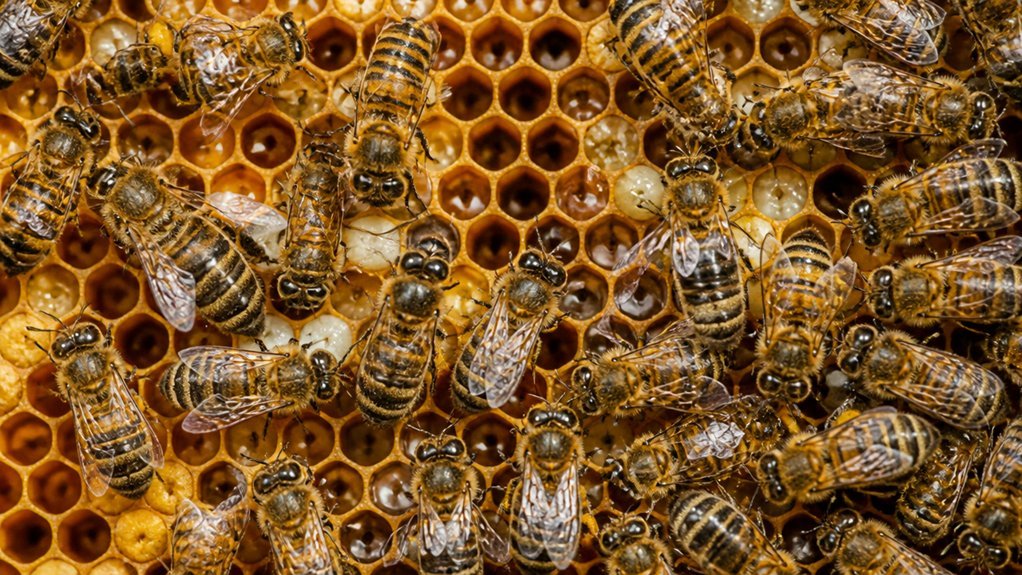
What do worker bees do each day? You’d spend your time keeping the colony running. Early on, you clean cells, remove debris, and help warm the brood area. Then you feed larvae with nectar and pollen, so they grow strong.
As you age, you take on new jobs: you build wax comb, pack away food, guard the hive entrance, and fan your wings to cool the nest. When the weather allows, you may also leave the hive to gather nectar, pollen, water, and propolis.
Each task supports the colony’s survival, and you switch roles based on what’s needed most. You don’t waste time; you work where the hive needs you, and you help the colony stay healthy, organized, and productive. Your role as a worker bee is highly specialized, adapting to the colony’s changing needs.
The Worker Bee Life Cycle
A worker bee’s life starts long before she ever cleans a cell or gathers nectar. You begin as an egg laid by the queen in a wax cell, then hatch into a larva that nurses consume constantly.
After several days, you’re sealed in a cell and transform inside the comb. This quiet stage doesn’t look busy, but it’s where your body develops for colony work.
When you emerge as an adult worker, your life is already linked to the hive’s needs. You won’t live long, so every day matters. The colony relies on your growth, protection, and labor from the moment you join it. Your life cycle shows how carefully the hive prepares each worker for service. Understanding the worker bee life cycle is essential for effective beekeeping and colony management.
How Worker Bees Change With Age
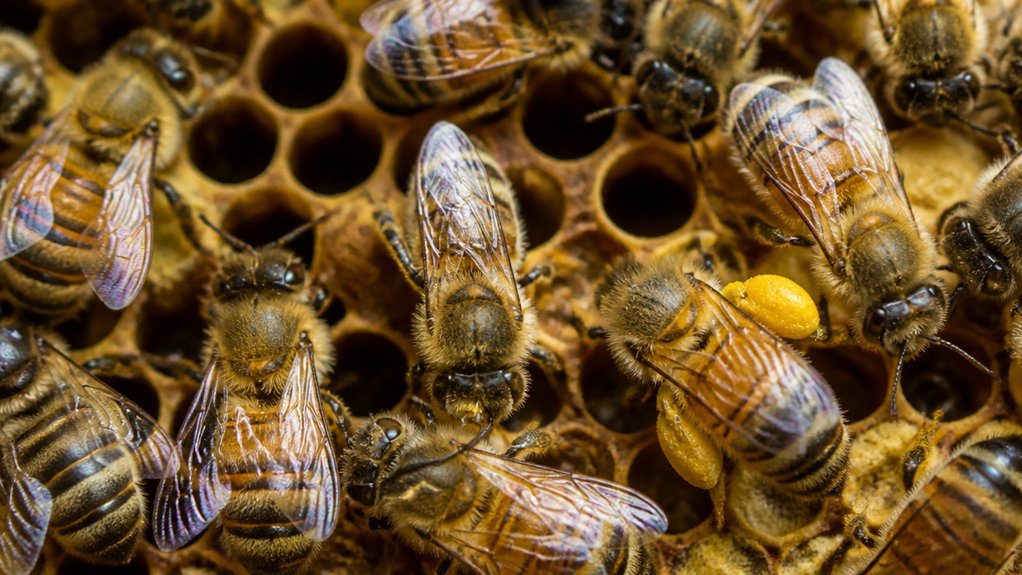
As you grow from a newly emerged worker into an older bee, your job in the hive changes in a predictable order. Early on, your body stays inside the colony, and your instincts push you toward simple, low-risk duties.
As you mature, your glands, muscles, and senses develop, and you can handle more demanding work. You don’t stay fixed in one role; you shift based on age, need, and hive conditions. Younger workers usually focus on care and maintenance, while older workers take on more specialized tasks that require greater strength and experience.
This age-based progression helps the colony stay efficient, because every stage matches your abilities. By changing responsibilities over time, you support the hive’s survival without wasting energy or exposing yourself too soon. Understanding how pollen substitutes support bee health during various life stages can further enhance colony resilience.
Worker Bee Tasks Inside the Hive
Inside the hive, you begin with the jobs that keep the colony clean, fed, and organized. You’ll sweep out debris, carry away dead bees, and move nectar to the right cells. You also fan your wings to cool the hive and help dry stored food. When combs need repair, you shape wax and seal cracks fast. Proper hive cover fit is essential to protect the hive from pests and weather, ensuring all tasks are carried out smoothly.
You keep traffic flowing by passing food, water, and materials to nestmates. Every task you do supports order, efficiency, and the hive’s daily rhythm.
Worker Bee Roles in Brood Care
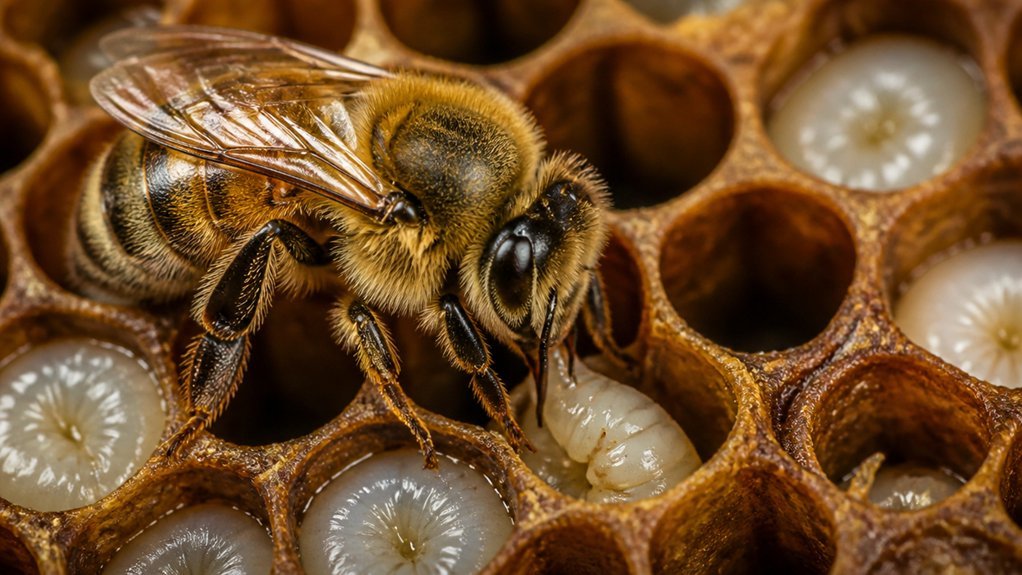
You’ll see worker bees feed developing brood with careful, steady care. They also help keep the hive at the right temperature so young bees can grow safely. Proper ventilation features, like precise openings, play a crucial role in maintaining optimal humidity and temperature within the hive.
Together, these roles support healthy brood development.
Brood Feeding Duties
Once a worker bee steps into brood care, she takes on a steady feeding duty that keeps the colony’s youngest members growing. You prepare brood food from nectar, pollen, and gland secretions, then deliver it directly to larvae with careful timing.
Each mouthful supports rapid development and helps the queen’s future workforce stay strong. Properly balanced protein sources in the diet ensure healthy brood rearing and colony growth.
- Feed young larvae often, especially when they’re small and hungry.
- Adjust the mix as larvae age, giving richer food to those that need it.
- Check each cell for active brood so you don’t waste effort.
You also watch for larvae that need extra attention and respond quickly.
Hive Temperature Control
When brood needs warmth, you help keep the nest at a steady temperature by fanning your wings, clustering around developing young, and moving to cooler or warmer spots as needed. Your body heat can raise the brood area when nights turn cold, while your wingbeats pull hot air out when the hive gets too warm. You also shift larvae to safer zones and adjust your position to protect pupae from chilling or overheating. By sensing subtle changes in the comb, you respond fast and keep conditions stable. This careful regulation supports healthy development, faster growth, and stronger adults. You also rely on screened airflow, which helps maintain optimal ventilation and temperature control within the hive. Without your constant attention, brood can weaken, slow down, or die. Temperature control isn’t a single task; it’s a shared duty you perform all day with precision.
How Worker Bees Feed the Queen
You can see that worker bees take on the queen feeding duty by keeping her supplied with food throughout the day.
Nurse bees stay well nourished so they can produce and pass along royal jelly efficiently. This royal jelly transfer helps maintain the queen’s health and supports her egg-laying role. Additionally, the presence of probiotics and beneficial microflora in their diet can enhance gut health and immune function, benefiting the entire colony.
Queen Feeding Duty
While the queen bee spends her days laying eggs, worker bees keep her fed with a steady supply of rich food called royal jelly. You can imagine this as a careful service line: workers approach, offer the food, and move aside so she can keep working.
They don’t wait for her to search; they bring nourishment directly to her.
- You see workers gather around the queen.
- They pass along royal jelly in small amounts.
- She eats often, so she stays strong and active.
This feeding duty helps the hive stay organized, because the queen rarely pauses for anything else. By serving her quickly and constantly, worker bees support the colony’s rhythm and keep egg laying on track every day.
Nurse Bee Nutrition
Nurse bees keep the queen supplied with royal jelly by feeding her directly, one careful meal at a time. You can picture them working around her in a tight circle, offering rich food that helps her stay fertile and active.
They don’t just feed her once; they respond repeatedly throughout the day, matching her needs as her body demands constant support. You’ll notice that this duty keeps the colony steady, because a well-fed queen lays more eggs and maintains stronger brood production.
If you watch closely, you can see how nurse bees prioritize the queen above all other tasks, using their own energy to sustain her. Their nutrition work isn’t random—it’s a focused service that supports the hive’s growth and continuity.
Royal Jelly Transfer
That careful feeding leads directly into the way worker bees transfer royal jelly to the queen. You watch nurses open their mandibles, then regurgitate the rich, milky food with precision. They don’t just feed her; they serve her constantly, because her fertility depends on this diet. The queen bee cages used during hive management help ensure safe and stress-free feeding exchanges, supporting healthy colony development.
Royal jelly carries proteins, sugars, fats, and hormones that help maintain queen development and activity.
- A nurse bee approaches the queen.
- She offers royal jelly mouth to mouth.
- The queen receives frequent, small meals.
You can see how this system keeps the colony organized: workers feed, the queen lays eggs, and the hive stays productive. Without this direct transfer, the queen couldn’t sustain her role, and the colony would quickly weaken.
Worker Bee Foraging and Communication
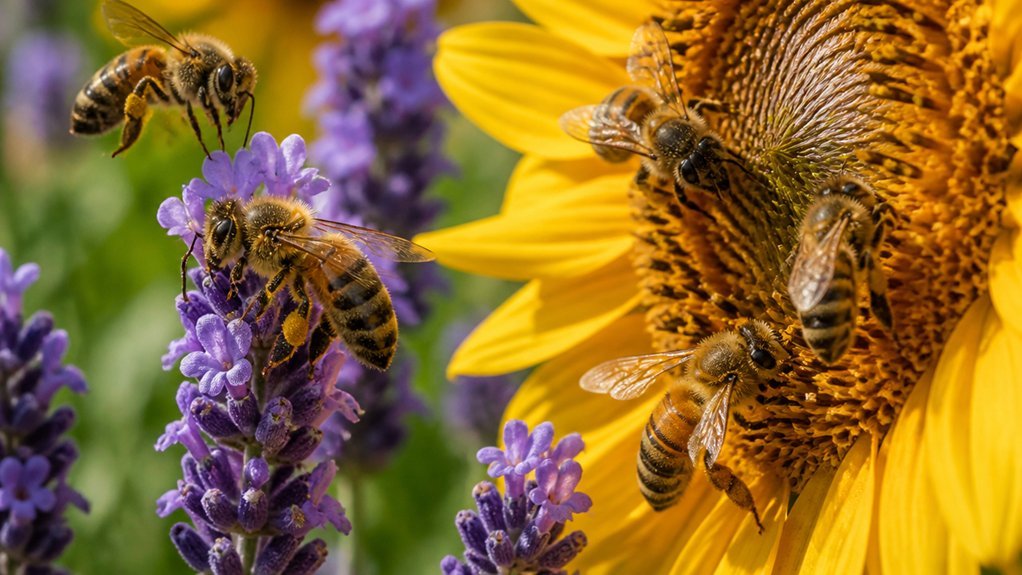
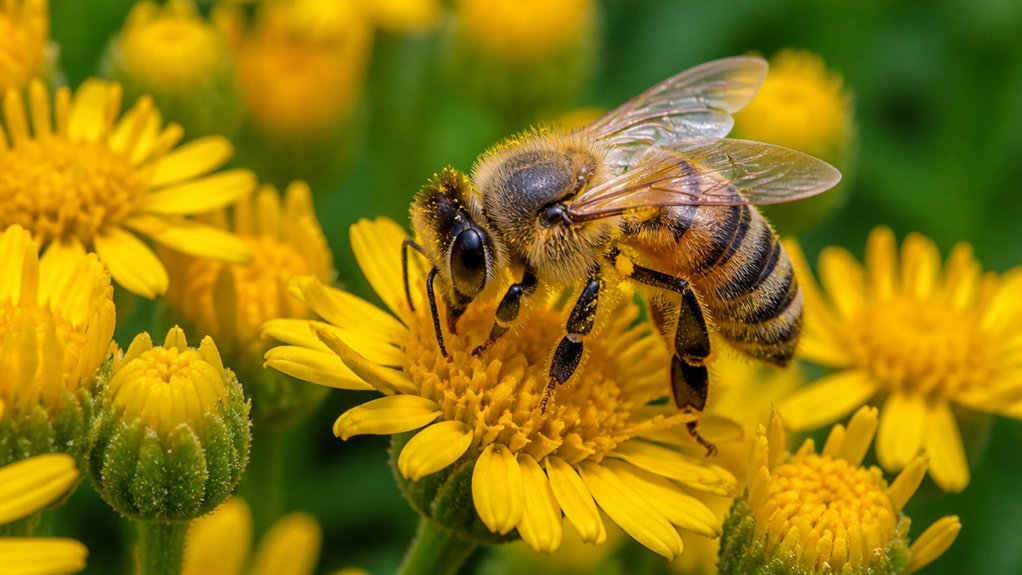
Worker bees are the hive’s gatherers, leaving the colony to find nectar, pollen, water, and propolis. You can watch them sample flowers, judge rewards, and return with loads that support brood care, comb building, and hive health.
When a forager finds a rich source, she shares its location through the waggle dance, a precise movement pattern that tells other workers the direction and distance from the sun. You’ll also notice scent cues matter, because bees recruit nestmates by carrying flower odors back to the hive.
As conditions change, they adjust routes, revisit productive patches, and ignore weak ones. This teamwork lets your colony spend less energy searching and more energy gathering what it needs. Properly formulated pheromone blends are essential for mimicking scout bee signals and effectively attracting foragers.
How Worker Bees Protect the Colony
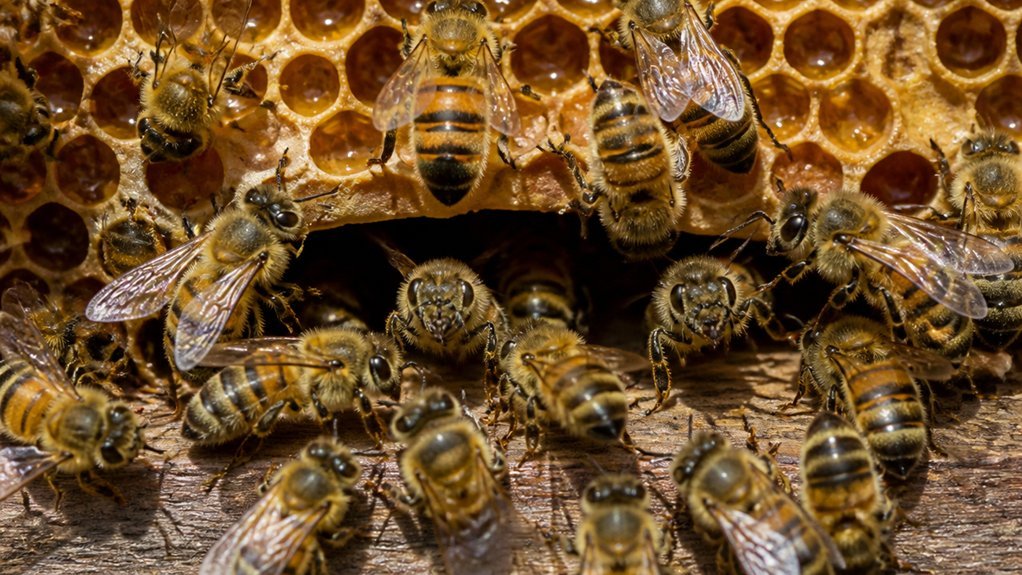
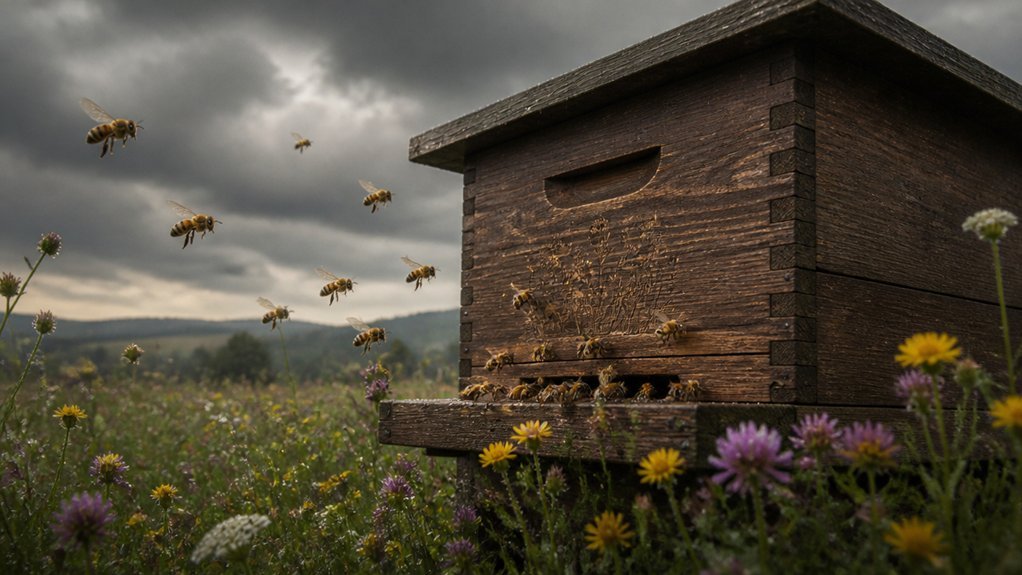
Although worker bees spend much of their time gathering resources, they also defend the hive with remarkable precision. You’ll see them guard the entrance, checking each intruder by scent and movement.
Worker bees guard the hive entrance, checking each visitor by scent and movement with remarkable precision.
If a threat appears, they raise alarm signals, alerting nearby sisters to join the defense. Some workers may sting to protect the colony, sacrificing themselves to stop a larger predator. Others fan their wings to spread warning odors and confuse attackers.
- They patrol the entrance and inspect returning bees.
- They release alarm pheromones when danger nears.
- They sting, swarm, or block access to drive intruders away.
This teamwork keeps brood, food stores, and the queen safer. You can think of these defenders as the hive’s frontline security, always ready to act fast and without hesitation.
Worker Bee Behavior by Season
As you watch worker bees through the year, you’ll see their jobs shift with the season.
In spring, they focus on foraging roles, in summer they handle busy hive duties, and in winter they cluster tightly to stay warm.
Spring Foraging Roles
When spring arrives, the hive shifts into high gear, and worker bees take on a surge of foraging duties to meet the colony’s growing needs. You’ll see them leave the hive in quick, focused trips, searching for fresh nectar, pollen, and water.
Their job is to support brood rearing and help the colony rebuild after winter.
- You scout blooming flowers and note reliable food sources.
- You gather pollen to feed young larvae and boost growth.
- You bring back nectar for energy and comb production.
Because spring weather changes fast, you must adapt quickly, choosing sunny windows and efficient routes. Each flight matters, and your work helps the hive expand with strength and momentum.
Summer Hive Duties
Summer brings peak activity, and you keep the hive running by balancing foraging with maintenance, cooling, and brood care. You gather nectar, pollen, water, and propolis, then return quickly to unload and help seal gaps or repair comb.
Inside, you feed larvae, clean cells, and remove debris so the nursery stays healthy. When temperatures rise, you fan your wings at the entrance and spread water to cool brood frames.
You also patrol the hive, guard stores, and relay scent signals that guide nestmates to rich blooms. Because summer colonies grow fast, you shift tasks as needed, moving from field work to interior jobs without pause.
Every duty supports steady honey production, strong brood development, and a well-ventilated hive through long, hot days.
Winter Cluster Behavior
Winter changes your work from rapid foraging to tight, energy-saving cluster behavior. You stay inside, helping the colony survive cold days by vibrating muscles to make heat and by shifting positions so every bee gets warmth.
The cluster tightens when temperatures drop and loosens when conditions improve, so you never waste energy.
- Keep the queen near the warm center.
- Feed on stored honey to fuel heat production.
- Rotate from the outer shell to the core to avoid chilling.
You also help seal drafts and reduce movement, because every unnecessary flight costs precious reserves. By working together in this living blanket, you and your sisters protect the hive until spring returns.
How to Tell Worker Bees Are Healthy
Healthy worker bees usually look active, alert, and purposeful. You’ll see them moving with confidence across comb, tending brood, cleaning cells, and bringing in nectar or pollen. Their bodies should look smooth and intact, with wings held neatly and legs working normally.
Healthy worker bees look active, alert, and purposeful, moving confidently across comb and tending the hive.
Healthy bees often respond quickly to hive disturbances, yet they don’t act frantic. You can also watch for steady foraging traffic at the entrance and regular grooming among nestmates.
Inside the hive, bees should cluster calmly around brood and stores, showing coordinated movement. Their color may vary by breed, but they should appear well-fed and alert.
If you notice consistent activity, orderly work, and good body condition, your colony is likely doing well.
When Worker Bee Behavior Goes Wrong
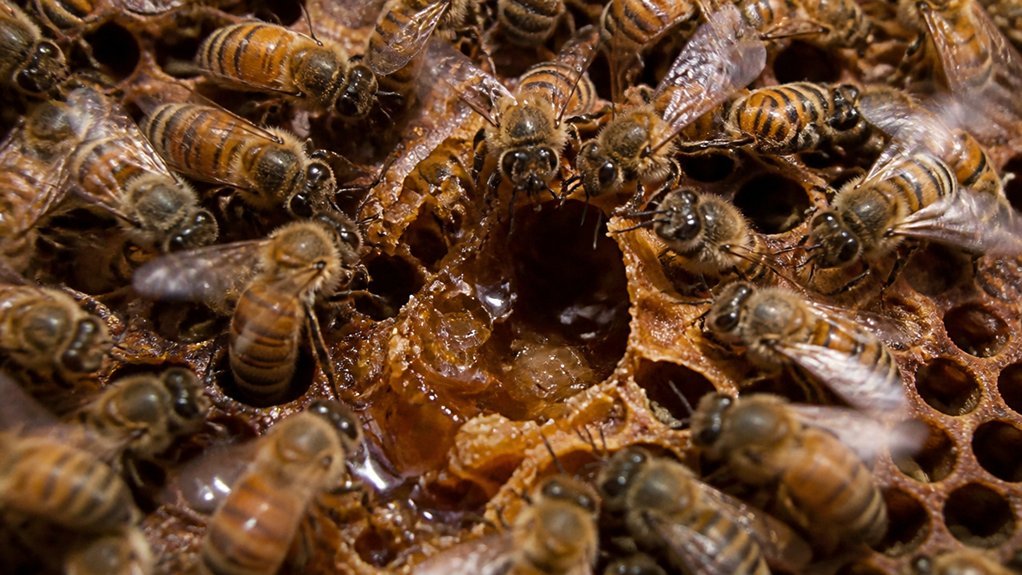
When worker bee behavior goes wrong, the hive often gives clear warning signs, and you’ll usually notice them in the way bees move, react, and interact. You may see workers crawling aimlessly, ignoring brood, or clustering outside the entrance. These shifts often point to stress, disease, or a failing queen. Act quickly, because small problems can spread fast.
- Check for mites, pests, and dead larvae.
- Watch for reduced foraging, poor grooming, or aggression.
- Inspect the queen’s presence and the brood pattern.
If you spot trouble, reduce disturbances, improve ventilation, and support the colony with proper nutrition. You can also consult an experienced beekeeper before the hive weakens further. Early action helps you protect the bees and restore normal behavior.
Frequently Asked Questions
How Many Worker Bees Live in a Typical Hive?
A typical hive usually has about 20,000 to 80,000 worker bees, and you’ll often see the number climb in peak season. You’ll notice fewer bees in winter, when the colony tightens up and conserves heat.
Do Worker Bees Ever Reproduce?
No, you won’t usually see worker bees reproduce; the queen does that job. If you spot workers laying eggs, they’re unfertilized drones only, and they can’t develop into normal female workers.
Why Do Worker Bees Dance to Communicate?
They dance to tell you where food is, how far away it’s, and which direction to fly. Their waggles share precise map-like clues, so you can quickly find nectar and pollen.
How Far Can Worker Bees Travel for Nectar?
You’ll usually see worker bees travel up to 3 miles for nectar, though they’ll go farther if needed. They’re efficient foragers, and you can expect them to choose the closest rich flowers first.
What Happens When a Worker Bee Stings?
When you get stung, the worker bee usually dies because its barbed stinger tears from its body. You’ll feel pain, swelling, and maybe itching as venom enters your skin and triggers inflammation.
In Summary
You can see that worker bees keep the colony running from the moment they emerge until the end of their lives. They clean, feed brood, build comb, guard the hive, and gather food as their bodies and needs change with age and season. When you understand their behavior, you can spot healthy activity and notice trouble early. In short, worker bees do the nonstop work that lets the whole hive survive and thrive.