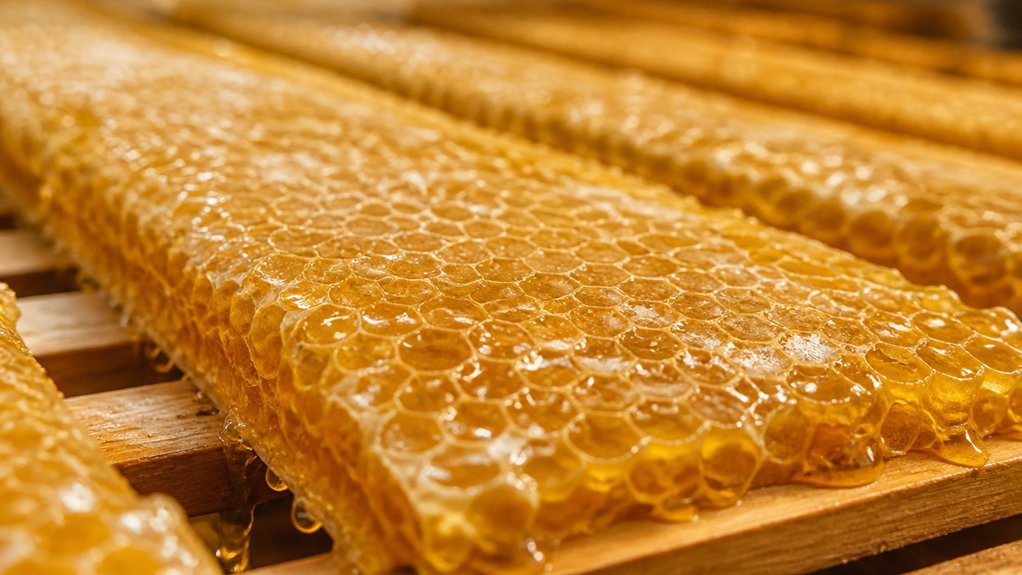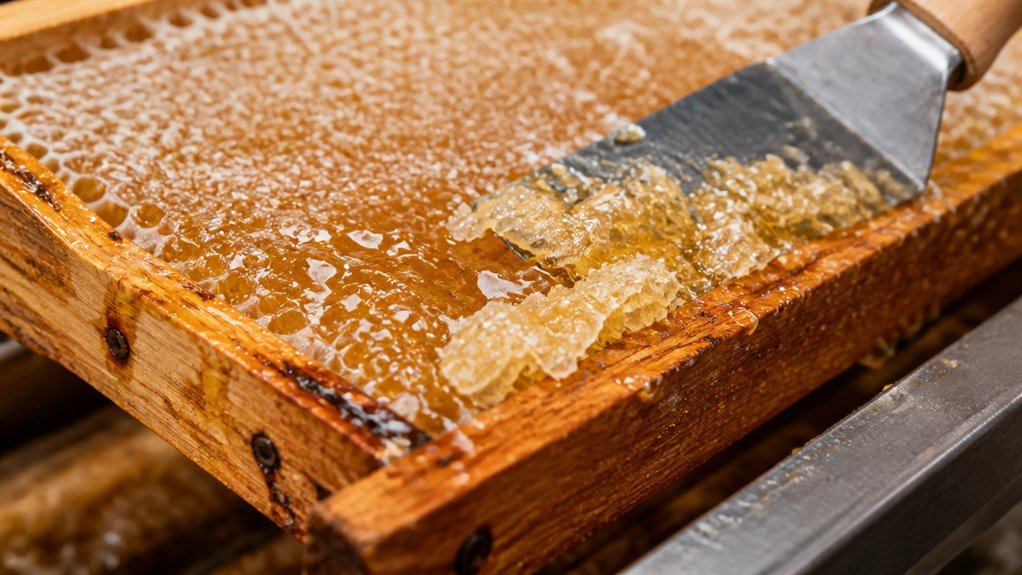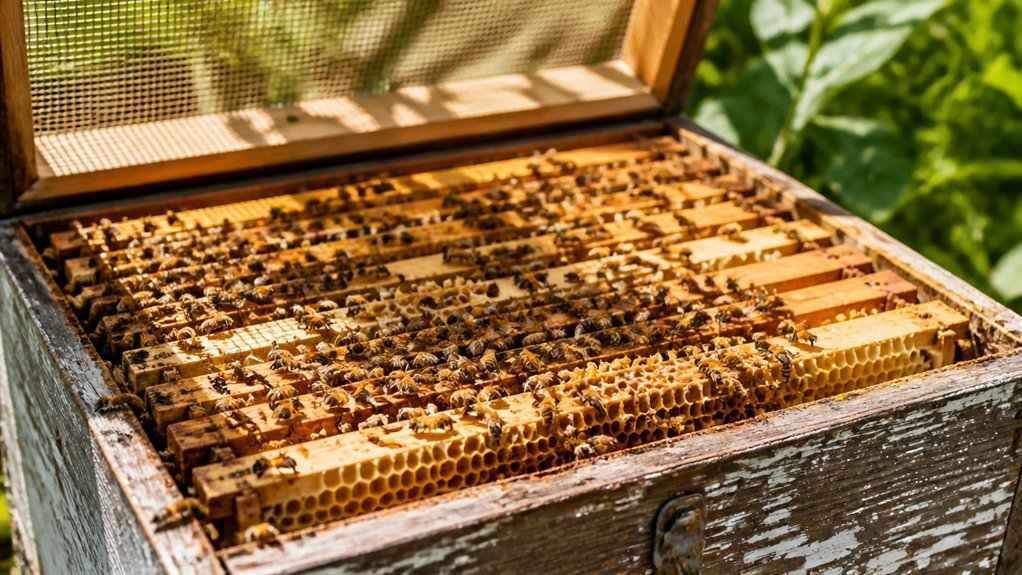
You maintain a bee setup to keep your colony healthy, productive, and easier to manage. Regular checks help you spot weak brood patterns, poor queen laying, pests, disease, and damaged comb before they spread. Good ventilation, steady feeding, clean water, and seasonal adjustments reduce stress and moisture. Keeping records helps you make smarter decisions and protect the hive through weather changes. If you keep going, you’ll see how each part of care works together.
What Every Healthy Hive Needs
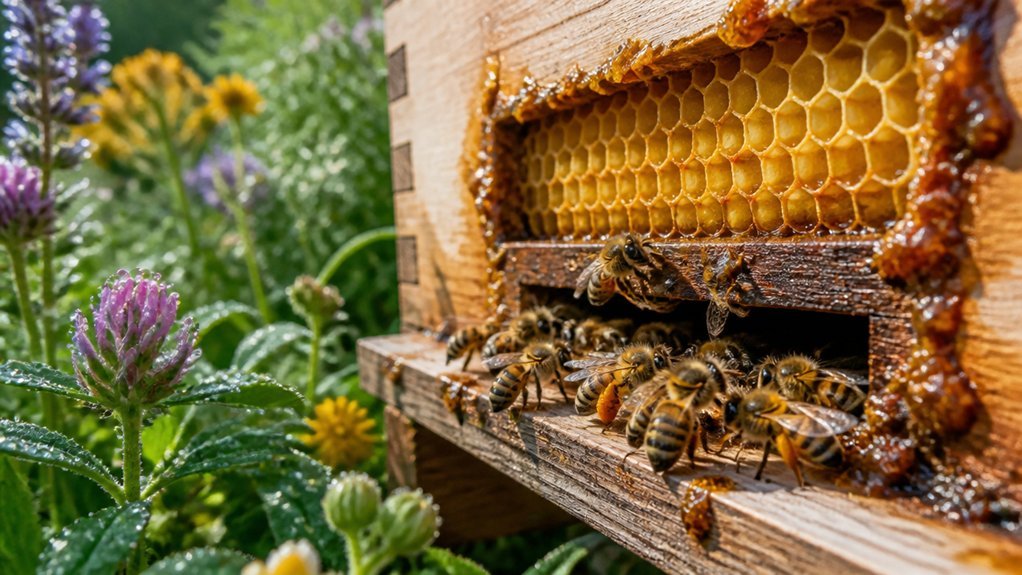
A healthy hive needs the right basics in place: a productive queen, enough workers, a steady food supply, clean comb, and good ventilation.
You’ll see the queen laying steadily when the colony is balanced, and your bees can raise brood without strain. You should keep enough drawn comb available so they can store nectar, pollen, and honey efficiently. Fresh water nearby helps them regulate temperature and mix brood food.
Good airflow reduces moisture buildup and helps the hive stay comfortable through heat and humidity. Strong forage around your apiary also supports daily activity and overall vigor.
Ensuring the use of sustainable wood and proper hive insulation can further promote the health and longevity of your colony.
When these essentials line up, your bees can focus on growth, defense, and production instead of struggling to survive.
Why Routine Hive Checks Matter
Even when your hive has the right basics, you still need to check it regularly to make sure those conditions hold up. Routine visits let you spot stress early, before small issues become losses. You can notice changing weather effects, food shortages, pests, or water problems while there’s still time to act. That steadiness gives your bees a calmer, safer environment and gives you confidence too. Ensuring proper entrance size and other adjustments can be crucial for hive security and health management.
Check Frames, Comb, and Brood Patterns
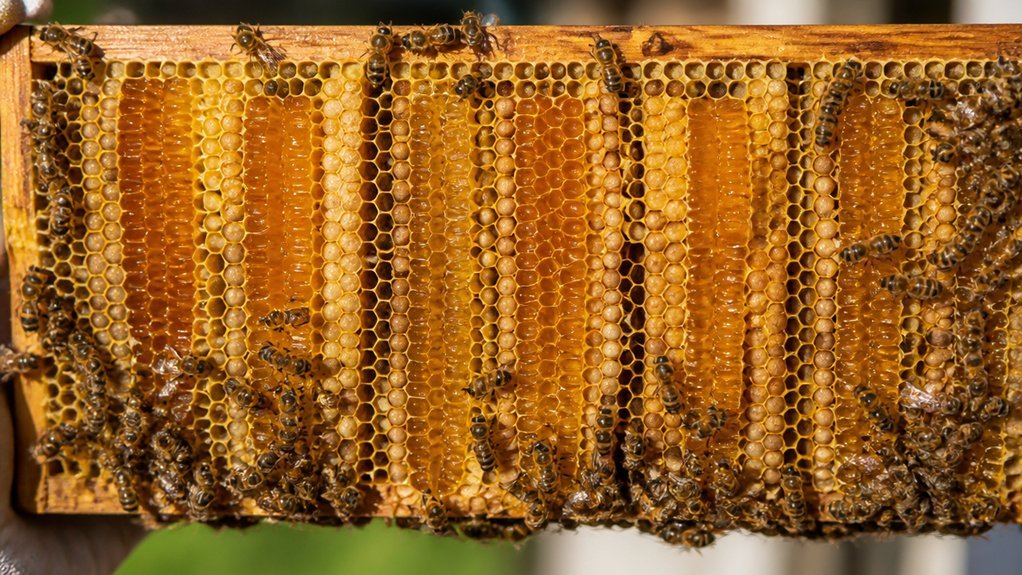
Lift each frame carefully and look for even comb, healthy brood, and signs that the queen’s laying pattern stays steady.
You should scan both sides of every frame for straight, well-built comb, since crooked or broken sections can signal congestion or disturbance.
Scan both sides of every frame for straight, well-built comb; crooked or broken sections may signal congestion or disturbance.
Check brood in all stages and note whether eggs, larvae, and capped cells appear in a tight, organized pattern. Spotty brood may mean the queen’s performance is slipping or the colony’s under stress.
Remove frames that are too old, damaged, or heavily propolized, and replace them when needed.
As you inspect, keep the frames in order so you don’t disrupt the nest layout.
This quick review helps you catch problems early and keeps the hive productive.
By ensuring the frames are properly assembled and compatible with your hive, you support the development of straight, solid comb and overall colony health.
How to Manage Ventilation and Moisture
Good ventilation helps your hive stay dry and reduces the risk of mold, mildew, and chilled brood. You can support that balance by keeping entrances clear, tilting the hive slightly forward, and using a cover that sheds rain without trapping damp air inside.
A properly fitted inner cover with effective ventilation openings can significantly enhance airflow and moisture control.
Watch for condensation on inner covers, especially during cool nights and wet seasons. If moisture builds up, you may need to improve airflow or reduce insulation.
- Open the entrance enough for steady air exchange.
- Prevent water from pooling under or above the hive.
- Check inside after storms and adjust as needed.
You should also avoid overcrowding the box, since a packed hive holds more humidity. When you manage airflow well, your bees stay drier, calmer, and better able to regulate brood temperature throughout the season.
Control Pests Before They Spread

You should check your bee setup often so you can spot pests early before they spread. Quick action helps stop colony damage and keeps the hive strong.
A varroa mite testing kit can aid in accurate detection, allowing timely intervention.
Spot Infestations Early
When you check your bee setup regularly, you can catch pests and infestations before they spread through the colony. Look closely at frames, corners, and entrances so you notice small changes fast. Early warnings often show up as odd debris, sluggish movement, or tiny intruders.
Use this simple routine:
- Inspect each hive part for unusual marks or buildup.
- Watch bee behavior for stress, crowding, or hesitation.
- Note anything that seems off, then revisit it soon.
- Consider using effective small hive beetle traps to monitor pest activity and prevent outbreaks.
You’ll spot patterns faster when you compare each visit with the last one. Quick checks help you act early and keep your bees easier to manage.
Consistent attention also makes your setup more predictable, so problems don’t get a chance to grow unnoticed.
Stop Colony Damage
Stopping pests early helps protect the whole colony from serious damage, because a small problem can turn into a full takeover fast. You should inspect frames, boxes, and entrances often, then act the moment you spot mites, beetles, or wax moths.
Remove infested comb, clean debris, and tighten weak spots so pests can’t hide or breed. Keep feed stored securely, reduce leftover syrup, and avoid leaving sticky spills that attract invaders. When you maintain strong hive conditions, you help bees defend their space and recover faster from pressure.
Quick control also saves your equipment, since pests can chew wood, ruin comb, and force costly replacements. By staying alert and responding early, you reduce colony stress and keep your setup productive and stable throughout the season. Ensuring proper Varroa mite management plays a critical role in total colony health.
Limit Disease Spread
Keeping pests under control helps limit disease spread because many invaders carry pathogens or weaken bees enough for illness to take hold. You protect your colony when you inspect often and act fast. Regularly monitoring with oxalic acid vaporization can effectively reduce mite populations, preventing infestations from worsening.
A clean setup lets you spot trouble before it moves through the hive. Use these steps:
- Check frames, comb, and entrances for mites, beetles, and wax moths.
- Remove damaged comb and debris so pests can’t hide or multiply.
- Treat infestations quickly, then monitor again to confirm the problem’s gone.
When you stay ahead of pests, you reduce stress, cut transmission, and support stronger immune defenses. Your bees can then focus on brood care, foraging, and honey production instead of fighting sickness.
Keep Feeding and Watering on Track
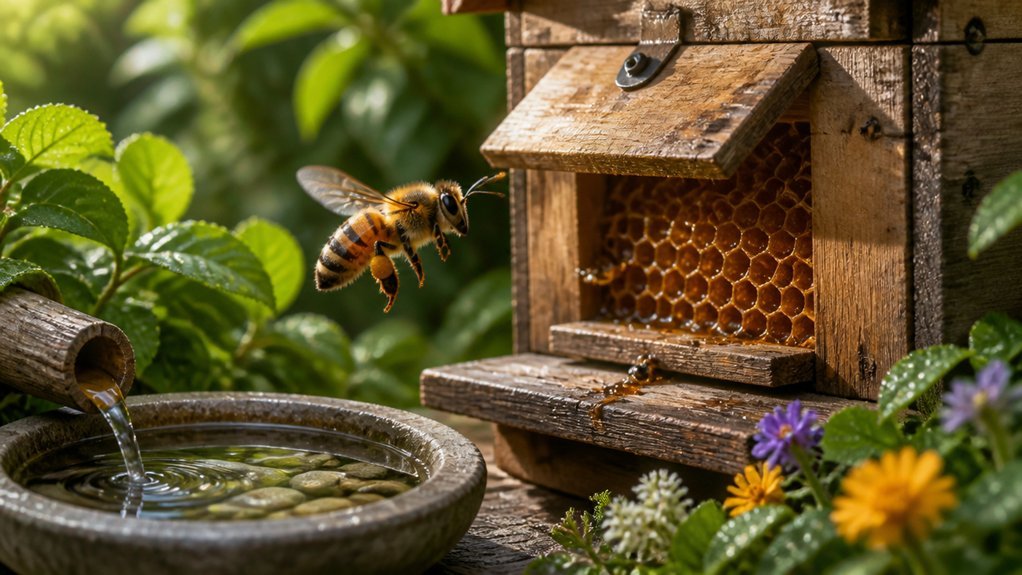
You should check feeders and water sources on a regular schedule so your bees always have what they need.
Keep a reliable water supply close by, and adjust feed as seasons change. Small, consistent checks help you catch shortages before they affect the colony.
Pay attention to water evaporation rates to ensure the water remains available and cool for your bees.
Routine Feed Checks
Even a healthy hive needs regular attention, and feed checks help you catch problems before they slow colony growth. You should inspect your setup on a steady schedule so you know when supplies run low and when bees aren’t using them well. Keep notes so you can spot patterns and adjust quickly.
- Check feeders for remaining syrup or supplements.
- Look for leaks, clogs, or signs of spoilage.
- Refill only what the colony can use soon.
When you stay consistent, you reduce stress and avoid sudden shortages. You’ll also notice how weather, brood rearing, and seasonal changes affect consumption.
A quick routine lets you correct issues early, keep feeding efficient, and support steady hive progress without unnecessary disruption.
Reliable Water Sources
A steady supply helps you support foraging, brood care, and temperature control without extra stress on the colony. You should place shallow containers near the hive and add floating materials so bees can land safely.
Using durable, impact-resistant materials for feeders can help prevent leaks and spills, ensuring a cleaner and more efficient feeding process.
Refresh the water often so it stays clean and inviting, and keep the source close enough that bees don’t waste energy searching elsewhere. When you check feed, also confirm that water hasn’t dried up, spilled, or turned stagnant.
A balanced water supply also aids in robbery prevention, reducing the risk of attractant spills that might draw in outside bees.
A steady supply helps you support foraging, brood care, and temperature control without extra stress on the colony. If you use multiple hives, give each one easy access so weaker colonies don’t get pushed out.
Consistent watering keeps your setup balanced, practical, and ready for daily use.
Seasonal Supply Adjustments
As the seasons shift, adjust your feeding and watering routine to match the colony’s changing needs. In spring, you’ll often need light syrup and steady water as brood rearing picks up.
In summer, watch for heat and nectar flow; you may need to refill feeders less, but you should keep water nearby.
In fall, help bees build stores before cold weather arrives. In winter, only feed if inspections show a shortage.
- Check feed levels weekly.
- Refill water before it runs low.
- Reduce or pause feeding when natural forage returns.
Spot Disease and Queen Issues Early

By keeping a close eye on your hive, you can catch disease and queen problems before they spread or weaken the colony. Watch for brood with spotty patterns, odd odors, lethargic bees, or a sudden drop in activity.
Check for pests, deformed wings, or uncapped larvae that look off. If your queen isn’t laying well, you’ll notice fewer eggs, patchy brood, and restless workers.
When you inspect frames regularly, you can act fast with treatment, requeening, or removal of infected comb. Quick response helps you protect honey production and keep your bees strong.
Careful observation also lets you compare normal behavior with warning signs, so you don’t miss subtle changes. A healthy, balanced hive starts with your attention and timely intervention.
Adjust Hive Care Through the Seasons
Seasonal changes shape how your hive needs care, so adjust your approach as temperatures, forage, and colony activity shift. In spring, open the entrance, inspect stores, and let the colony expand. In summer, provide shade and water, and watch for heat stress. In fall, reduce space, check food levels, and prepare for colder nights.
- Give enough ventilation without creating drafts.
- Match feeding to natural nectar flow and brood demand.
- Protect the hive from wind, rain, and sudden cold snaps.
You’ll keep your bees steadier when you respond to seasonal pressure instead of forcing one routine all year. By tuning care to the weather, you help the colony stay productive, conserve energy, and enter each season ready for the next challenge.
Record Hive Changes for Better Decisions
Keeping notes on hive changes helps you make better decisions because small shifts are easier to spot when you compare them over time. You can track brood pattern, honey stores, mite levels, queen behavior, and weather effects after each inspection.
Keeping notes on hive changes helps you spot small shifts and make better decisions over time.
When you record dates and details, you avoid guessing and can respond faster to stress, swarm signs, or food shortages. Your notes also help you compare one season with the next, so you’ll know what worked and what didn’t.
Use a notebook, app, or hive log, but keep it simple and consistent. Clear records let you plan treatments, feeding, and splits with confidence.
Over time, those small entries turn into a reliable guide that sharpens every management choice you make.
Frequently Asked Questions
How Do I Choose the Best Location for a Bee Setup?
Choose a sunny, sheltered spot with morning light, nearby flowers, and reliable water. You’ll want level ground, dry soil, and little foot traffic. Face the entrance away from strong winds and avoid pesticides, predators, and disturbances.
What Protective Gear Should Beginners Use Around Bees?
You should wear a veil, gloves, long sleeves, long pants, and closed-toe boots. Use light-colored, smooth fabric, and secure cuffs. You’ll protect yourself, stay calm, and handle bees more confidently.
How Often Should I Replace Old Hive Equipment?
You should replace old hive equipment as needed, usually every few years. Inspect boxes, frames, and foundations each season, and swap anything cracked, moldy, warped, or heavily propolized before it harms your bees.
Can a Bee Setup Support Local Pollination Needs?
Yes, your bee setup can support local pollination if you keep strong colonies nearby. You’ll boost garden and crop yields, but you can’t replace wild pollinators, so manage habitat too.
What Legal Permits Are Needed for Backyard Beekeeping?
You’ll usually need no permit, but you should check city, county, and HOA rules, plus register hives where required. Some places demand zoning approval, inspections, or liability coverage before you keep bees.
In Summary
Keeping your bee setup healthy pays off in stronger colonies, better honey production, and fewer losses. When you check frames, manage moisture, watch for pests, and stay on top of feeding and disease, you give your bees the best chance to thrive. Small, regular actions make a big difference, especially as the seasons change. Keep good records, stay alert, and you’ll make smarter choices that support a productive hive year after year.