
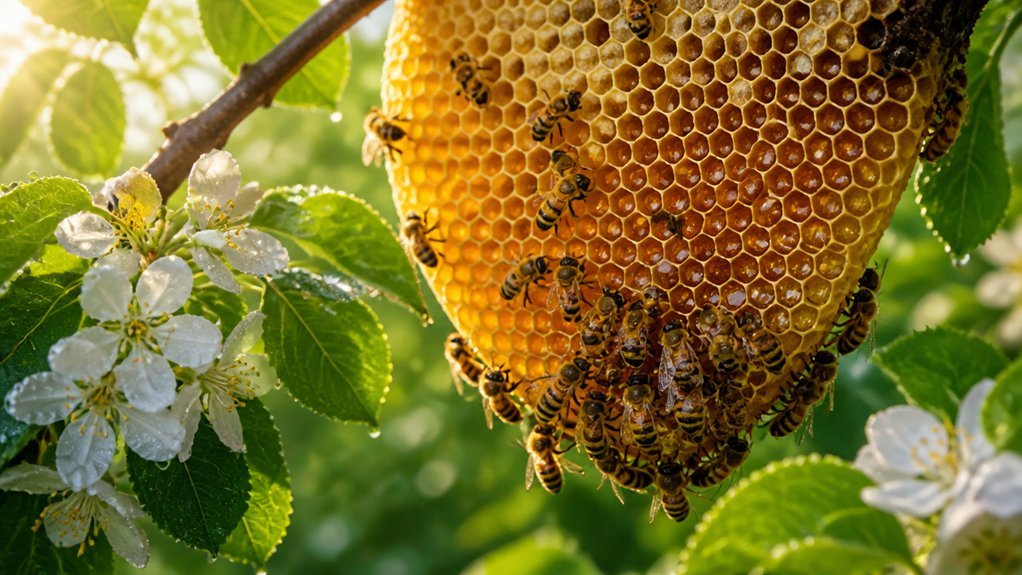
Inspect your hive five key times: early spring to check brood, eggs, and food stores; on a calm, windless day for a careful general inspection; in early summer to prevent swarming by checking for crowding and queen cells; during late summer honey flow to confirm brood and storage; and in fall to verify honey reserves and winter readiness. Each visit helps you catch issues early and keep colonies strong, healthy, and productive as the season changes.
Spring Hive Inspection Checklist
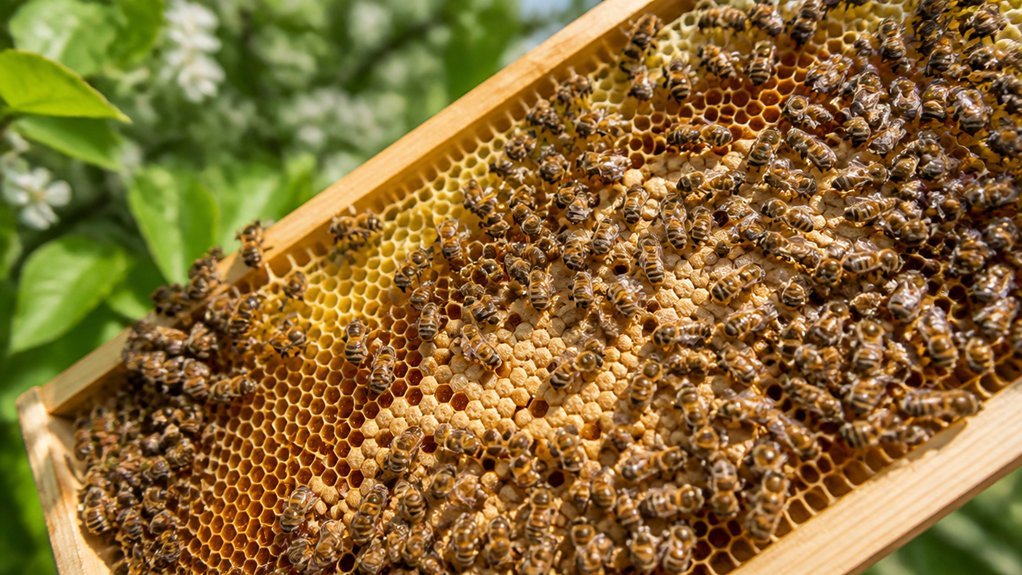
As spring warms the hive, you should inspect it early and thoroughly so you can catch problems before the colony expands. Check colony strength by noting brood pattern, bee coverage, and egg presence. Look for a healthy queen’s evidence, including fresh larvae and even laying. Confirm the hive has enough food stores, and add frames or feed only if shortages appear. Remove dead bees, debris, and excess moisture from the bottom board. Examine comb for mold, pests, and damage, and replace any failing frames. Make sure ventilation works and the entrance stays clear. Proper hive construction supports overall hive health and easier management. Watch for swarm cells, but don’t disturb the bees more than needed. Record your findings so you can track changes and act quickly if conditions worsen.
How To Inspect A Hive In Calm Weather?
Calm, dry weather gives you the best chance to inspect a hive without stirring up the colony. Choose a bright, windless day when bees are flying steadily, then suit up and approach from the side.
Light your smoker, use only a few gentle puffs at the entrance, and wait a moment before opening the lid. Work slowly, lifting each frame just enough to see comb, brood, and stores. Keep the hive covered as much as you can, and avoid jostling frames or crushing bees.
Using the proper hive tool can make prying apart frames easier and safer, reducing stress on the colony and minimizing damage to the comb.
If you need to move deeper, replace each frame in the same order before inspecting the next. Watch the bees’ behavior; if they start rushing or buzzing harder, close the hive and step back.
Finish neatly, restore the cover, and leave them settled.
Early Summer Checks To Prevent Swarming
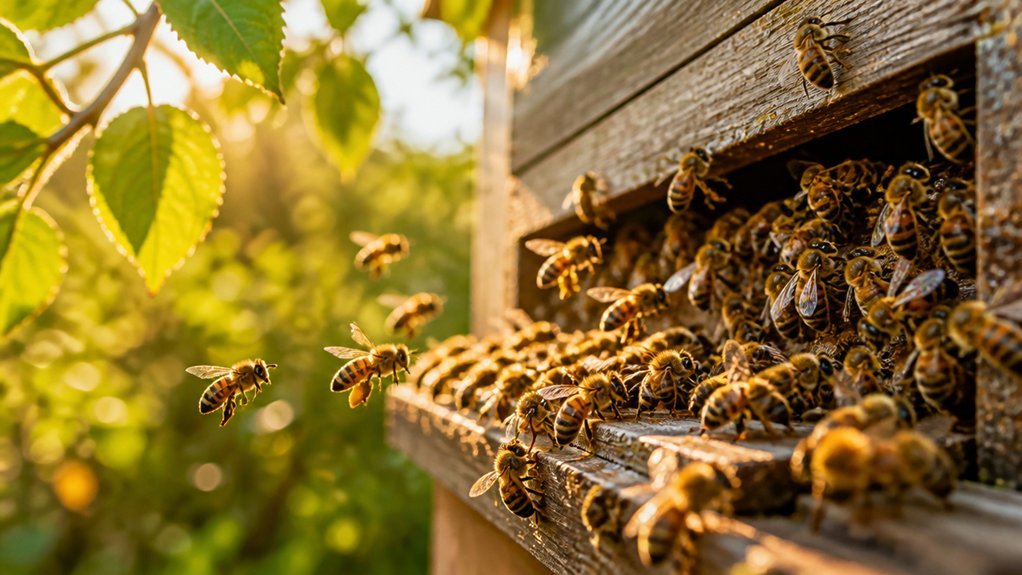
Early summer is the critical time to check for swarm signs, because fast-growing colonies can outgrow their space in just a few weeks. You should open the hive on a warm, calm day and look for crowded frames, queen cells, and bees hanging in clusters.
A well-designed observation hive can make these inspections easier and less disruptive, allowing for quick assessments. If the brood nest feels packed, add space by placing another box or rearranging comb to give the queen room to lay. You can also remove excess drones or split a strong colony before it swarms. Keep an eye on the queen’s laying pattern, since a drop in eggs often signals trouble.
Inspect every week during rapid buildup, and act quickly when you spot early warning signs. A few careful checks now can save you bees, time, and lost honey later.
Late Summer Hive Checks During Honey Flow
By late summer, your hive’s needs shift from crowd control to honey management, so inspect with a lighter touch and a clear purpose. Open the hive only when weather stays warm and nectar still flows.
You’re looking for steady brood, capped honey, and enough room for storage without disrupting foragers. Check that frames are filling evenly and that the queen’s pattern still looks solid.
Keep your visit brief and calm.
- Lift the outer cover and note traffic at the entrance.
- Scan upper boxes for fresh white comb and capped honey.
- Confirm the brood nest remains compact and healthy.
- Replace frames carefully, then close the hive quickly.
Avoid tearing apart every box; you just need a snapshot. If stores build fast, let the bees finish their work and keep collecting. Proper hive sizing can support better honey storage and colony health during this busy period.
Fall Hive Inspection Before Winter Prep
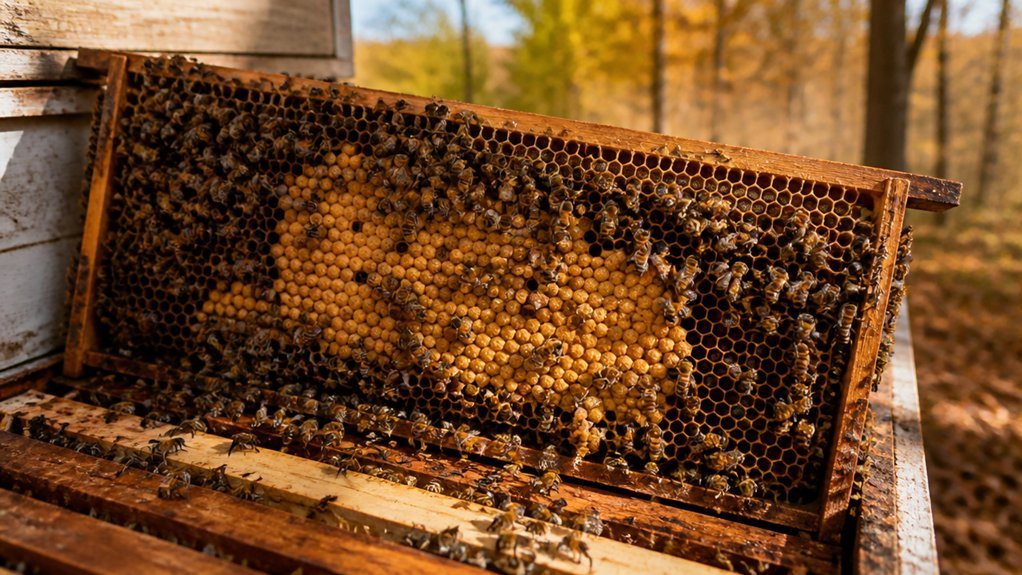
As fall settles in, you need to make one careful inspection before winter prep begins. Check brood patterns, queen presence, and food stores so you can spot problems before cold weather locks the hive down. You should verify that frames hold enough capped honey, because a weak colony may starve in late winter.
Remove damaged comb, reduce excess space, and tighten the hive so bees can conserve heat. Watch for mites, mold, and signs of disease, then treat only if needed.
Make sure entrance reducers and mouse guards fit properly, and confirm that the hive stands level and drains well. This visit helps you correct issues while daytime temperatures still let bees move, feed, and regroup safely. Screened bottom boards can also be checked during this time to help improve airflow and mite management before winter fully sets in.
Frequently Asked Questions
How Often Should I Inspect a Hive Overall?
You should inspect your hive every 7 to 10 days during active season, then every 2 to 4 weeks in cooler months. Watch brood, food, pests, and queen health without disturbing them too often.
What Tools Are Best for Bee Inspections?
You’ll want a hive tool, smoker, bee brush, and veil. Use gloves if needed. A frame grip helps, too. These tools let you inspect safely, lift frames, calm bees, and avoid crushing them.
Can Inspections Stress the Queen?
Yes, you can stress the queen if you inspect too long or too roughly. You’ll minimize that by moving calmly, keeping inspections brief, and avoiding repeated frame handling near her.
Should I Inspect at Dawn or Dusk?
You shouldn’t inspect at dawn or dusk; you’ll disturb foragers returning or leaving, and cooler, dimmer conditions make handling harder. Inspect mid-morning on a warm, calm day instead, when most bees are out.
How Do I Record Hive Inspection Notes?
You’ll record hive inspection notes in a dedicated log, noting date, weather, brood pattern, queen status, stores, pests, and any actions. Use clear shorthand, then review trends so you can spot problems early.
In Summary
Knowing the best times for bee inspection helps you keep your colony healthy and productive. In spring, you can spot problems early and build strong hives. During calm weather, you’ll inspect with less stress on the bees. In early summer, you’ll reduce swarming risks, and in late summer, you’ll track honey flow. Before winter, a final fall check helps your bees stay prepared and safe.



